What is Mumyoi Yaki? Complete Explanation of the History, Characteristics, and Kilns of a Traditional Ceramic Producing Region in Sado, Niigata Prefecture
Mumyoi yaki (無名異焼), born in Sado City, Niigata Prefecture, is ceramic ware made from unique red clay produced by the Sado Gold and Silver Mine. In October 2024, it was designated as a national traditional craft, marking the first designation in Sado City and the first in Niigata Prefecture in 15 years. This article comprehensively explains the appeal of this traditional craft, from the history of mumyoi yaki to its manufacturing techniques, characteristics of the producing region, and major kilns.
Basic Knowledge of Mumyoi Yaki
What is Mumyoi?
Mumyoi (無名異) is a red mineral containing large amounts of iron oxide that deposits in the quartz rock fractures within the Sado Gold and Silver Mine. The origin of the name “mumyoi” is said to derive from the fact that it was unnamed (“nameless”) despite its excellent efficacy, and the term “unnamed” eventually became “mumyoi.”
During the Edo period, mumyoi was known for its various medicinal properties, including hemostasis, treatment of stroke (cerebrovascular disease), gastrointestinal ailments, and burns. Records remain indicating that miners working inside the Sado gold mine valued it as a hemostatic agent for injuries.
Definition and Characteristics of Mumyoi Yaki
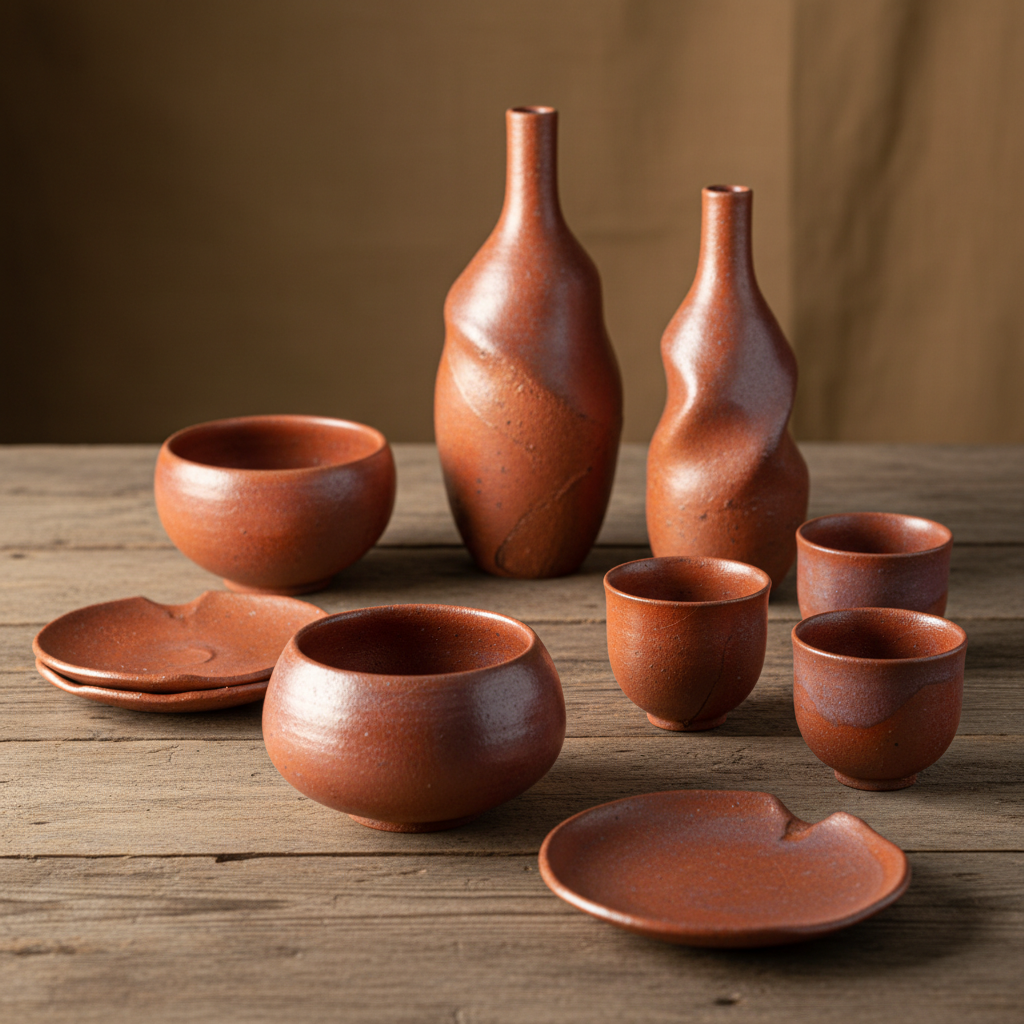
Mumyoi yaki is made by combining mumyoi clay (red clay containing large amounts of iron oxide) as the primary ceramic clay with sawane clay and other materials, then firing at high temperatures. Because it is fired at higher temperatures than ordinary pottery (approximately 1250 degrees Celsius or higher), it becomes an extremely hard and dense ceramic ware.
The main characteristics of mumyoi yaki are as follows:
- High hardness: The fired product is extremely hard and produces a clear metallic ring when struck
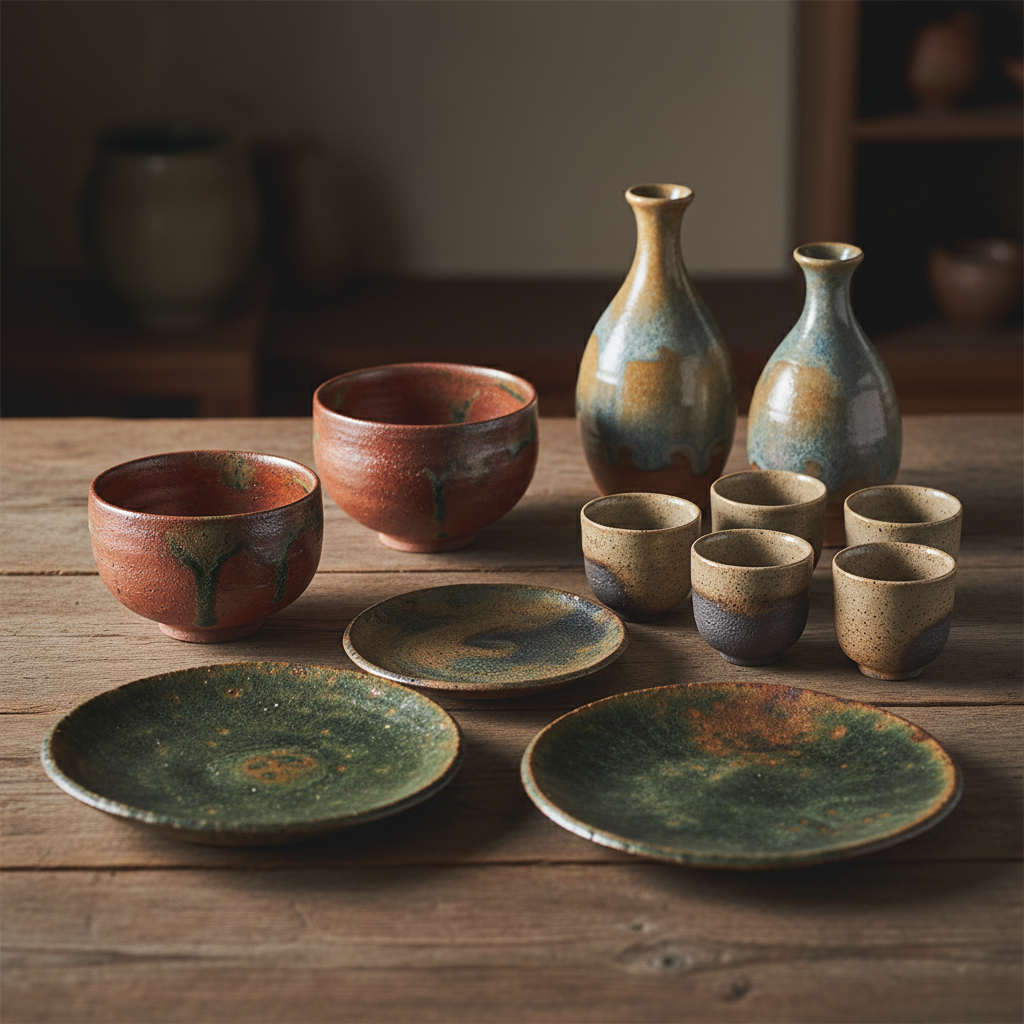
- Distinctive coloration: Deep reddish-brown to dark brown tones created by iron oxide
- Increasing luster with use: The surface is polished through use, developing increasingly beautiful luster
- Low water absorption: High-temperature firing creates a dense structure with low water absorption rate
History of Mumyoi Yaki
Origins in the Edo Period
The history of mumyoi yaki dates back to 1819 (Bunsei 2). It is said to have begun when Jimpei Ito, a potter of Sado, manufactured raku ware using mumyoi clay produced from within the Sado gold mine.
In the mid-Edo period before this, glazed ceramics were actively produced, encouraged by Sado magistrates. However, the manufacturing of ceramics utilizing the unique raw material of mumyoi clay is credited to Jimpei Ito.
Development from the Modern Period to Present
From the Meiji period onward, mumyoi yaki developed as a local industry of Sado. Multiple kilns were established, primarily in the Aikawa district, each pursuing independent techniques and artistic styles.
From the late Showa period onward, under the influence of ceramic artists known as Living National Treasures, mumyoi yaki developed its own distinctive techniques. In particular, advanced techniques such as kiln-transformation (youhen) and clay-mixture (neriage) methods were developed.
In October 2024, Sado mumyoi yaki was designated as a national traditional craft. This marked the first designation in Sado City and the first in Niigata Prefecture in 15 years, officially recognizing traditional techniques with a history of over 200 years.
Manufacturing Techniques of Mumyoi Yaki
Collection and Blending of Raw Materials
The manufacture of mumyoi yaki begins with the extraction of mumyoi clay, the primary raw material. Mumyoi clay produced from within the Sado gold mine is a red mineral rich in iron oxide, which is pulverized and used as ceramic clay.
Since mumyoi clay alone lacks sufficient plasticity, it is blended with Sawane clay and other materials. This blending ratio is a closely guarded secret of each kiln and is an important factor determining the characteristics of the finished work.
Forming and Raw Polishing
The blended ceramic clay is formed using techniques such as the potter’s wheel or hand-forming. One distinctive process in mumyoi yaki is “raw polishing.” This is the careful polishing of the surface while the clay is still in a leather-hard state before firing. This raw polishing creates the foundation for the beautiful luster that appears after firing.
High-Temperature Firing
Formed and dried pieces are fired at high temperatures of approximately 1250 degrees Celsius or higher. In contrast to ordinary pottery, which is typically fired at 1100-1200 degrees, mumyoi yaki is fired at even higher temperatures. This high-temperature firing creates an extremely hard and dense structure, producing ceramic ware that emits a distinctive metallic sound.
Sand Polishing
After firing, a special process called “sand polishing” is performed. This is the careful polishing of the surface of the fired piece with sand, creating the distinctive smooth texture and luster unique to mumyoi yaki. This sand polishing requires skilled technique and is a crucial process that determines the final finish of the piece.
Techniques of Mumyoi Yaki
Kiln-Transformation Technique
Kiln-transformation (youhen) is a phenomenon where the glaze or clay body undergoes unexpected changes due to flame conditions and temperature fluctuations during firing, creating distinctive colors and patterns. In mumyoi yaki, techniques have developed to intentionally control this kiln-transformation.
The kiln-transformation accompanied by darkening is particularly characteristic of mumyoi yaki. The iron oxide-containing mumyoi clay changes to dark brown through reduction firing, producing deep-toned coloration.
Clay-Mixture Technique
Clay-mixture (neriage) is a technique that creates distinctive patterns by layering or blending clays of different colors. In mumyoi yaki, combining the reddish-brown of mumyoi clay with other clays enables diverse expressions such as wood-grain patterns and geometric designs.
This technique requires highly skilled craftsmanship, with careful attention needed to matching clay shrinkage rates and preventing cracking during firing.
Glaze Formulation
While unglazed mumyoi yaki has traditionally been the mainstream, contemporary works using various glazes are also produced. Glazes formulated from wood ash collected from Sado’s natural environment and other unique glazes utilizing local materials are being developed.
To pursue the beauty of kiln-transformation, various glazes including iron-rich glazes and tenmoku glazes are being researched. Advanced techniques such as oil-spot tenmoku and leaf-patterned tenmoku tea bowls are also being produced.
Characteristics of Sado City, Niigata Prefecture as a Producing Region
Relationship with the Sado Gold and Silver Mine
Sado City, Niigata Prefecture, the producing region of mumyoi yaki, is known for the Sado gold and silver mine continuing from the Edo period. In 2024, there are movements to register the “gold mine of Sado Island” as a UNESCO World Heritage Site, which is drawing international attention.
Mumyoi yaki has an inseparable relationship with this Sado gold and silver mine. The mumyoi clay that serves as its raw material is produced from within and around the mine, and was also used as medicine by those working in the mine. The history and culture of the gold mine gave birth to mumyoi yaki, this unique ceramic ware.
Distribution of Kilns Centered in the Aikawa District
The kilns producing mumyoi yaki are primarily distributed in the Aikawa district of Sado City. Aikawa is where the Sado magistrate’s office was located during the Edo period and has a history of flourishing as the center of gold mining activity.
Today, multiple kilns continue to exist around the Aikawa district, each pursuing independent artistic styles while preserving tradition. Some kilns accept ceramic art experiences, allowing tourists to actually participate in the production of mumyoi yaki.
Nature and Culture of Sado
Sado Island is an island floating in the Sea of Japan with a distinctive natural environment and culture. It is also known as the habitat of crested ibis, with abundant remaining natural landscapes.
The nature of Sado influences the production of mumyoi yaki. The timber used in wood-ash glazes and the plants and animals that become motifs for works are sources of inspiration for ceramic artists.
Major Kilns and Ceramic Artists
Gyokudō Kiln
Gyokudō Kiln is one of the kilns representing mumyoi yaki. Located in Kubota, Sado City, it preserves traditional mumyoi yaki techniques while producing contemporary works as well.
At Gyokudō Kiln, in addition to traditional artistic styles, pieces are produced using glazes formulated from wood ash collected from Sado’s natural environment, pursuing the beauty of kiln-transformation. The kiln offers a wide range of products from everyday vessels such as mugs, sake cups, and bowls to works of art.
A ceramic art experience hall and shop are also located on the premises, allowing visitors to actually experience mumyoi yaki production (*please confirm the reception period in advance). The kiln also sells products through online shops.
Other Kilns
Multiple kilns besides Gyokudō Kiln exist throughout Sado City, each with its own distinctive techniques and artistic styles. The tradition of mumyoi yaki is being handed down across generations, from ceramic artists with living-national-treasure-level skills to young ceramic artists.
Each kiln produces diverse works, from traditional tea ware and flower vessels to tableware suited to contemporary living and interior art pieces.
Works and Uses of Mumyoi Yaki
Tea Ceremony Ware
Mumyoi yaki is highly valued as tea ceremony ware. In particular, tea bowls are favored by tea practitioners for their distinctive texture and coloration, and the luster that increases with use.
Tenmoku tea bowls are one of the representative works of mumyoi yaki. Works requiring advanced techniques such as oil-spot tenmoku and leaf-patterned tenmoku are produced and attract attention from collectors and tea ceremony enthusiasts.
Sake Vessels
Sake cups, sake bottles, and other sake vessels are popular mumyoi yaki products. The hard, fire-hardened mumyoi yaki is said to enhance the flavor of Japanese sake. The property of increasing luster with use makes it suitable for long-term use as sake ware.
Sado is also known as a sake-producing region, and enjoying local sake paired with mumyoi yaki vessels allows comprehensive appreciation of Sado’s culture.
Everyday Tableware
Abundant everyday tableware is produced, including mugs, tea cups, bowls, and plates. Mumyoi yaki tableware increases in character with use, making it suitable for long-term use.
The low water absorption rate is a characteristic feature, as it prevents stains such as tea marks from adhering easily, offering high practicality.
Flower Vessels and Interior Pieces
Flower vessels, jars, and other interior works are also produced. The distinctive reddish-brown to dark brown coloration unique to mumyoi yaki harmonizes with both Japanese and Western-style rooms, bringing tranquility to a space.
How to Purchase Mumyoi Yaki
Direct Purchase at Kilns
Works can be purchased directly at kilns within Sado City. By visiting a kiln, you can speak directly with ceramic artists and view the production site (*prior contact recommended).
Major kilns including Gyokudō Kiln have shops attached where various pieces can be examined and selected in person.
Online Shops
In recent years, many kilns have established online shops, making mumyoi yaki available for purchase from anywhere in the country. While viewing product photographs and detailed descriptions, you can select pieces from the comfort of your home.
Craft Shops and Department Stores
Craft shops and department stores in Niigata Prefecture may also carry mumyoi yaki. Additionally, pieces can often be purchased at specialty shops throughout the country handling traditional crafts.
Mumyoi Yaki Experiences and Tourism
Ceramic Art Experience
Some kilns within Sado City accept ceramic art experiences. You can experience creating pieces using mumyoi clay through techniques such as wheel-throwing or hand-forming.
Pieces created during the experience can be fired at the kiln and sent to your home afterward. Mumyoi yaki you create yourself becomes a particularly special keepsake.
*Please note that the availability of ceramic art experiences varies by kiln and may be suspended during certain periods, so advance confirmation is recommended.
Combining with Sado Tourism
Visiting mumyoi yaki kilns can be enjoyed as part of Sado tourism. Sado has many tourist attractions including viewing historic sites of the Sado gold mine, visiting Toki Forest Park, and experiencing tarai-bune boats.
By comprehensively experiencing the nature, history, and culture of Sado, your understanding of mumyoi yaki will deepen further.
Care and Use of Mumyoi Yaki
Initial Treatment
When beginning to use new mumyoi yaki, it is recommended to first soak it in water for thorough absorption. Subsequently, boiling it in rice-washing water is effective as a sealing treatment, making it resistant to staining.
Daily Care
After use, wash with neutral detergent and dry thoroughly. Since mumyoi yaki has low water absorption, care is relatively simple, but avoid leaving it submerged in water for extended periods.
To take advantage of the property of increasing luster with use, wiping with a soft cloth brings out increasingly beautiful shine.
Storage
Store away from direct sunlight in a well-ventilated location. When stacking pieces, place cloth or paper between them to prevent scratching.
Contemporary Development of Mumyoi Yaki
Significance of National Traditional Craft Designation
The October 2024 designation as a national traditional craft marks a major turning point for mumyoi yaki. This designation enables the receipt of national support, and is expected to accelerate successor development, technical preservation, and sales channel expansion.
The designation marks the first in Sado City and the first in Niigata Prefecture in 15 years, enhancing its value as both a source of regional pride and as a tourism resource.
Activities of Young Ceramic Artists
In recent years, Sado has seen the relocation and new entry of young ceramic artists. Vigorous movement is occurring among those learning traditional techniques while incorporating contemporary design and applications into their creations.
Initiatives suited to the modern era are progressing, including information dissemination using social media and expanded online sales.
International Evaluation
As a traditional Japanese craft, mumyoi yaki is drawing attention from overseas. It receives particularly high evaluation from foreign collectors interested in tea ceremony culture and those who appreciate Japanese craftsmanship.
Coupled with efforts toward UNESCO World Heritage designation of the Sado gold mine, increased international recognition is expected.
Conclusion
Mumyoi yaki from Sado City, Niigata Prefecture, with a history spanning over 200 years, is a rare ceramic ware in Japan made from unique mumyoi clay produced by the Sado gold and silver mine. It possesses numerous attractions including high hardness from high-temperature firing, increasing luster with use, and distinctive coloration.
With the 2024 designation as a traditional craft, further development of mumyoi yaki is anticipated. When visiting Sado, by all means visit the kilns to experience this traditional craft and beauty. You are sure to find a piece that will accompany your life, from everyday vessels to works of art.
Mumyoi yaki is a craft in which the nature, history, and culture of Sado are concentrated. By long-term use while appreciating the skill and thoughts of ceramic artists embedded in each piece, you will come to truly appreciate its value.