What is Otaru Ware? A Thorough Explanation of the History and Characteristics of Hokkaido’s Representative Ceramics
When discussing the ceramic culture of Hokkaido, “Otaru Ware” is indispensable. With a relatively new history compared to other Japanese ceramic production centers, Otaru Ware has become known throughout the country for its unique beauty. This article provides a detailed explanation of its history, characteristics, and current status.
The History of Otaru Ware: The Story of Hokkaido Ceramics Beginning in the Meiji Era
The Birth of Otaru Ware and Shirase Shinji
The history of Otaru Ware dates back to Meiji 32 (1900). A potter named Shirase Shinji, originally from Echigo (present-day Niigata Prefecture), came to Otaru City in Hokkaido and built a kiln in Hanazono Town. At that time, Hokkaido was in the development phase, and the number of settlers from Honshu was increasing.
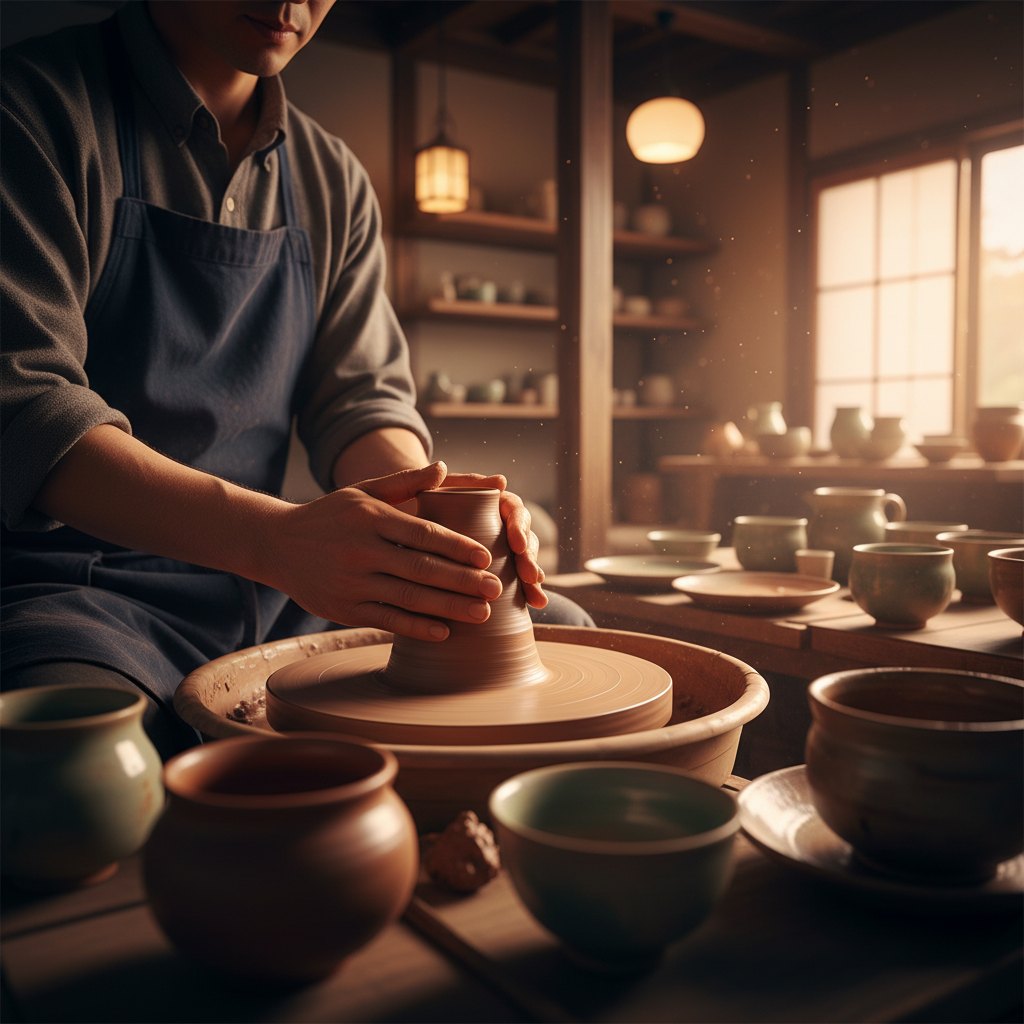
Shirase Shinji began producing everyday ceramics such as bowls and jars in this new land. In the harsh natural environment of Hokkaido, he dedicated himself to creating pottery that combined practicality with beauty. This marked the birth of what would later become known as “Otaru Kiln Shirase Ceramic Studio,” Hokkaido’s oldest ceramic kiln.
Techniques and Research Passed Down Through Generations
Otaru Ware developed as the Shirase family passed down their craft across generations. The second-generation Kiyozō and the third-generation Eisatsu traveled to various kilns in Manchuria, Korea, Honshu, and Kyushu to improve their techniques and conduct research. This spirit of inquiry laid the foundation for modern Otaru Ware.
During the era of the fourth-generation Shinji, the business transitioned from a private operation to a company organization, modernizing Otaru Ware’s production system. By preserving traditions dating back to the Meiji era while adapting management to the times, Otaru Ware gained nationwide recognition as a ceramic representative of Hokkaido.
107 Years of History and Temporary Closure
The Otaru Kiln Shirase Ceramic Studio closed in 2007 (Heisei 19) after 107 years due to the lack of a successor. This was a significant loss to Hokkaido’s ceramic culture, but the beauty and value of Otaru Ware remained in the hearts of many enthusiasts.
Characteristics of Otaru Ware: The Beauty of Hokkaido Created by Green Jade Oribe Glaze
The Unique Green Jade Oribe Glaze
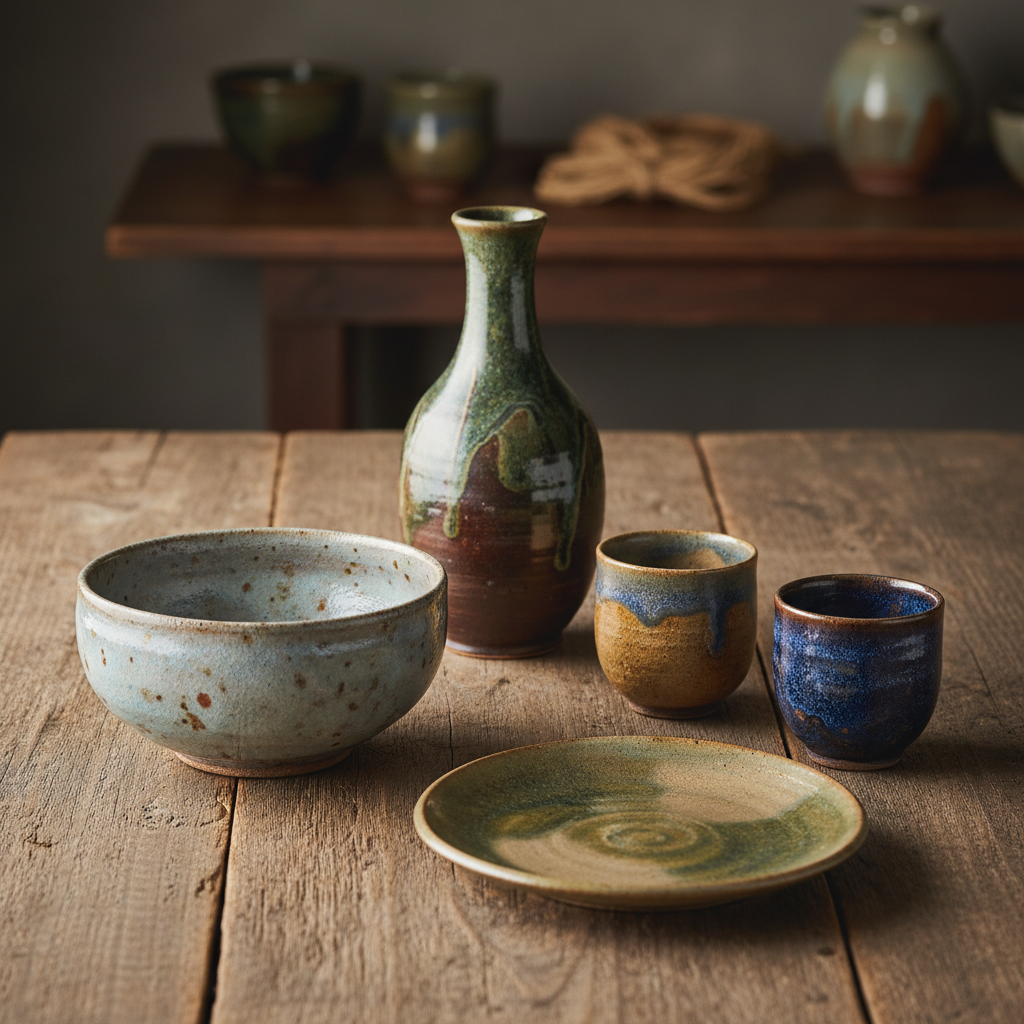
The greatest characteristic of Otaru Ware is the transparent blue-green glaze called “Green Jade Oribe.” This beautiful color has a unique atmosphere reminiscent of Hokkaido’s lakes and seas, captivating viewers.
The Green Jade Oribe glaze is not merely decorative; it embodies the maker’s intention to express the natural beauty of Hokkaido. By capturing the colors of beautiful Hokkaido lakes such as Lake Shikotsu and Lake Mashu in ceramics, the artisans pursued a unique taste reflecting Hokkaido.
The Harmony of Practicality and Artistry
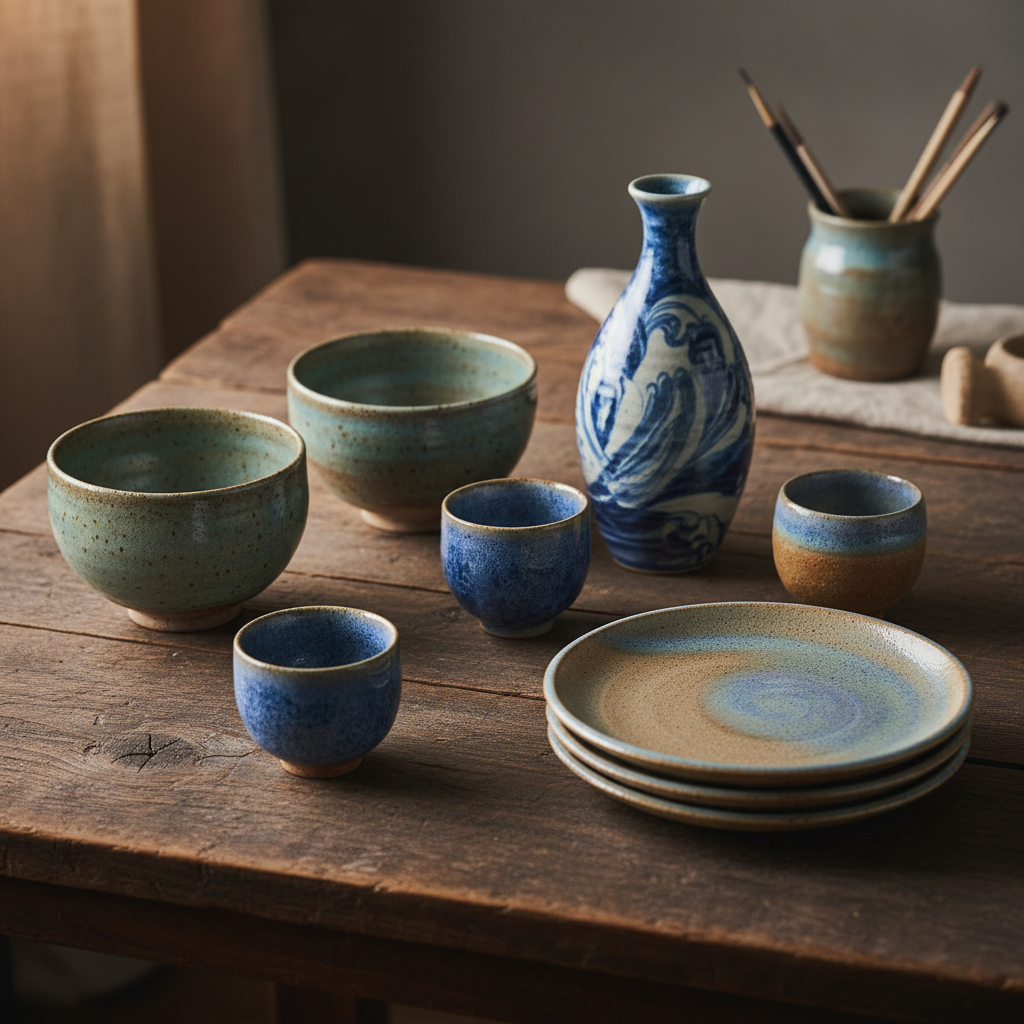
Since Otaru Ware originated as everyday ceramics, it is characterized by emphasizing practicality while not sacrificing artistry. Works such as bowls, jars, plates, and teacups—items usable in daily life—offer both the pleasure of use and the joy of viewing through the beautiful Green Jade Oribe glaze applied to them.
Otaru Ware combines durability to withstand Hokkaido’s harsh climate with the beauty to grace the dining table, earning high praise not only from local residents but also from tourists and ceramic enthusiasts.
Diverse Range of Works
Otaru Ware encompasses various creations. From traditional bowls and jars to contemporary tableware, flower vases, and tea ceremony implements, a wide array of products has been developed. What is common to each work is the color palette that evokes Hokkaido’s nature and the warmth derived from careful handcraftsmanship.
The Position of Ceramic Production Areas in Hokkaido
The History of Hokkaido’s Ceramic Culture
Hokkaido’s ceramic production areas, when viewed from the perspective of Japan’s overall ceramic history, are relatively new, with a short period of formal production. This characteristic is closely related to Hokkaido’s history of development.
In contrast to major ceramic centers like Arita and Bizen in Honshu, which boast centuries of history, Hokkaido’s ceramics became formalized after the Meiji era. However, even within this short history, unique works reflecting Hokkaido’s distinct natural environment and culture have been created.
Other Hokkaido Ceramic Production Areas Besides Otaru Ware
Besides Otaru Ware, Hokkaido has several other ceramic production areas. Sapporo Ware and Kobu-shi Ware are well-known, each producing works that take advantage of Hokkaido’s climate and geography.
Currently, several kilns operate in various parts of Hokkaido, many of which opened during the post-war tourism and folk art boom periods. These kilns are also engaged in creating unique works that express Hokkaido’s nature and culture.
The Influence of Otaru Ware on Hokkaido Ceramics
As Hokkaido’s oldest ceramic kiln, Otaru Ware had a major impact on the development of ceramic art culture in the prefecture. The unique Green Jade Oribe glaze technique became a guideline for Hokkaido ceramicists in expressing “Hokkaido’s character.”
The accumulated traditions and techniques spanning from the Meiji era became valuable assets for subsequent ceramicists, establishing the foundation of Hokkaido’s ceramic art culture.
The Revival of Otaru Ware: New Challenges in the Reiwa Era
Revival Efforts by the Fifth Generation
Although the Otaru Kiln Shirase Ceramic Studio closed in 2007, it was revived in 2025 (Reiwa 7) by Shirase Shintarō, the fifth-generation successor. Having observed the ceramic work of the third-generation Eisatsu and fourth-generation Shinji since childhood, Shintarō made the decision to inherit the Otaru Ware tradition.
This revival is not merely a reopening of the kiln. It is also a challenge to create new Otaru Ware suited to contemporary needs while inheriting 107 years of history and tradition.
Inheritance of Traditional Techniques and Contemporary Development
The revival of Otaru Ware by the fifth generation is expected to preserve traditional Green Jade Oribe techniques while creating works suited to modern lifestyles. Building on the glaze formulations and firing techniques passed down through generations, efforts are also being made to develop new designs and applications.
The revived Otaru Ware is expected to play a role in maintaining a balance between tradition and innovation while passing Hokkaido’s ceramic culture to the next generation.
The Value and Appeal of Otaru Ware
Value as a Collector’s Item
Because production was once interrupted, older Otaru Ware pieces currently hold high value as collector’s items. Particularly, works created during the periods of the first through fourth generations are receiving attention as valuable materials for discussing Hokkaido’s ceramic history.
Pieces glazed with the beautiful Green Jade Oribe are popular at antique markets and fine art shops, with many being carefully preserved as Hokkaido’s cultural heritage.
Appeal as a Hokkaido Souvenir
Otaru Ware is popular with tourists as ceramics that evoke a sense of Hokkaido. Pottery bearing the name of Otaru, a tourist destination, has been chosen as a travel memento and as a gift for loved ones.
While practical, the beautiful color that evokes Hokkaido’s nature reminds users of Otaru and Hokkaido memories with each use.
Appeal as Everyday Tableware
The true charm of Otaru Ware lies in its function as tableware for everyday use. Durable, easy to use, and beautiful enough to enhance the dining table, Otaru Ware enriches not just special occasions but daily meals.
The Green Jade Oribe glaze works well with both Japanese and Western cuisine, offering versatility that adapts to modern diverse food cultures.
Otaru Ware and Hokkaido Culture
The Development Era of Hokkaido and Ceramic Demand
The Meiji era when Otaru Ware was born was a time of rapid development and increase in settlers from Honshu. The growing population required ceramics for daily use, and Otaru Ware developed within this historical context.
It can be assumed that Shirase Shinji, who came from Echigo to open a kiln in Otaru, did so with an eye toward meeting this demand. The history of Hokkaido’s development and the history of Otaru Ware are closely intertwined.
The Cultural Background of Otaru, a Port Town
Otaru prospered as Hokkaido’s gateway from the Meiji through Taishō periods. Known as a port of call for kitamaebune vessels, it facilitated active exchange of goods and culture with Honshu. The culturally open environment of a port town supported Otaru Ware’s development.
As various ceramic techniques and aesthetic sensibilities from different regions flowed into Otaru, Otaru Ware refined its unique character. The internationally-minded and forward-thinking spirit characteristic of port towns became the foundation for creating a new ceramic culture representing Hokkaido.
The Natural Beauty of Hokkaido and Ceramic Expression
Just as Otaru Ware’s Green Jade Oribe expresses the colors of Hokkaido’s lakes, Hokkaido ceramics have prioritized incorporating natural beauty into their works. The vast plains, beautiful lakes, and majestic mountains unique to Hokkaido have served as sources of inspiration for ceramicists.
Otaru Ware and other Hokkaido ceramics can be seen as an attempt to express this region’s nature and culture through vessels.
How to Enjoy Otaru Ware
How to Obtain Otaru Ware
The revived Otaru Kiln Shirase Ceramic Studio operates an online shop for sales. People living in distant areas can obtain Otaru Ware through the internet.
Additionally, Otaru Ware can be found at souvenir shops, pottery stores in Otaru City, and at Hokkaido product exhibitions. For those who wish to examine the texture and color in person before purchasing, visiting shops while in Otaru is also recommended.
Points for Appreciating Otaru Ware
When appreciating Otaru Ware, first pay attention to the color of the Green Jade Oribe glaze. The transparent blue-green color that changes appearance depending on how light strikes it is Otaru Ware’s greatest appeal.
Also important are the balance of the form, the weight when held in hand, and the texture. You will be able to perceive the harmony between ease of use as practical ceramics and beauty.
How to Care for Otaru Ware
Since Otaru Ware was made for daily use, no special care is required. After use, wash gently with neutral detergent and dry thoroughly. This is the basic approach.
With continued use, the glaze may develop a unique quality over time. This phenomenon, called “crazing,” is an age-related change unique to ceramics that can be appreciated.
The Future of Hokkaido’s Ceramic Production Areas
The Challenge of Successor Development
Just as Otaru Ware was forced to close, Hokkaido’s ceramic production areas face the challenge of insufficient successors. Nurturing young ceramicists and supporting them is essential for passing traditional techniques to the next generation.
In recent years, there has been a trend of young people studying ceramics opening workshops throughout Hokkaido. By learning tradition while engaging in unique creative work, this new generation holds the potential for Hokkaido’s ceramic culture to achieve fresh development.
Utilization as a Tourism Resource
Hokkaido’s ceramic production areas hold significant potential as tourism resources. By providing opportunities for tourists to experience Hokkaido’s culture through kiln tours and ceramic workshops, the region can contribute to local revitalization.
Otaru is already a popular tourist destination, but through leveraging Otaru Ware as a cultural resource, the area has potential to develop into an even more attractive tourist destination.
Adaptation to Contemporary Lifestyles
For Hokkaido’s ceramic production areas to develop sustainably, creating works suited to modern lifestyles is also important. While preserving traditional techniques and aesthetic sensibilities, producers are required to pursue designs and functionality that match contemporary lifestyles.
The revival of Otaru Ware is expected to proceed while maintaining this balance between tradition and innovation.
Conclusion: The Possibilities of Hokkaido Ceramics Demonstrated by Otaru Ware
As Hokkaido’s oldest ceramic production area with a continuing history since the Meiji era, Otaru Ware has led the development of ceramic art culture in the prefecture. The beautiful blue-green works created through the unique Green Jade Oribe glaze technique express Hokkaido’s natural beauty and have captivated many people.
Though once forced to close due to the lack of a successor, Otaru Ware began writing a new chapter with its revival in 2025. The commitment to inheriting 107 years of tradition while pursuing new creative approaches suited to contemporary times is suggestive of the future of Hokkaido’s ceramic production areas as a whole.
Hokkaido’s ceramic culture may have a shorter history compared to production areas in Honshu. However, the unique works reflecting this region’s distinctive natural beauty and culture hold the potential to bring fresh perspectives to Japan’s ceramic culture. One can only hope that Otaru Ware and other Hokkaido ceramics will continue to be loved and developed by many people.
When visiting Otaru, be sure to experience Otaru Ware firsthand. Through its beautiful green glaze and careful craftsmanship, you will surely sense Hokkaido’s nature and history, as well as the maker’s thoughts.