
Sapporo Ware (Hokkaido) Complete Guide: From Phantom Ceramics to Modern Heritage and Charm
What is Sapporo Ware: Phantom Pottery Born in Hokkaido
Sapporo ware (sapporo-yaki) is ceramics that were once produced in Sapporo, Hokkaido, and are known as “phantom pottery” since they were manufactured only during the Taisho era for just about 10 years. The historical significance of pottery production in Hokkaido, a cold region, is substantial, and it continues to attract high interest from pottery enthusiasts and historical researchers today.
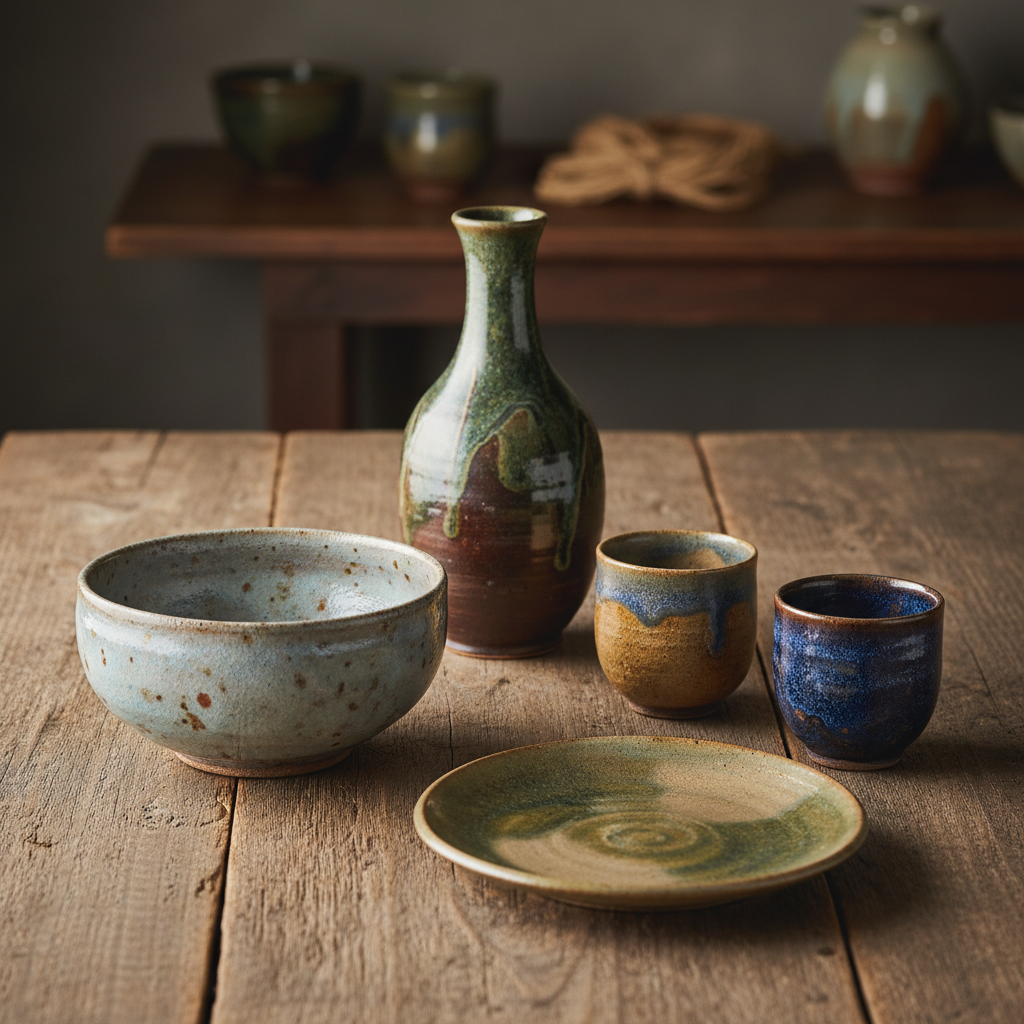
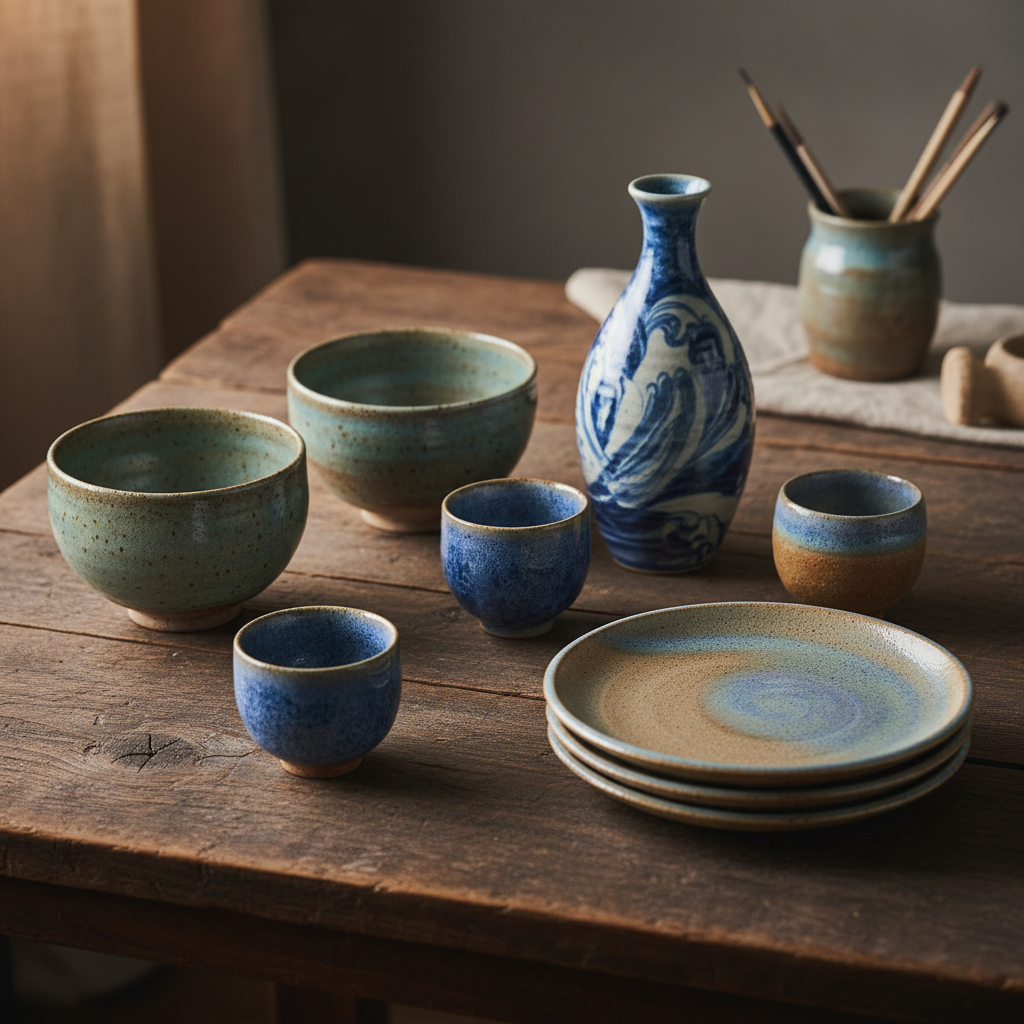
Sapporo ware was manufactured as practical daily-use items, and a diverse range of vessels close to people’s lives were created, including large jars, bowls, grinding bowls, flower vases, tea bowls, sake bottles, teapots, hot water bottles, and even fishing weights (sinkers). Characterized by a rustic and robust appearance, it has become a precious cultural heritage that conveys the lifestyle culture of Hokkaido’s frontier settlement era to the present day.
The History of Sapporo Ware: From the Meiji Era through the Taisho Era and Discontinuation
The Dawn Period: Challenges in the Meiji Era
Movements to fire pottery in Sapporo began in the late Meiji period. In 1899 (Meiji 32), the Ezo Pottery Joint Stock Company was established, marking the first step toward full-scale pottery production in Hokkaido. In 1903 (Meiji 36), the Hokkaido Refractory Brick Company established its headquarters in Sapporo, and the technical foundation for pottery manufacturing was consolidated alongside refractory brick production.
During this period, as Hokkaido’s development progressed, the need to produce pottery locally increased due to the cost and transportation difficulties of shipping ceramics from Honshu. The presence of high-quality clay in the Sapporo area, abundant water resources, and timber as fuel supported the development of the pottery industry.
The Peak Period: Sapporo Ware in the Taisho Era
With the advent of the Taisho era, full-scale production of Sapporo ware began, centered around the Maruyama district of Sapporo. The reasons for selecting this area were clear:
- High-quality clay: Clay layers suitable for pottery manufacturing spread throughout the Maruyama vicinity
- Abundant water resources: Abundant spring water allowed stable water supply necessary for pottery production
- Fuel procurement: Firewood materials could easily be obtained from surrounding forests
- Convenient transportation: Proximity to Sapporo’s commercial center provided advantages for product distribution
The kilns were climbing kilns, with large ones featuring around six firing chambers, with approximately three operating kilns. Climbing kilns are traditional kilns that arrange firing chambers in a staircase pattern on sloped terrain, characterized by their structure that efficiently maintains high temperatures.
Discontinuation: Why Production Ceased After Just 10 Years
The production period of Sapporo ware was remarkably short at approximately 10 years. Production ceased in the late Taisho era, and subsequently became known as “phantom pottery” passed down in stories. The reasons for discontinuation are considered to include:
- Economic factors: Intensified competition from mass-produced, inexpensive ceramics
- Difficulty in technical succession: Challenges in securing craftspeople and transmitting techniques
- Rising fuel costs: Firewood procurement became increasingly difficult
- Market changes: Decrease in demand due to changes in lifestyle
However, despite this brief production period, Sapporo ware established the foundation for pottery culture in Hokkaido and exerted significant influence on posterity.
Characteristics and Products of Sapporo Ware
Technical Characteristics
Sapporo ware possessed the following technical characteristics:
Clay and glaze: Clay extracted from the vicinity of Maruyama produced a simple and warm-feeling texture. Glazes were also carefully formulated from local materials, creating unique colors and finishes.
Firing method: Wood-fired in climbing kilns at approximately 1200 degrees Celsius. The movement of flames from wood combustion created distinctive patterns on vessels, producing individual works where no two were alike.
Design: The focus was on simplicity prioritizing functionality over decoration, though some pieces featured painted designs with North Hokkaido nature as motifs.
Major Product Groups
A variety of vessels necessary for daily life were manufactured as Sapporo ware:
- Storage containers: Large jars and bowls for preserving miso and pickles
- Cooking utensils: Grinding bowls, earthenware pots, etc.
- Tableware: Tea bowls, plates, bowls
- Sake vessels: Sake bottles, small sake cups
- Tea implements: Teapots, tea bowls
- Flower containers: Flower vases, flower vessels
- Household items: Hot water bottles, braziers
- Fishing equipment: Sinkers for fishing nets
These products were important tools supporting the lives of people living in Hokkaido during the frontier settlement period.
The Revival of Sapporo Ware: Tradition Inherited in Modern Times
The Path to Revival
In 1986 (Showa 61), efforts began to revive the phantom Sapporo ware. The late Tatsuo Wakui dedicated himself to research and restoration of Sapporo ware, successfully reproducing lost techniques. Through Wakui’s efforts, Sapporo ware was reborn in modern times after approximately 60 years of absence.
Wakui researched old documents and surviving works, elucidating the manufacturing techniques and glaze compositions of the era. This revival project went beyond mere historical reconstruction, leading to the creation of new Sapporo ware suited to contemporary living.
Contemporary Sapporo Ware Kilns
Currently, several kilns carry on the Sapporo ware tradition.
Sapporo Ware Bankai Kiln (bankeigama)
Ceramic artist Kazunao Azuma received permission from the widow of Tatsuo Wakui to use the name and continues as successor to Sapporo ware. His workshop is located in the Bankai district, Chuo Ward, Sapporo, creating works that preserve traditional techniques while incorporating contemporary sensibilities.
Characteristics:
- Wood-fired in traditional climbing kilns
- Pottery utilizing local clay
- Works combining practicality with artistry
- Operation of pottery classes and experience programs
Location: Bankai district, Chuo Ward, Sapporo
Hours: 10:00~17:00 (please confirm)
Access: Approximately 20 minutes by car from Sapporo city center
Parking: Available
At Bankai Kiln, workshop viewing and artwork purchases are possible, and an online shop is operated. Pottery experience is accepted by reservation, allowing visitors to experience the actual Sapporo ware creation process.
Sapporo Ware Hien Kiln (hienngama)
A kiln located in Shinkawa, Kita Ward, Sapporo, pursuing heartfelt vessel creation under the philosophy of “gladdening the heart facing earth, calming the heart facing fire, and soothing the heart facing vessels.”
Sapporo Ware Hachiken Kiln
One of the active kilns in Sapporo, continuing activities that convey the Sapporo ware tradition to modern times.
Sapporo Ware Kiln Sites: Tracing Historical Remnants
Kiln Sites in the Maruyama District
Kiln sites where Sapporo ware was once manufactured remain in Maruyama district, Chuo Ward, Sapporo. They are currently preserved as historical sites with explanatory plaques.
Kiln Site Features:
- Remains of climbing kiln structures can be confirmed
- Pottery fragments from the era have been excavated
- Located amid the natural environment of Maruyama
- A valuable location to learn about Sapporo’s industrial history
The area surrounding the kiln site has become residential, though it is visited by those interested in historical walking tours. It is close to tourist destinations such as Maruyama Zoo and Hokkaido Shrine, and can be visited as part of Sapporo tourism.
Hokkaido’s Ceramic Culture and the Position of Sapporo Ware
The History of Pottery Making in Hokkaido
Pottery making in Hokkaido is said to have begun in Hakodate during the Ansei era (1854-1860) in the late Edo period. Migrants from Honshu brought pottery manufacturing techniques, and ceramic culture sprouted in the northern land.
Currently, Hokkaido is said to have approximately 300 kilns, including the “Taisestu Kiln” in Asahikawa. Diverse pottery reflecting each region’s characteristics is created, and Hokkaido’s unique ceramic culture has flourished.
Cultural Significance of Sapporo Ware
Sapporo ware holds an important position in this Hokkaido ceramic history:
- Frontier settlement lifestyle culture: Valuable material narrating the lives of people during Hokkaido’s development era
- Pioneer of regional industry: An attempt at industrial creation utilizing local resources
- Symbol of technical succession: A rare example of interrupted tradition being revived
- Hokkaido identity: A cultural symbol expressing Hokkaido’s distinctive character
Experiencing and Purchasing Sapporo Ware
Pottery Experience Programs
Kilns such as Sapporo Ware Bankai Kiln offer pottery experience programs:
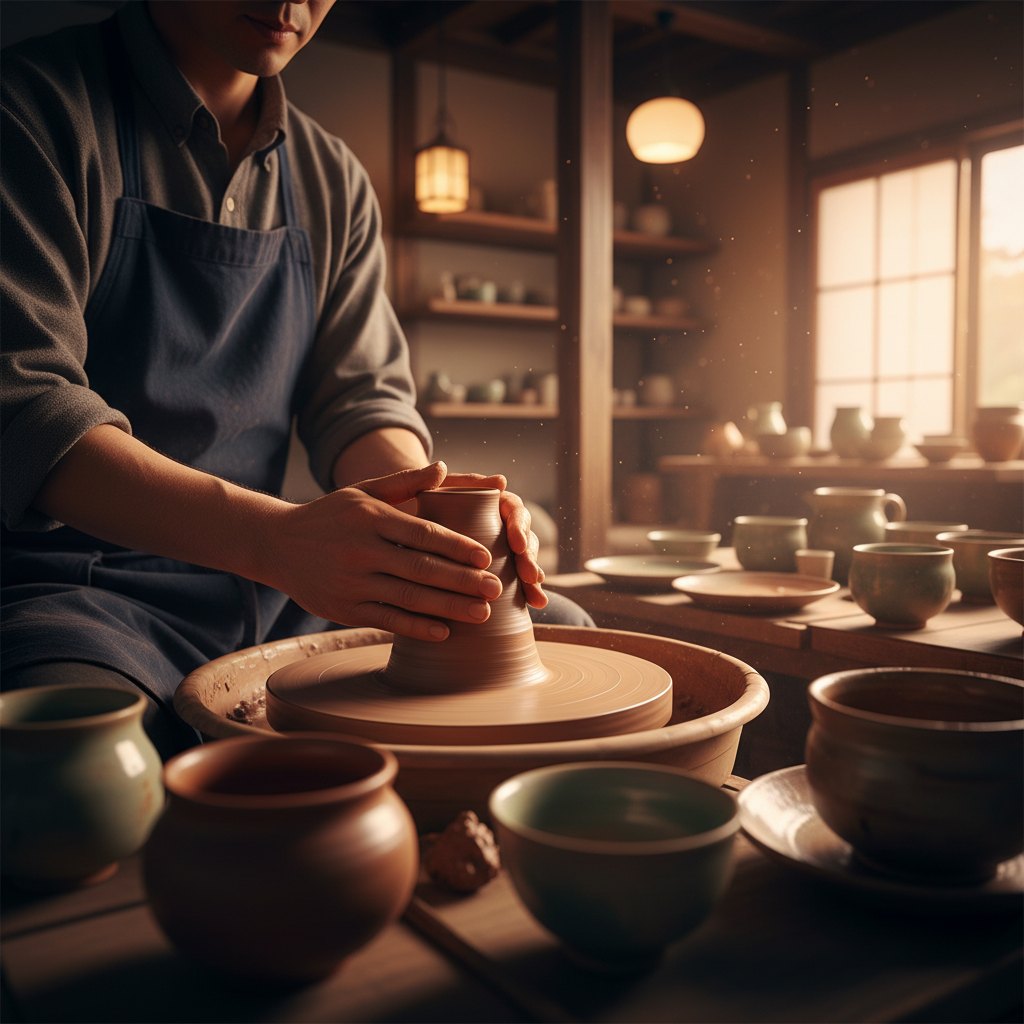
Hand-modeling experience: Shaping clay by hand to create original works. Content suitable for beginners allows creation of tea bowls, plates, small bowls, and more.
Electric pottery wheel experience: Full-fledged pottery experience using electric pottery wheels. While receiving instruction, participants can create teacups, tea bowls, and other items.
Painting experience: Decorating pieces with glaze painting. Content easily accessible for children.
Works created during experiences are fired and can be mailed or picked up later (additional charge). Sessions last approximately 1-2 hours and require reservation.
Methods of Purchasing Artwork
Sapporo ware pieces can be purchased through:
Direct purchase at kilns: Visiting workshops allows handling and selecting pieces directly. Direct conversation with artists is possible, along with receiving advice about piece backgrounds and usage.
Online shops: Kilns such as Sapporo Ware Bankai Kiln operate online shops, enabling purchase from distant locations.
Department stores and galleries: Works are sometimes stocked at Sapporo department stores and craft galleries.
Hometown tax returns: Sapporo ware can be selected as gifts through Sapporo’s hometown tax return program.
The Charm and Usage of Sapporo Ware
As Daily-Use Tableware
The greatest charm of Sapporo ware lies in its practical beauty for daily life:
Warm-feeling texture: The warmth inherent to handmade pieces is felt, enriching everyday dining tables.
Enjoying aging changes: Greater taste develops with extended use, maturing into uniquely personal vessels.
Compatibility with Hokkaido ingredients: Arranging fresh Hokkaido ingredients on the pieces creates harmony between vessel and cuisine, making food taste better.
Care and Maintenance
Care tips for long-term enjoyment of Sapporo ware:
- Initial use: Before first use, boiling in rice water prevents dirt adherence
- Daily washing: Gently wash with neutral detergent and sponge. Avoid abrasive cleaners
- Drying: Dry thoroughly after washing before storage
- Storage: Store in well-ventilated locations avoiding direct sunlight
- Microwave and dishwasher: Suitability varies by piece; confirm when purchasing
A Sightseeing Plan Around Sapporo Ware
Sapporo Ware and Nearby Tourist Attractions
Example of a sightseeing plan including kiln visits:
Morning: Pottery experience or workshop tour at Sapporo Ware Bankai Kiln
Lunch: Enjoy Hokkaido cuisine at cafes or restaurants in Maruyama district
Afternoon: Stroll through Maruyama Zoo, Hokkaido Shrine, Maruyama Park, and other sites
Evening: Return to Sapporo city center for shopping and dining
The Bankai district is approximately 20 minutes by car from Sapporo’s center, and even closer from the Maruyama district. In this natural setting, visitors can touch ceramic culture while enjoying scenery that changes with the seasons.
Access Information
Access to Sapporo Ware Bankai Kiln:
- By car: Approximately 20 minutes from Sapporo’s center via National Route 230. Parking available
- Public transportation: Approximately 10 minutes by taxi from Maruyama Park Station on the Tozai Subway Line
- Winter requires attention to frozen road surfaces
Confirm operating hours before visiting, and pre-reservation is recommended for experience programs.
The Future of Sapporo Ware: Tradition Succession and New Developments
Training Young Artists
To pass Sapporo ware tradition to the next generation, training of young ceramic artists proceeds. Learning techniques from veteran artists, new Sapporo ware with contemporary sensibilities is being born.
Adaptation to Contemporary Life
While preserving traditional techniques, development of works suited to modern lifestyles proceeds:
- Microwave-compatible tableware
- Dishwasher-safe glaze development
- Modern design dinnerware series
- Integration with Nordic design
Overseas Promotion
Efforts to introduce Sapporo ware to overseas markets as Hokkaido ceramic culture have begun. Growing international attention is rising both as traditional Japanese crafts and as cultural charm distinctive to Hokkaido.
Conclusion: The Story of Hokkaido Told by Sapporo Ware
Despite just 10 years of production, Sapporo ware left significant footprints in Hokkaido’s ceramic history. The revived tradition after once ceasing, continued through efforts of passionate people and inherited in modern times, embodies the very spirit of Hokkaido’s frontier settlement.
Simple and robust Sapporo ware vessels supported people’s lives in the Hokkaido land and continue bringing warmth to daily life today. When visiting Sapporo, be sure to visit Sapporo ware kilns and touch their history and charm. By actually holding pieces and using them, one can more deeply feel Hokkaido’s culture and history.
Sapporo ware is not merely pottery, but an irreplaceable cultural heritage conveying Hokkaido’s history, culture, and hope for the future.