Odo Ware | History and Present of a Traditional Ceramic Industry Representing Kochi Prefecture
Odo ware (odoyaki) is a traditional ceramic produced in Kochi City, Kochi Prefecture, continuing since the Edo period. Beginning as the lord’s kiln (goten-yaki) of the Tosa domain, this pottery with a history spanning over 370 years is known for its warm aesthetic and delicate decorative painting. This article provides detailed explanation of the history, characteristics, current kiln operators, and the positioning of Odo ware as a ceramic production center in Kochi Prefecture.
Odo Ware – Traditional Ceramics Representing Tosa
Odo ware is a traditional ceramic produced in Kochi City, Kochi Prefecture. The name “Odo” is said to be a phonetic transformation of “Ozutsu,” the former location of the kiln.
In the 2nd year of Shōō (1653), by order of Yamanouchi Tadayoshi, the 2nd lord of the Tosa domain, a master potter named Kuno Shohaku was invited from Osaka to establish a kiln on the north bank of the Enoguchi River north of Kochi Castle, in Odo (present-day Kozu Town, Kochi City). It is said that Yanaka Kenszan, who served as a senior retainer at that time, was deeply involved in this kiln’s establishment.
Because Odo ware was produced as a lord’s kiln (goten-yaki—a term referring to ceramics made in kilns established by feudal lords or castle lords with an interest in pottery), it initially focused on tea ceremony utensils and gifts for the domain lord and upper-ranking samurai. However, as time progressed, everyday items began to be produced as well, becoming deeply rooted in the lives of the people of Tosa.
History of Odo Ware – From the Edo Period to the Present
Early Edo Period – Founding as a Lord’s Kiln
At the kiln’s establishment in 1653, Odo ware was produced primarily as a lord’s kiln, creating mainly tea ceremony utensils and gifts. Potters beginning with Kuno Shohaku as the founder continued their work using high-quality ceramic clay in Kozu Odo on the north side of Kochi Castle.
During this period, the Tosa domain was implementing active industrial promotion policies under Yanaka Kenszan’s leadership, and the establishment of the Odo kiln was positioned as part of these efforts. Given the nature of a lord’s kiln, high technical skill and aesthetic sensibility were required, and it is believed that advanced techniques from Kyoto and Osaka were incorporated.
Mid to Late Edo Period – Expansion of Production
From the mid-Edo period onward, while maintaining its character as a lord’s kiln, Odo ware gradually began producing everyday items as well. During the Bunsei era (1818–1830), the production system was further developed, expanding in response to demand within the Tosa domain.
Odo ware during this period was primarily ceramic, but with improved techniques, a diverse range of vessel types came to be produced. Rice bowls, plates, bowls, sake bottles, and various other vessels for daily use were made, supporting the material culture of the people of Tosa.
Meiji Period – Relocation to Nosayadama and Porcelain Production
With the Meiji Restoration abolishing the domain system, Odo ware as a lord’s kiln faced a major turning point. In the Meiji period, the kiln relocated to the area around Nosayadama in Kochi City.
This relocation to Nosayadama became an important inflection point in the history of Odo ware. At the new kiln, in addition to traditional ceramics, porcelain production also began, expanding technical capabilities. However, during the Meiji and Taishō periods, as the ceramics industry nationwide underwent modernization and industrialization, handcrafted Odo ware gradually entered a period of decline.
Showa Period to Present – Inheritance and Revitalization of Tradition
Passing through a period of decline in the Meiji and Taishō periods, active efforts to preserve the tradition of Odo ware emerged during the Showa period. The value of Odo ware as a traditional craft was rerecognized, and a small number of kilns continued to preserve traditional techniques.
Currently, the tradition of Odo ware is primarily carried forward by two kiln operators. Tani Seitoujo and Doi Kiln are at the center, each maintaining their own distinctive style while transmitting the techniques and aesthetic sensibility of Odo ware continuing from the Edo period to the present day.
Kochi City has recognized Odo ware as a “Tosa handmade craft product” and works to preserve and promote it. Additionally, the Kochi Castle History Museum holds special exhibitions related to Odo ware, and its value as a cultural property is highly appreciated.
Characteristics of Odo Ware – Harmony of Warmth and Delicacy
Materials and Texture
The greatest characteristic of Odo ware is its soft lines and warm texture. The ceramic clay used is primarily sourced from Kochi Prefecture, and after firing, a light-colored clay surface appears. This soft quality of the clay creates the distinctive accessibility unique to Odo ware.
Continuing the tradition of ceramics as the main form, many works are still produced as ceramics, but the porcelain techniques that began after the relocation to Nosayadama have also been inherited, and kiln operators produce both ceramics and porcelain.
Decorative Painting Technique
Another element characterizing Odo ware is delicate decorative painting in indigo blue (gosu). On the light-colored clay surface, traditional auspicious patterns such as pine, bamboo, plum, clouds, and cranes are drawn in indigo blue.
Additionally, many works feature flowers of different seasons painted with fine brushwork. Plum blossoms, cherry blossoms, chrysanthemums, autumn leaves—these seasonal designs reflecting the passage of the four seasons express Japanese aesthetic sensibility. This decorative painting technique has been passed down through generations, and the warmth of hand-painted work by skilled craftspeople dwells in each piece.
Vessel Types and Uses
Odo ware encompasses a wide range of vessel types from tea ceremony utensils to everyday items.
Tea ceremony utensils: Tea bowls, tea caddies, water vessels, flower arrangements—implements used in the tea ceremony. Many are dignified works inheriting the tradition as a lord’s kiln.
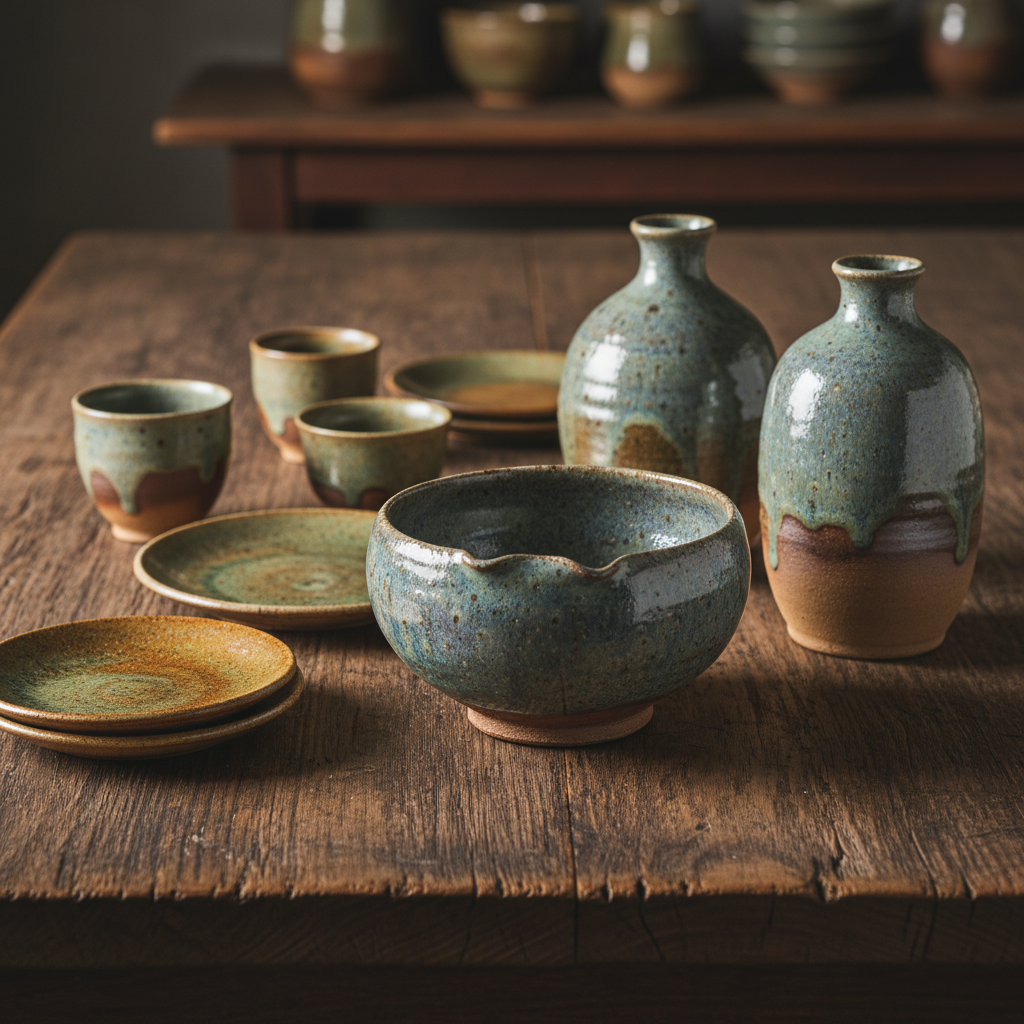
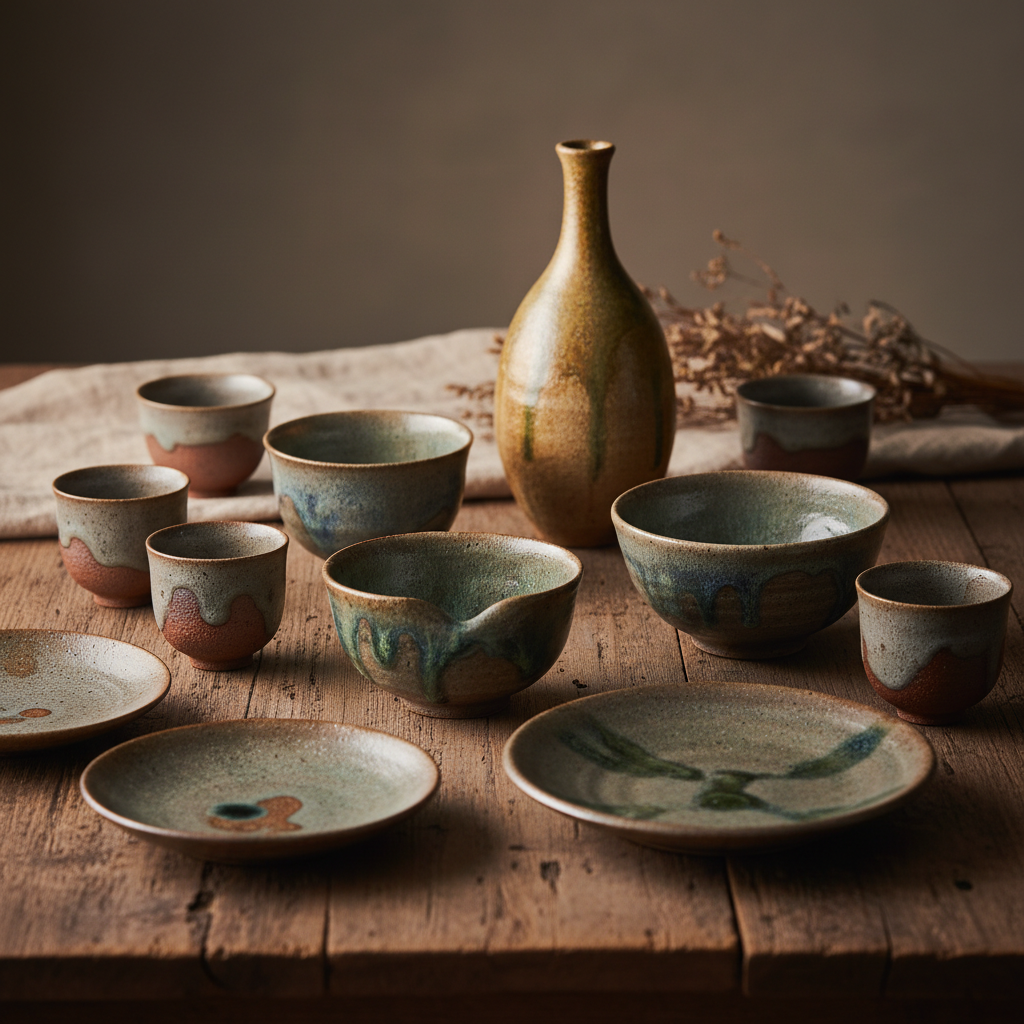
Everyday items: Rice bowls, tea cups, plates, bowls, sake bottles, sake cups and other tableware for daily use. Designs adapted to modern lifestyles are also being developed.
Gifts: Vessels with special decorative painting or works featuring auspicious patterns—items valued as gifts.
In this way, diverse works ranging from traditional tea ceremony utensils to vessels brightening the modern dining table characterize Odo ware.
Current Kiln Operators – Craftspeople Preserving Tradition
Tani Seitoujo
Tani Seitoujo is a representative kiln operator that has maintained the tradition of Odo ware since its founding in the Meiji period. Currently, Tani Hideki leads the pottery work, and in 2010 he was recognized as a “Tosa Artisan,” a distinction his father Yasuo had also received—a historic achievement in Kochi Prefecture as the first parent-child pair to receive this recognition.
The characteristic of Tani Seitoujo is that while preserving traditional techniques, it proposes everyday vessels suited to modern lifestyles. Tani Hideki, with over 30 years of experience, holds pottery classes and one-day experiences open to the general public (by reservation) based on the desire to “let people casually become familiar with pottery.”
The pottery studio produces a wide range of works from traditionally decorated pieces to simple, easy-to-use everyday vessels. It operates a workshop in Kozu Town, Kochi City, and welcomes visitors warmly.
Doi Kiln
Doi Kiln is another important kiln operator inheriting the tradition of Odo ware. While preserving traditional techniques, it develops its own distinctive style, demonstrating the diversity of Odo ware.
Both kiln operators play important roles in transmitting the techniques and spirit of Odo ware continuing from the Edo period to the present day, contributing to the preservation and development of Kochi Prefecture’s traditional crafts.
Positioning of Odo Ware as a Ceramic Production Center in Kochi Prefecture
Ceramic Production Centers in the Shikoku Region
In addition to Odo ware, the Shikoku region has several ceramic production centers including Tobe ware (Ehime Prefecture) and Sanuki ware (Kagawa Prefecture). Among these, Odo ware holds an important position as Kochi Prefecture’s sole traditional ceramic production center.
In contrast to Tobe ware, known as a porcelain center with white porcelain and indigo decorative painting, Odo ware is characterized by ceramics as its foundation while also producing porcelain. Additionally, its distinguished history as a lord’s kiln demonstrates Odo ware’s unique character.
Odo Ware as a Tosa Traditional Craft
Kochi Prefecture is home to numerous excellent traditional crafts such as Tosa forged blades, Tosa handmade paper, and Tosa coral. Among these, Odo ware is recognized as a “Tosa handmade craft product,” forming an important element of Kochi Prefecture’s cultural identity.
Kochi City introduces Odo ware on its official website, disseminating information about its history and current kiln operators. Additionally, the Kochi Castle History Museum holds special exhibitions titled “Tosa Pottery – Odo Ware,” with its value as a cultural property recognized.
Potential as a Tourism Resource
Odo ware is attracting attention as a tourism resource for Kochi Prefecture. Pottery experiences at kilns provide tourists with valuable opportunities to touch Tosa’s traditional culture.
Tani Seitoujo offers pottery classes and one-day experiences for the general public, allowing travelers to create Odo ware with their own hands. Such experiential tourism deepens understanding of traditional crafts while contributing to local economic revitalization.
Additionally, Odo ware works are sold in souvenir shops and craft stores throughout Kochi City, being purchased as keepsakes of visiting Kochi or as gifts.
Cultural Property Value of Odo Ware
Historical Value
With a history spanning over 370 years since its establishment in 1653, Odo ware is a traditional ceramic of significant cultural property value. Beginning as a lord’s kiln of the Tosa domain, it preserves the culture of the domain period to the present day, representing a valuable cultural property.
Works of Odo ware from the Edo period are collected and preserved by the Kochi Castle History Museum and private collectors, serving as important materials for understanding the technical standards and aesthetic sensibility of that era. Particularly, tea ceremony utensils represent precious heritage demonstrating Tosa’s tea ceremony culture.
Technical Value
The manufacturing techniques of Odo ware have been transmitted through oral tradition and practice since the Edo period. In the series of processes—clay selection, forming, decorative painting, and firing—are concentrated the skills and wisdom accumulated over many years of craftsmanship.
Particularly, the decorative painting technique using indigo blue (gosu) requires considerable expertise. Techniques encompassing brush movement, adjustment of indigo blue concentration, and pattern placement have been passed down through generations.
Cultural Value
Odo ware has been closely intertwined with Tosa’s life culture. As a tea ceremony utensil, Odo ware has supported Tosa’s tea ceremony culture; as an everyday item, it has sustained the lives of common people.
In this way, Odo ware possesses value as a mirror reflecting Tosa’s history, culture, and daily life, rather than merely being a craft. In the present day, using Odo ware in daily life allows one to experience traditional culture in a tangible way.
Purchasing and Experiencing Odo Ware
Purchase Methods
Odo ware works can be purchased through the following methods:
Direct purchase from kilns: Visiting Tani Seitoujo or Doi Kiln directly to purchase. This offers the advantage of speaking directly with the creator and receiving advice about the work’s background and usage.
Craft and souvenir shops in Kochi City: Odo ware is handled by multiple shops throughout Kochi City. This offers the advantage of accessibility during tourism.
Online sales: Some kilns and craft shops conduct online sales, making purchase possible from distant locations.
Exhibitions and events: Odo ware is sometimes exhibited and sold at craft exhibitions and events held throughout Kochi Prefecture and beyond.
Pottery Experiences
Tani Seitoujo offers pottery classes and one-day experiences (by reservation).
Pottery classes: Regular courses for learning pottery in depth. You can acquire techniques step by step from basics to advanced levels.
One-day experiences: Experience programs for tourists and beginners. You can experience vessel creation in several hours—ideal for creating travel memories.
In these experiences, you can feel the joy of working with clay, the satisfaction of creating form, and the depth of traditional crafts. Completed works are sent by mail at a later date, allowing you to keep the piece as a travel memento and use it with affection as something you created yourself.
Care and Use of Odo Ware
Pre-use Treatment
Before using Odo ware ceramics, a treatment called “seasoning” (mezume) can be performed to allow long and beautiful use.
- Soak the vessel in water and allow it to fully absorb water
- Boil in rice-washing water or water mixed with wheat flour (approximately 15–20 minutes)
- Allow to cool naturally, then rinse with water and dry thoroughly
This treatment seals the fine pores in the ceramic, making it less susceptible to stains and discoloration.
Daily Care
Cleaning after use: Wash as soon as possible after use and dry thoroughly. Leaving vessels soaked in water for extended periods can cause staining and mold.
Storage method: Store only after completely dry. When stacking, placing cloth or paper between pieces prevents damage.
Microwave and dishwasher: Depending on the ceramic type and condition of decorative painting, these may not be suitable; it is recommended to confirm at the time of purchase.
Enjoying Changes Over Time
Ceramics gain character with use. Odo ware similarly develops a unique aesthetic quality through repeated use. In Japanese culture, there is a tradition of enjoying this aging process as “cultivating” pieces and using them over long periods.
Odo Ware and Tosa Cuisine
Odo ware has played an important role in supporting Tosa’s rich food culture.
Bonito sashimi: Large Odo ware plates are sometimes used to serve katsuo no tataki, the signature Tosa dish. The indigo blue decorative painting highlights the reddish bonito.
Local sake: Sake bottles and sake cups made from Odo ware are used to enjoy Tosa’s locally produced sake. Odo ware sake vessels deepen appreciation of sake’s flavor.
Seasonal cuisine: Odo ware plates and bowls decorated with seasonal flowers are used to serve Tosa cuisine made with ingredients of each season.
In this way, Odo ware has developed in tandem with Tosa’s food culture.
The Future of Odo Ware – Preserving Tradition and New Challenges
Nurturing Successors
A challenge common to traditional crafts in general is nurturing successors to carry on the work. For Odo ware, transmitting techniques to the next generation remains a crucial issue.
Tani Seitoujo works to cultivate interest in pottery through pottery classes, increasing the number of people interested in pottery and nurturing future practitioners. Additionally, the recognition of a parent-child pair as “Tosa Artisans” stands out as a successful example of technique inheritance.
Responding to Modern Needs
While preserving tradition, there is demand for vessels suited to contemporary lifestyles. As Tani Seitoujo engages in “vessels for modern living,” there are movements pursuing traditional techniques while seeking designs and functionality suited to the contemporary dining table.
Various refinements continue, such as development of vessels compatible with microwaves and dishwashers, simple designs appealing to younger generations, and size variations suited to single-person and small households.
Information Dissemination and Branding
With the spread of the internet and social media, methods of information dissemination for traditional crafts are changing. To broadly communicate the appeal of Odo ware, efforts continue in website and social media communication, enhanced online sales, and similar initiatives.
Additionally, special exhibitions and exhibition catalogs at the Kochi Castle History Museum play important roles in widely communicating cultural value. Through such activities, it is expected that awareness of Odo ware will increase and new groups of enthusiasts will be attracted.
Collaboration with Regional Revitalization
Odo ware has potential to play important roles in Kochi Prefecture’s tourism promotion and regional branding. Various developments are conceivable, including development of tourism programs incorporating pottery experiences, promotion of use in local restaurants and cafes, and collaboration with other Tosa traditional crafts.
Creating systems to support and nurture Odo ware at the regional level leads to sustainable development of traditional crafts.
Conclusion
Since its establishment in 1653, Odo ware has been continuously produced in Kochi Prefecture for over 370 years as a traditional ceramic. Beginning as a lord’s kiln of the Tosa domain, it has produced a wide range of vessel types from tea ceremony utensils and gifts to everyday items.
Works featuring delicate decorative painting in indigo blue on light-colored clay surfaces possess both warmth and elegance. Passing through a period of decline in the Meiji and Taishō periods, today the tradition is carried forward primarily by Tani Seitoujo and Doi Kiln, serving as a “Tosa handmade craft product” and forming an important element of Kochi Prefecture’s cultural identity.
As Kochi Prefecture’s sole traditional ceramic production center and one of the Shikoku region’s important pottery centers, Odo ware holds high historical and cultural value. Through pottery experiences at kilns and the purchase of works, many people can experience the appeal of Odo ware.
Through various efforts—crafting vessels that preserve tradition while responding to modern needs, nurturing successors, and enhancing information dissemination—Odo ware continues to be transmitted to the future. Carrying Tosa’s history and culture to the present day, Odo ware will continue to enrich the lives of many people for years to come.