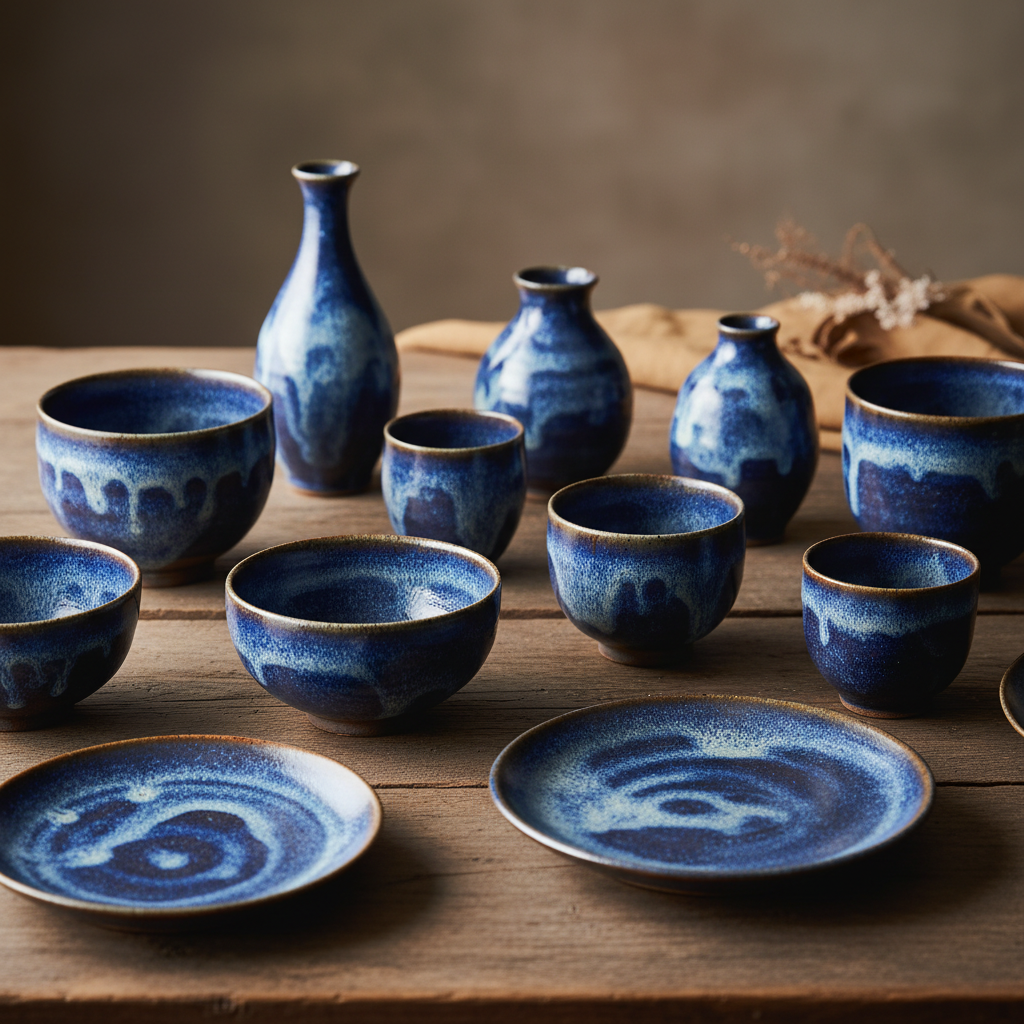

Complete Guide to Shirasawayaki (Akita Prefecture) | Thorough Explanation from History and Characteristics to Production Area Information and Purchase Methods
Shirasawayaki (白岩焼), a traditional ceramic ware handed down in Senboku City, Akita Prefecture, is a representative pottery of the Tohoku region with a history spanning over 200 years. Supported by many enthusiasts today due to its simple, warm aesthetic and high practicality, this article provides a thorough explanation of the charm of this traditional craft, from the history and characteristics of Shirasawayaki to production area information and purchase methods.
What is Shirasawayaki | Traditional Ceramic Ware Representing Akita Prefecture
Shirasawayaki is pottery produced in the Shirasawa district of Nishi-ki Town, Senboku City, Akita Prefecture. It is a historic pottery continuing from the late Edo period and is designated as a traditional craft of Akita Prefecture.
Basic Information about Shirasawayaki
- Production Area: Shirasawa district, Nishi-ki Town, Senboku City, Akita Prefecture
- Type: Pottery (stoneware)
- Founded: Around Bunka 1 (1804)
- Characteristic: Distinctive blue-green coloration from namako glaze (sea cucumber glaze)
- Designation: Traditional Craft of Akita Prefecture
Shirasawayaki is centered on practical vessels made from high-quality clay sourced locally and produced using traditional glaze techniques. A wide range of works is produced, from everyday tableware to tea ceremony utensils and flower containers.
History of Shirasawayaki | Lineage of Tradition Continuing for Over 200 Years
Founding in the Late Edo Period
The history of Shirasawayaki traces back to Bunka 1 (1804). It is said to have originated when Genjuro Suzuki, a disciple of Naotake Odano, an Akita clan samurai, began producing pottery in the Shirasawa district. At the time, the Akita clan was encouraging kiln industry as part of industrial promotion, and Shirasawayaki was born within this context.
Development in the Meiji and Taisho Periods
Entering the Meiji era, Shirasawayaki developed as an important regional industry. At its peak, multiple kilns were in operation, expanding production centered on household goods. It was distributed across a wide area of the Tohoku region and became beloved as vessels supporting the everyday lives of common people.
In particular, the distinctive blue-green coloration achieved using namako glaze (sea cucumber glaze) was highly evaluated and became synonymous with Shirasawayaki. This glaze technique, made from wood ash as the primary ingredient in the traditional composition, produces distinctive patterns through subtle temperature changes during firing.
Decline and Revival in the Showa Period
From the early to mid-Showa period, Shirasawayaki faced a crisis of decline, similar to traditional kiln industry production areas nationwide, due to the prevalence of inexpensive industrial products. Many kilns were forced to cease operations, and at one point, the tradition was pushed to the brink of extinction.
However, from the 1970s onward, as momentum for reconsidering traditional crafts grew, revival activities for Shirasawayaki began. Local ceramic artists devoted themselves to researching and inheriting traditional techniques, while also focusing on developing new designs suited to modern lifestyles.
Heisei and Reiwa Periods: The Present
Currently, the tradition of Shirasawayaki is maintained by a small number of kilns. Designated as a traditional craft of Akita Prefecture, it is protected and nurtured as a valuable cultural heritage of the region. Additionally, the entry of young artists and attempts at new expressions are evident, with the tradition continuing to evolve while being preserved.
Characteristics of Shirasawayaki | Distinctive Beauty and Practicality
Beauty of Namako Glaze (Sea Cucumber Glaze)
The greatest characteristic of Shirasawayaki is its distinctive coloration achieved through namako glaze. Namako glaze is a technique where blue-green glaze flows during firing to create patterns, named for its resemblance to the marine creature “sea cucumber.”
Characteristics of namako glaze:
- Blue-green base tone: Deep blue-green is fundamental
- Natural patterns: Accidental beauty born during firing
- One-of-a-kind: Uniqueness with no two patterns alike
- Warm texture: Pleasant, tactile feel that fits comfortably in hand
This glaze uses wood ash or straw ash as primary ingredients in traditional compositions, with each kiln maintaining its own unique formulas. As firing temperature and position within the kiln vary, different expressions emerge even with the same glaze.
High-Quality Local Clay
The clay used in Shirasawayaki is primarily sourced from the Shirasawa district and surrounding areas. This clay contains an appropriate amount of iron, giving a warm tone after firing. With fine particles and excellent plasticity, it is easy to shape and produces durable vessels.
Shaping Emphasizing Practicality
Due to its development as everyday tableware, Shirasawayaki is characterized by shaping that emphasizes practicality:
- Form fitting the hand: Design considering ease of handling
- Appropriate weight: Stable yet manageable
- Durable construction: Strength withstanding daily use
- Ease of use: Many pieces compatible with dishwashers and microwaves
Various everyday vessels are produced—rice bowls, plates, teacups, sake bottles, and bowls—with the charm that flavor increases the more they are used.
Inheritance of Traditional Techniques
Shirasawayaki production employs techniques passed down through generations:
- Clay preparation: Removing air from clay and making it uniform, an important step
- Shaping: Molding through wheel-throwing or hand-building
- Drying: Gradually removing moisture through natural drying
- Bisque firing: Primary firing at approximately 800 degrees
- Glazing: Applying traditional namako and other glazes
- Final firing: Firing at approximately 1200 degrees
- Kiln removal: Carefully removing after cooling
These steps require long experience and intuition, showcasing the skills of master craftsmen.
Production Area of Shirasawayaki | Shirasawa District, Senboku City, Akita Prefecture
Geography and Environment of the Production Area
The Shirasawa district of Nishi-ki Town, Senboku City, where Shirasawayaki is produced, is located in the eastern part of Akita Prefecture, southwest of Lake Tazawa. This mountainous region is blessed with abundant natural surroundings, high-quality clay, and plentiful water resources.
Access Information:
- Railway: Approximately 20 minutes by car from JR Akita Shinkansen “Kakunodate Station”
- Automobile: Approximately 40 minutes from “Omagari IC” on the Akita Expressway
- Airport: Approximately 1 hour 30 minutes by car from Akita Airport
Kilns and Workshops
Several kilns currently operate in the Shirasawa district. Each maintains the tradition while pursuing its own unique artistic style.
Many kilns accept workshop tours and pottery experience sessions, allowing visitors to observe the potting process or create vessels themselves. Advance reservations are usually required, so it is recommended to confirm before visiting.
Connection with the Region
Shirasawayaki is positioned as an important cultural resource for the region. Local elementary schools conduct lessons on the history of Shirasawayaki, with opportunities for children to experience pottery-making.
Additionally, Shirasawayaki is utilized in regional events and tourism promotion, becoming part of the region’s identity.
Types of Shirasawayaki and Representative Works
Everyday Tableware
The center of Shirasawayaki consists of practical dinnerware for daily life:
- Rice bowls: Fitting size and weight with beautiful namako glaze
- Teacups: Vessels enriching tea time with warmth
- Plates: From small to large, enhancing the presentation of dishes
- Bowls: Multi-purpose use such as salad bowls or cooking bowls
- Mugs: New forms suited to modern living
Sake Vessels
Since Akita is also a renowned sake-producing region, Shirasawayaki sake vessels are popular:
- Sake bottles (tokkuri): Enhancing the taste of Japanese sake
- Sake cups (guinomi): Small form fitting comfortably in hand
- Sake pourers (katakuchi): Convenient for pouring cold or warm sake
Tea Ceremony Utensils
Tea ceremony enthusiasts also appreciate Shirasawayaki tea utensils:
- Tea bowls: Beautiful contrast between matcha green and namako glaze’s blue-green
- Water vessels (mizusashi): Presence decorating the tea gathering
- Flower containers (hanaire): Suitable form for arranging tea flowers
Flower Vases and Interior Pieces
Works adding color to living spaces:
- Flower vases: From single-flower arrangements to large arrangements
- Incense burners (kouro): Vessels for enjoying fragrance
- Decorative objects: Both traditional motifs and contemporary designs
How to Purchase Shirasawayaki | Where Can You Buy?
Direct Purchase from Production Area
The most reliable purchase method is to visit the kilns directly. You can examine actual works and hear from the makers while purchasing. Most kilns sell works in galleries or sales spaces adjacent to their workshops.
Advantages:
- Choose from abundant selection
- Direct conversation with artists
- Workshop tours possible
- Custom orders and consultations available
Retailers within Akita Prefecture
Shirasawayaki is also handled by craft shops and souvenir stores throughout Akita:
- Samurai residence streets in Kakunodate: Craft shops in tourist areas
- Department stores in Akita City: Prefectural product sections
- Roadside stations (michi-no-eki): Sold as local products
- Akita Airport: Souvenir shops
Online Shopping
Online sales allow purchases from distant locations:
- Kiln official websites: Direct online shops
- Craft specialty e-commerce sites: Multiple artists’ works
- Hometown tax donation (furusato nozei): Available as Senboku City returns
Notes on Online Purchasing:
- Colors and textures may differ from actual products
- One-of-a-kind pieces arrive as photographed
- Attention to shipping and packaging
- Confirm damage-resistant packaging
Events and Exhibitions
Regular exhibitions and sales events offer purchase opportunities:
- Akita craft exhibitions: Held several times yearly
- Product fairs in Tokyo and major cities: Akita Prefecture fairs and others
- Pottery markets: May exhibit at nationwide pottery markets
- Artist solo exhibitions: Solo exhibitions at department stores
Using Shirasawayaki and Maintenance
Initial “Sealing” Before Use
Since pottery is porous, it is recommended to perform “sealing” before first use:
- Place vessel in water with rinsed rice or dissolved wheat flour
- Simmer gently for 15-20 minutes
- Let cool naturally, then rinse with water
- Allow to dry thoroughly
This treatment seals the vessel’s tiny pores, preventing dirt and stains.
Daily Maintenance
- Before use: Soak in water before use to prevent stains
- Washing: Gently clean with soft sponge
- Drying: Dry thoroughly after use
- Storage: Store in well-ventilated areas
Precautions
- Sudden temperature changes: Avoid (causes breakage)
- Microwave: Some pieces are compatible (confirmation needed)
- Dishwasher: Hand washing recommended for traditional pieces
- Direct heat: Generally not possible
- Prolonged soaking: Avoid (causes mold)
Joy of Development
Shirasawayaki gains deeper character the more it is used. As usage continues, unique “scenery” develops on the vessel, evolving into your personal piece. Enjoying this transformation is one of pottery’s attractions.
Pottery Experience with Shirasawayaki | Creating Your Own Vessel
Experience Content
Kilns in the Shirasawa district accept pottery experiences. Beginners can easily participate and create original works.
Main Experience Menus:
- Hand-building experience: Basic shaping technique using hands
- Wheel-throwing experience: Full-fledged shaping using electric wheel
- Painting experience: Drawing on bisque-fired vessels
- Glaze application experience: Choosing and applying glaze
Experience Flow
- Reservation: Reserve in advance by phone or email
- Explanation: Guidance on techniques and precautions
- Creation: Create pottery under instructor guidance (1-2 hours)
- Drying and firing: Dried and fired at kiln (several weeks)
- Receiving: Receive completed work by mail or in person
Fees and Duration
- Fee: Approximately 2,000-5,000 yen (depending on experience)
- Duration: 1-2 hours
- Time to completion: 1-2 months
- Shipping fee: Additional (if by mail)
Appeal of the Experience
- Joy of creation: Pleasure of working with clay
- Understanding traditional techniques: Seeing craftwork up close
- Original works: Vessels unique in the world
- Travel memories: Memento of an Akita trip
Shirasawayaki and Akita Culture
Position within Akita’s Craft Culture
Akita Prefecture has many traditional crafts besides Shirasawayaki:
- Kabazaiku (birch bark work): Traditional craft of Kakunodate
- Kawarenurushi (lacquerware): Lacquerware of Yuzawa City
- Odate magewappa (bent wood boxes): Woodwork of Odate City
- Akita cedar products: Crafts using Akita cedar
Shirasawayaki forms rich craft culture of Akita together with these crafts. Located near Kakunodate’s birch bark work, the two have influenced each other.
Connection with Regional Food Culture
Shirasawayaki vessels have supported Akita’s rich food culture. Used as serving pieces for regional dishes like kiritanpo, Inaniwa udon, shottsuru hot pot, and hatahata, they have colored dining tables.
The spirit of “local production for local consumption”—enjoying local ingredients in locally-made vessels—is cherished today.
Value as Tourism Resource
Shirasawayaki is also an important tourism resource for Akita Prefecture. Tourist routes combining kilns with attractions like Kakunodate’s samurai residences and Lake Tazawa are popular, with many visitors.
Pottery experiences and kiln tours are gaining attention as experiential tourism, with popularity among inbound tourists.
Present and Future of Shirasawayaki
Contemporary Challenges
While preserving tradition, Shirasawayaki faces several challenges:
- Shortage of successors: Training young ceramic artists is an issue
- Raw material procurement: Maintaining good clay sources
- Market changes: Demand fluctuations from lifestyle changes
- Recognition: Need for increased nationwide awareness
New Initiatives
Various efforts address these challenges:
Young artist cultivation:
- Pottery class operations
- Training system development
- Acceptance of newcomers
Design innovation:
- Contemporary design development
- Collaboration with young designers
- Proposing new uses
Market expansion:
- Strengthened online sales
- Overseas market development
- Cross-industry collaboration
Information dissemination:
- SNS-based information sharing
- Media exposure
- Active event participation
Balancing Tradition and Innovation
Shirasawayaki’s future depends on balancing tradition preservation and innovation. While maintaining techniques and aesthetic values passed down over 200 years, pursuing new expressions suited to modern living is required.
Young artists study traditional namako glaze techniques while challenging new glaze development and innovative forms. They also expand activities beyond traditional tableware into interior accessories and jewelry.
Creating Sustainable Production Areas
Regional efforts are essential for making Shirasawayaki’s production area sustainable:
- Preserving regional resources: Maintaining clay sources and firewood supply
- Coordinating with tourism: Positioning within regional tourism
- Educational collaboration: Inheriting traditional culture through school education
- Administrative support: Support through subsidies and systems
- Community formation: Strengthening networks among makers
Summary | Rediscovering the Charm of Shirasawayaki
Shirasawayaki is a precious cultural heritage of Akita Prefecture with a history spanning over 200 years. Its distinctive beauty from namako glaze, high practicality, and warmth created through handcraft continue to fascinate many.
In contemporary society overflowing with mass-produced uniform products, the value of handmade, one-of-a-kind pieces is being reconsidered. Shirasawayaki vessels become irreplaceable presences accompanying users’ lives, growing richer with time.
If you have the opportunity to visit Akita, please visit the kilns in the Shirasawa district. By holding actual works and hearing from makers, you can experience Shirasawayaki’s true charm. Pottery experiences also allow you to enjoy creating your unique original work.
Shirasawayaki is living craft continuing to evolve while preserving tradition. We hope this wonderful tradition is inherited by future generations and develops further. By incorporating Shirasawayaki vessels into our everyday dining tables, each of us can contribute to inheriting traditional crafts.
Shirasawayaki—beautiful and warm pottery nurtured by Akita’s rich natural environment and culture. Why not introduce this warmth into your life?