
Kanakake Ware (かんかけやき) Complete Guide | History and Characteristics of a Traditional Pottery Production Area in Kagawa Prefecture
What is Kanakake Ware?
Kanakake ware (かんかけやき) is a traditional ceramic pottery that has been handed down in Kokubunji Town, Takamatsu City, Kagawa Prefecture. It is one of Kagawa Prefecture’s representative ceramics, continuing from the late Edo period, and is known as a folk kiln characterized by its simple and warm aesthetic.
Kagawa Prefecture is a region blessed with a warm climate facing the Seto Inland Sea and abundant natural surroundings, but it is not well known as a pottery production area. However, Kanakake ware is a precious traditional craft that has been passed down over many years in this region.
The Origin of the Name Kanakake Ware
The name “Kanakake” (神懸) derives from the place name “Kanakake” of the region where this pottery is made. This area, corresponding to present-day Koku in Kokubunji Town, Takamatsu City, has long been known as a place where high-quality pottery clay can be extracted.
There are various theories about the origin of the place name, but the theory that it was named “Kanakake” because it was an area related to shrines and religious faith is most widely accepted. It is believed that the pottery was named Kanakake ware precisely because it was born in this sacred land.
History of Kanakake Ware
Origins: The Late Edo Period
The history of Kanakake ware dates back to the late Edo period, the Bunsei era (1818-1830). During this time, in Sanuki Province (present-day Kagawa Prefecture), demand increased for vessels and household goods for daily use.
According to historical records, local potters began producing everyday pottery using high-quality clay found around Kokubunji Town. Kanakake ware is said to have begun with this production. Utilizing trade routes through the Seto Inland Sea, artisans adopted techniques and knowledge from other production areas while nurturing a unique pottery culture.
Development: From the Meiji Period to the Early Showa Period
With the advent of the Meiji period, Kanakake ware developed as an important regional industry. During this period, multiple kilns operated and production of daily tableware increased.
Particularly from the mid-Meiji period through the Taisho period, products distributed not only throughout Kagawa Prefecture but also to neighboring prefectures, establishing the area’s position as a production region. Simple and practical vessels were widely used as indispensable items in the lives of ordinary people.
Decline and Revival
With the arrival of the Showa period, mass-produced ceramics through industrialization became widespread, and demand for handmade Kanakake ware gradually decreased. Many kilns were forced to close, and the tradition came close to disappearing entirely.
However, from the late Showa period into the Heisei period, momentum grew to reassess the value of traditional crafts. Revival activities for Kanakake ware began among local ceramic artists and devoted individuals, with research and transmission of traditional techniques advancing. Today, though small in number, committed creators continue to preserve the Kanakake ware tradition.
Characteristics of Kanakake Ware
Materials and Clay Quality
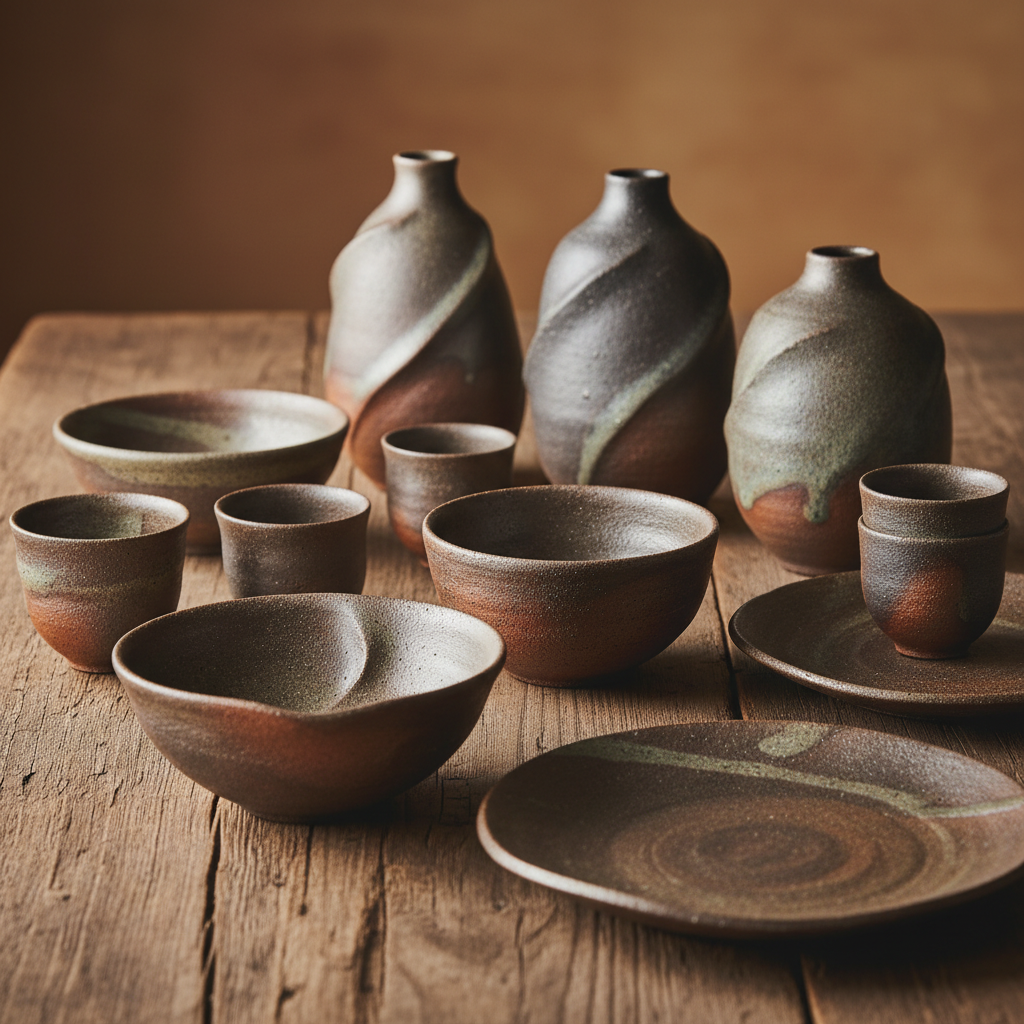
The greatest characteristic of Kanakake ware is its use of pottery clay extracted locally. The clay quarried from around Kokubunji Town is reddish-brown earth containing an appropriate amount of iron, and produces a warm color after firing.
This clay has excellent plasticity and is easy to shape. Additionally, the clay quality as it appears after firing becomes the expression of the work itself, creating a simple yet powerful aesthetic. The charm of Kanakake ware lies in how the beauty of the clay itself stands out without artificial decoration.
Glazes and Colors
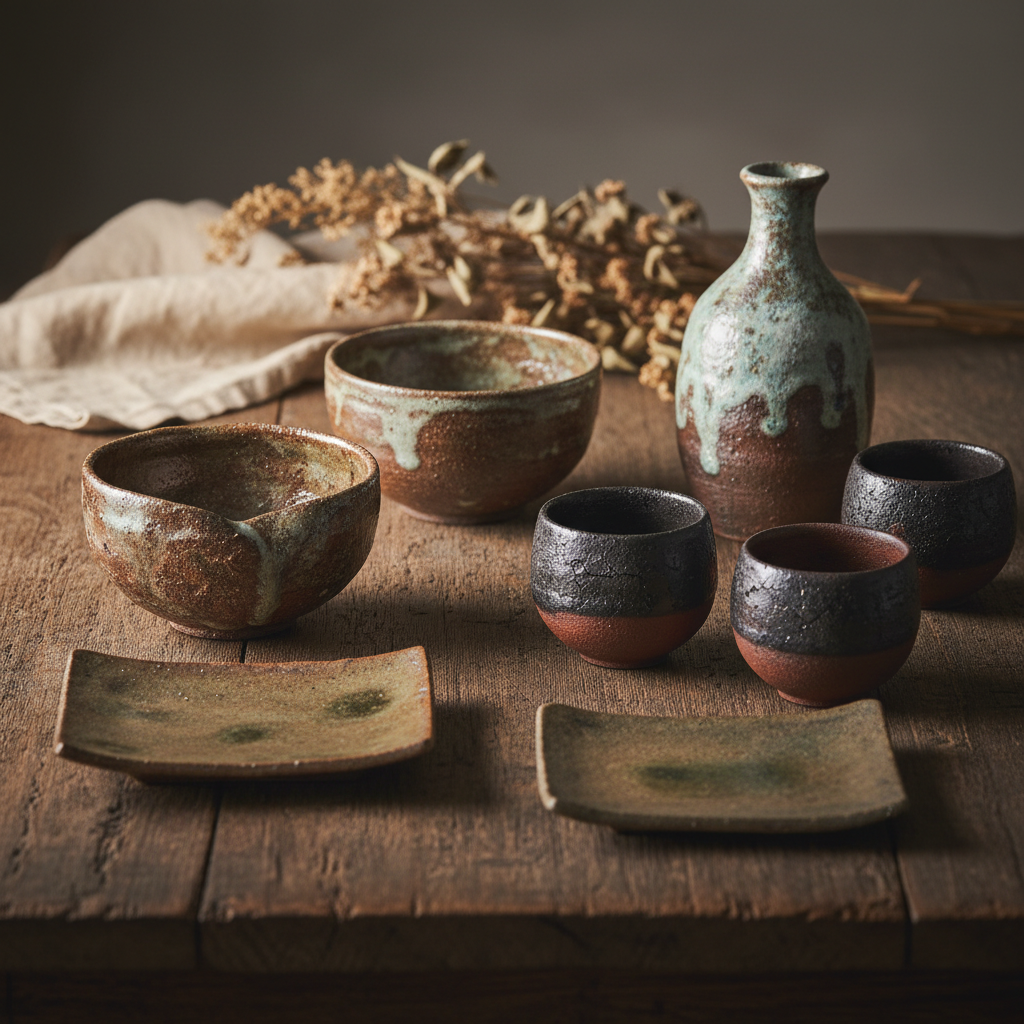
Kanakake ware has traditionally used natural glazes such as ash glaze and iron glaze. These glazes are made from materials containing wood ash or iron compounds, and their color subtly changes depending on firing temperature and kiln conditions.
Representative colors include subdued tones such as brown, amber, and dark brown. While not flashy, these pieces increase in character with use and are valued as vessels that allow one to enjoy aging. The natural patterns created by the way glaze is applied and firing conditions are also highlights of Kanakake ware.
Form and Design
Kanakake ware is fundamentally based on simple forms emphasizing practicality. The centerpieces are vessels used in daily life such as bowls, plates, basins, pots, and jars, with decoration kept to a minimum.
Many pieces have rounded shapes from wheel throwing, pursuing ease of handling and usability. Simple designs free from excessive decoration blend naturally into modern living and are being re-evaluated as vessels for long-term use.
Character as Folk Ware
Kanakake ware developed as folk kiln pottery making vessels for ordinary people, rather than as official kiln or court ware. Therefore, the main products are everyday pottery combining practicality and economy rather than high-end or display pieces.
This character as folk ware creates the simplicity and approachability of Kanakake ware. The unadorned beauty, ease of use, and durability are the intrinsic values of Kanakake ware as practical pottery.
The Manufacturing Process of Kanakake Ware
Raw Material Extraction and Refinement
The production of Kanakake ware begins with extracting the clay that serves as its raw material. Traditionally, soil excavated from mountains around Kokubunji Town has been used.
The extracted soil undergoes a process called “water separation” (水簸, suihi) in which stones and impurities are removed and the earth is dissolved in water and allowed to settle. Through this process, fine-grained and uniform clay is obtained. The refined clay is then mixed with appropriate water content and adjusted to a state suitable for shaping.
Shaping
Kanakake ware shaping primarily uses wheel-throwing techniques. Skilled potters lift clay on a rotating wheel to create shapes such as bowls and plates.
Besides wheel throwing, hand-building and mold-forming are also employed. Large vessels such as pots and jars sometimes use the traditional “coil-building” technique, in which rope-like clay is stacked.
After shaping, the vessel is allowed to dry gradually to reduce moisture. This drying process is important for preventing cracking during firing.
Bisque Firing
Once drying is complete, the vessel undergoes bisque firing. Bisque firing is a process of firing at relatively low temperatures of 700-800 degrees to harden the clay and make it easier for glaze to adhere.
After bisque firing, the vessel becomes porous, increasing the glaze’s adhesive properties. The vessel’s strength also increases at this stage, making subsequent work easier.
Glazing
After bisque firing, glaze is applied to the vessel. Kanakake ware has traditionally used techniques such as “ladle application” using a dipper or “dipping” where the vessel is immersed in glaze.
The vessel’s final appearance changes greatly depending on how the glaze is applied. Thicker application results in darker color; thinner application creates lighter tones. Adjusting the area and method of glaze application can also create various decorative effects.
Final Firing
Once glazing is complete, the vessel undergoes its final firing. Vessels loaded into the kiln are fired at high temperatures of 1200-1300 degrees. This high-temperature firing causes the clay and glaze to melt and react, creating hard and durable pottery.
Firing takes considerable time, and the final result changes greatly depending on how temperature increases and whether the kiln atmosphere is oxidizing or reducing. Experienced potters aim for ideal results based on years of experience and intuition.
Vessels removed from the kiln are cooled slowly, inspected, and completed.
Kanakake Ware’s Position in Kagawa Prefecture
Kagawa Prefecture’s Pottery Production Areas
While not considered a major pottery production area nationally, Kagawa Prefecture has several pottery traditions beyond Kanakake ware.
Rihei ware (理平焼) developed as an official kiln of the Takamatsu domain, achieving high technical standards centered on tea ceramics. Shido ware (志度焼) also continues a traditional pottery from the Edo period.
Among these ceramics, Kanakake ware is characterized by its role as folk ware creating vessels rooted in ordinary people’s lives. Its development history as everyday practical pottery rather than high-end tea ceramics has shaped Kanakake ware’s individuality.
Connection with Regional Culture
Kanakake ware has deep connections with Kagawa’s food culture. For many years, it has graced dining tables as a vessel for Sanuki udon and other regional Kagawa cuisine.
The simple and warm quality of Kanakake ware vessels suits Kagawa’s simple food culture well. Additionally, the property of increasing in character with use makes it ideal as a daily-use vessel.
Kanakake ware vessels appear in regional festivals and events, becoming embedded in regional culture.
Value as a Tourist Resource
In recent years, Kanakake ware has received attention as a tourist resource in Kagawa Prefecture. More visitors interested in traditional crafts and pottery enthusiasts are visiting production areas.
Some kilns accept workshop tours and pottery experience classes, allowing visitors to observe the manufacturing process or make vessels themselves. Such experiential tourism contributes to traditional craft promotion and successor cultivation.
Local museums and archives also display historically significant Kanakake ware works, where visitors can learn about its development.
Kanakake Ware in the Modern Era
Current Kilns and Artisans
Unfortunately, very few kilns currently produce Kanakake ware. While multiple kilns operated during peak periods, many have closed with changing times.
However, the technique of Kanakake ware is carried forward by a small number of kilns and ceramic artists dedicated to preserving tradition. These creators continue efforts to maintain traditional techniques while producing new designs suited to modern living.
Fusion of Tradition and Innovation
Contemporary Kanakake ware artists work to create vessels for modern lifestyles while valuing traditional techniques and materials.
For example, in addition to traditional brown glazes, new glaze colors are being developed and contemporary designs are being created. Highly practical vessels compatible with microwaves and dishwashers are also being produced.
These innovative efforts are important not only for preserving tradition but also for conveying Kanakake ware’s appeal to new generations.
Challenges in Successor Development
Like many traditional crafts, Kanakake ware faces a shortage of successors. Ceramic work requires long periods for skill development and presents economic challenges.
In response, local government and cultural organizations are implementing support measures. Various initiatives are underway, including pottery classes, support for young artists, and market development.
Systems for accepting young people interested in ceramics and those wishing to relocate and learn pottery are also being established. Through these efforts, the tradition of Kanakake ware is expected to be passed to future generations.
The Appeal and Value of Kanakake Ware
Harmony of Practicality and Beauty
Kanakake ware’s greatest appeal is the high-level harmony between practicality and beauty. Given its history of being made for daily use, its form is hand-fitting, its size is practical, and its construction is durable.
Simultaneously, it possesses aesthetic value in its simple yet beautiful clay quality, natural glaze expression, and the beauty of its simple form. Kanakake ware is a vessel that brings comfort to the heart with each use.
Individuality of Each Piece
Handmade Kanakake ware has subtle individual character in each piece. The clay’s expression, how the glaze is applied, and color changes from firing mean no two pieces are identical.
This individuality is the charm of handmade vessels. The pleasure of selecting one unique piece and the joy of enjoying its changing expression as it is used are experiences unavailable from mass-produced items.
Beauty of Aging
Kanakake ware vessels increase in character with use. Daily use creates a unique patina on the vessel’s surface, and colors deepen.
This aging is sometimes called “cultivating a vessel.” The process of watching a vessel develop into one uniquely your own through years of use is a distinctly Kanakake ware experience.
Scratches and chips become part of the vessel’s history and individual character. The culture of continuing careful use through repair techniques such as kintsugi elevates Kanakake ware’s value.
Locality and Narrative Quality
Kanakake ware vessels concentrate the history and culture of Kagawa Prefecture. Vessels made with local clay using regional traditional techniques carry meaning beyond that of mere tools.
Using these vessels connects one to Kagawa’s landscape, history, and the creator’s intentions. This narrative quality makes Kanakake ware vessels special.
How to Purchase and Enjoy Kanakake Ware
Where to Purchase
There are several ways to purchase Kanakake ware.
Direct from Kilns
Kilns producing Kanakake ware allow direct purchase of works. Direct conversation with creators while selecting vessels is an enjoyment unique to kilns. You can hear explanations of the production process and receive advice on vessel use.
Craft Shops and Galleries
Craft shops and galleries in Kagawa Prefecture also carry Kanakake ware. The advantage is being able to compare works by multiple artists.
Online Shops
Recently, more kilns and craft shops have established online stores. People living far away can now purchase Kanakake ware through the internet.
Events and Exhibitions
Kanakake ware is sometimes sold at craft events and exhibitions held in Kagawa Prefecture. These are opportunities to meet artists directly and expand vessel selection enjoyment.
How to Choose Vessels
When selecting Kanakake ware, consider these points.
Consider Purpose
First, think about how you want to use it. There are appropriate shapes and sizes for different purposes such as rice bowls, soup bowls, plates, and basins.
Handle and Examine
When possible, hold the vessel to check its weight and feel. How comfortably it fits in your hand and how it feels against your lips are important.
Color and Expression
Each Kanakake ware piece has a unique expression. Choose one matching your preferences by observing glaze color and application, and clay appearance.
Size Confirmation
Choose appropriate sizes by imagining actual use scenarios. Oversized or undersized vessels become difficult to use.
Usage and Care
Getting Started
Before first use of new Kanakake ware, a process called “seasoning” is recommended. Boiling in rice washing water or water with dissolved flour seals the vessel’s fine pores, preventing stains and discoloration.
Daily Use
Kanakake ware was made for daily use, so normal use is fine. However, avoid sudden temperature changes. Warming the vessel to room temperature before serving hot food is advisable.
Washing
After use, wash gently with soft sponges and mild detergent. Abrasive cleansers or hard brushes can damage the surface.
Storage
After washing, dry thoroughly before storing. Storage in humid places can cause mold. Store in well-ventilated locations.
For Long-Term Use
Kanakake ware vessels can be used for decades with proper care. Chipped or broken pieces can be repaired using kintsugi and similar techniques. Repair marks can be enjoyed as part of the vessel’s character.
A Culture of Enjoying Vessels
Using Kanakake ware vessels means not just eating but also “cultivating” the vessel. Observe and enjoy the changing expression as you use it daily, developing a dialogue with the vessel.
By selecting vessels to match seasons and dishes, mealtimes become richer. Simple Kanakake ware vessels match any cuisine and enhance the food’s colors and forms.
Kanakake Ware and Kagawa Culture
Harmony with Sanuki Food Culture
Kagawa Prefecture is known as “Udon Prefecture” for its simple and unadorned food culture centered on Sanuki udon. The simple Kanakake ware vessels harmonize extremely well with this Sanuki food culture.
Brown Kanakake ware bowls holding white udon, plates displaying fresh Seto Inland fish, and basins of seasonal vegetables—Kanakake ware vessels have long served as fine supporting actors highlighting Sanuki cuisine.
The Seto Inland Environment
Facing the Seto Inland Sea with its warm and calm climate, Kagawa Prefecture’s serene environment has nurtured Kanakake ware’s simple and warm character.
The beautiful Seto Inland landscape, the islands, and calm sea influence ceramic artists’ creative activities. Kanakake ware vessels quietly contain the spirit of the Seto Inland environment.
Connection with Regional Community
Kanakake ware kilns and artists are deeply connected to their regional communities. They participate in local festivals and events, offer pottery classes, and conduct school workshops in various forms of community contribution.
Through these activities, Kanakake ware remains familiar to local people. As traditional crafts rooted in the community, they will continue supporting Kagawa culture.
The Future of Kanakake Ware
Tradition Succession
When considering Kanakake ware’s future, the most important factor is inheriting traditional techniques. Ensuring long-cultivated techniques and knowledge transfer to the next generation is key to the production area’s survival.
Currently, technology transmission from veteran ceramic artists to younger practitioners is progressing. Efforts to preserve techniques through recorded video and technical publications are also underway.
Creating New Value
Beyond protecting tradition, creating new value is essential. Contemporary designs suited to modern lifestyles, new glaze development, and collaborations across industries are being pursued.
For example, collaborations with cafes and restaurants increase opportunities for Kanakake ware use. Expansion beyond traditional frameworks, such as interior decoration applications, is also being explored.
Information Sharing and Branding
Using SNS and websites to communicate information is important to Kanakake ware’s future. Sharing product appeal, production processes, and creators’ thoughts broadly attracts new fans.
Elevating brand value as “Kagawa traditional crafts” also supports regional development. Efforts to position Kanakake ware as Kagawa’s tourism and cultural resource are anticipated.
Creating a Sustainable Production Area
For Kanakake ware’s production area to be sustainable, establishing an economic foundation is necessary. Work is needed on creating environments where creators can continue stable artistic activity, ensuring appropriate pricing, and securing stable sales channels.
Support systems for the entire production area through collaboration with regional administration, chambers of commerce, and tourism associations are being developed.
Conclusion: Passing Kanakake Ware’s Appeal to the Next Generation
Kanakake ware is a traditional ceramic that Kagawa Prefecture treasures, inherited from the Edo period to the present. It possesses many appeals including its simple and warm aesthetic, high practicality, and increasing character with use.
Though the production area has become smaller, the technique and spirit of Kanakake ware continue living through the efforts of creators maintaining tradition. New challenges adapted to contemporary lifestyles are being undertaken, with pottery creation fusing tradition and innovation advancing.
Holding a Kanakake ware vessel and using it daily connects one to Kagawa’s history, culture, and the creator’s intentions. Carefully using each thoughtfully-made vessel and passing it to future generations is connected to protecting and nurturing this precious traditional craft.
If you have occasion to visit Kagawa Prefecture, please visit Kanakake ware kilns and craft shops. Actually holding vessels and hearing creators’ stories allows deeper understanding of Kanakake ware’s appeal. Find a favorite piece and incorporate it into daily living. Simple and warm Kanakake ware vessels will surely enrich your dining table.
Throughout Japan, many regional traditional crafts like Kanakake ware exist. Understanding these traditions developed by each region’s landscape and history, using them, and passing them forward to future generations is cultural transmission activity anyone can do.
May the story of Kanakake ware, a small Kagawa production area, become an opportunity to reconsider the value of Japan’s traditional crafts overall.