What is Hannō Ware? The History, Characteristics, and Story of Revival of Saitama’s Pottery Production Area
Hannō ware (はんのうやき), produced in Hannō City, Saitama Prefecture, is pottery that flourished from the late Edo period through the Meiji era, and is a special ceramic that once ceased production but has been revived in modern times. This article provides a detailed explanation of the historical background of Hannō ware, the characteristics of traditional techniques, and its development from revival during the Showa period to the present day.
History of Hannō Ware and Background as a Production Area
Hannō Ware from the Late Edo Period through the Meiji Era
The origins of Hannō ware are believed to date back to around 1832 (Tenpō 3). During the Edo period, Hannō City in Saitama Prefecture flourished as a forestry town serving as a collection point for Nishikawa lumber, while simultaneously developing as a pottery production center. The area surrounding Hannō City was abundantly supplied with high-quality pottery clay, and timber for fuel was readily available, providing ideal regional conditions for pottery production.
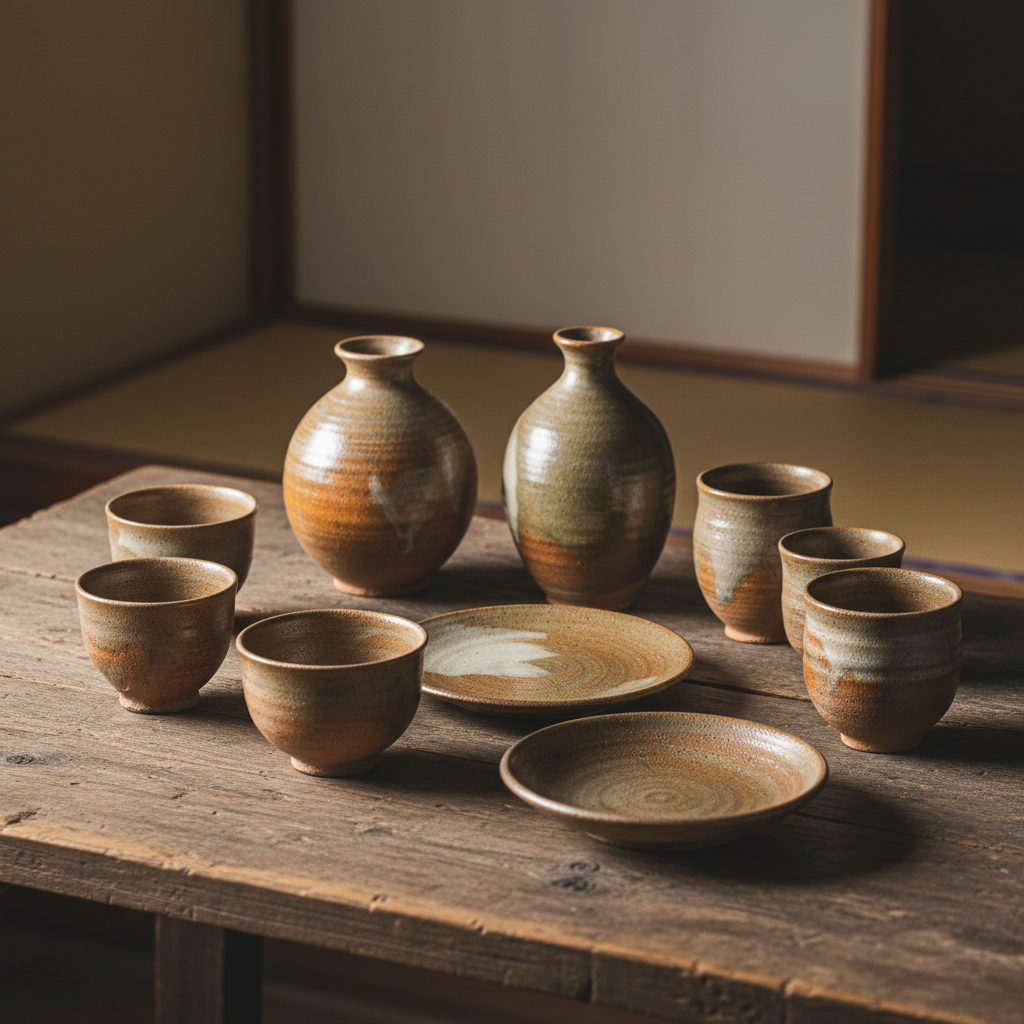
During the late Edo period, Hannō produced a wide range of items for daily use, from everyday tableware to tea ceremony implements. Production was primarily centered on practical pottery meeting local demand, and according to surveys by the Hannō City Board of Education, excavated kiln sites have yielded diverse vessel types including bowls, plates, sake bottles, and jars.
Decline and Cessation of Hannō Ware
The wave of modernization following the Meiji Restoration had a significant impact on Hannō ware. Production of Hannō ware is said to have ceased around 1887 (Meiji 20). Contributing factors include the influx of ceramics from other production areas due to improved transportation networks and the decline in pottery craftspeople due to structural changes in industry.
Thus, Hannō ware was buried in history for approximately 90 years. However, after this long period of absence, Hannō ware would go on to achieve a remarkable revival.
Revival of Hannō Ware and Its Transmission to Modern Times
Revival Movement in the 1970s
In 1975 (Showa 50), revival of Hannō ware began through the efforts of Hideo Torazawa. Torazawa conducted extensive research on Edo period Hannō ware, and through analysis of excavated ceramic fragments, successfully deciphered and revived the techniques of that era. This revival was not merely a reproduction, but rather incorporated new forms of expression adapted to modern lifestyles while maintaining traditional techniques as its foundation.
Development through Multiple Kilns
In 1983 (Showa 58), Michio Kishi opened the Hannō Kiln. Kishi is committed to using Hannō clay and employs ash from grasses and trees native to Hannō for glazes, pursuing thorough localism. This stance of maximizing the use of regional natural resources inherits the spirit of Edo period Hannō ware.
Currently, kiln operators including Masumi Torazawa continue to produce Hannō ware incorporating their own unique expressions and techniques, creating works that fuse tradition with innovation.
Characteristics and Techniques of Hannō Ware
Traditional Techniques of the Edo Period
The greatest characteristic of Edo period Hannō ware is the technique of applying white slip decoration to clay rich in iron. This technique created a contrast between the reddish-brown body and white patterns, producing vessels with a simple yet striking appearance.
The technique known as itchin drawing is the signature decorative method of Hannō ware. White clay is painted onto and applied to the vessel surface, then fired, creating three-dimensional and warm patterns. Floral and geometric designs created through itchin drawing became important visual characteristics of Hannō ware.
Uniqueness of Modern Hannō Ware
Modern Hannō Kiln maintains traditional techniques while actively incorporating kiln operators’ unique expressions and methods. Particularly noteworthy are the original glazes developed by the kiln operators.
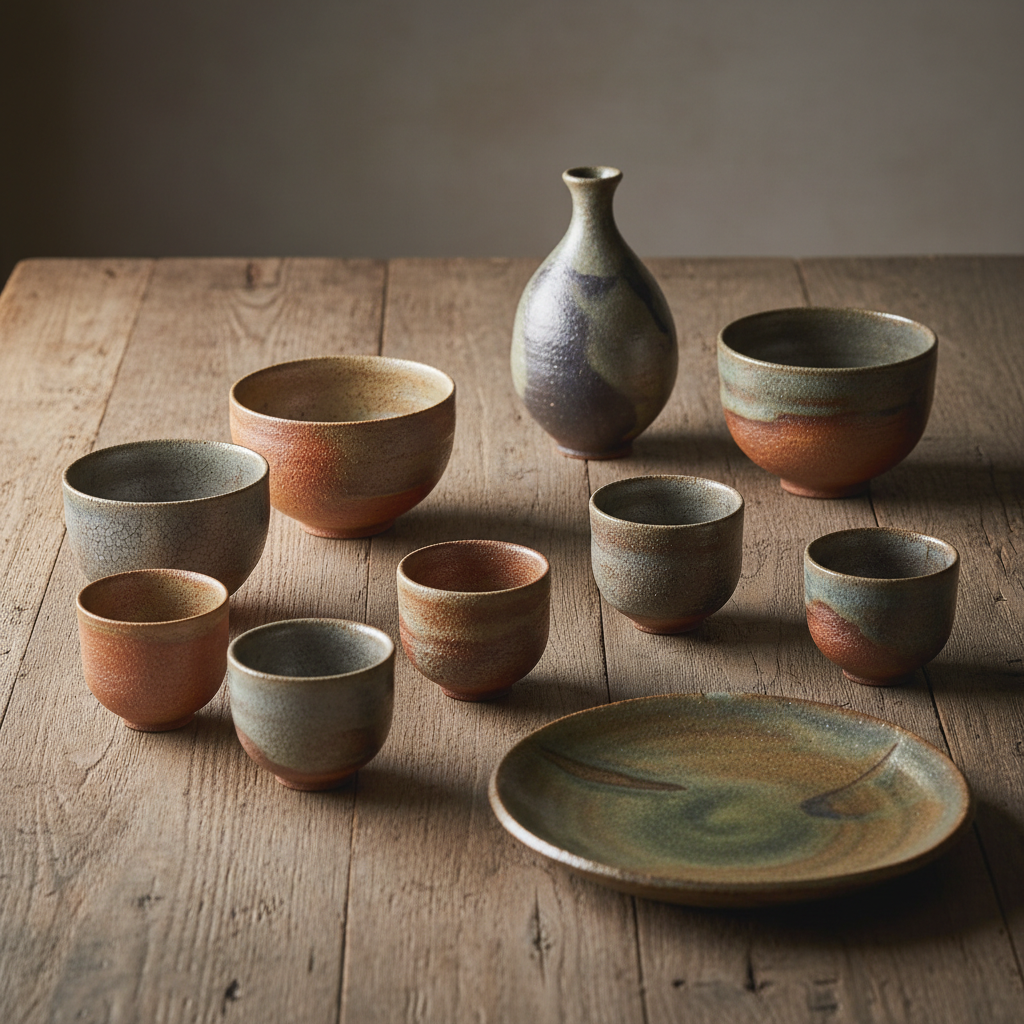
Suiseisei is a glaze imagining the color of a deep lake, characterized by transparent blue-green tones. While based on celadon glaze tradition, Hannō Kiln’s unique formulation achieves a deep color tone.
Turkish Blue is a vibrant blue glaze imagining the color of sky. The bright and refreshing tone expresses the new charm of Hannō ware suitable for contemporary dining tables.
These glazes are characteristic of Hannō Kiln and reflect contemporary aesthetic sensibilities distinct from traditional Hannō ware.
Commitment to Materials
Contemporary Hannō ware creators maintain commitment to regional materials. Pottery clay extracted from the Hannō area is rich in iron and produces a distinctive color after firing. Some kilns also use wood ash from Hannō’s natural environment as raw material for glazes, strongly embodying the character of “ceramics born from Hannō’s soil and nature.”
Products and Uses of Hannō Ware
Everyday Tableware
Hannō ware production focuses on tableware suitable for daily use. An abundant selection of items including rice bowls, tea cups, plates, and bowls for everyday dining tables is available. While emphasizing practicality, Hannō ware vessels possess the warmth and individuality of handmade pieces, becoming treasured items that grow more cherished with use.
Tea Ceremony Implements and Craft Works
Since the Edo period, Hannō ware has been produced as tea ceremony implements, and continues to produce tea bowls, water vessels, and flower containers. Tea implements created using traditional techniques are appreciated in the world of tea ceremony.
Additionally, craft pieces such as flower vases, incense burners, and decorative objects are produced, offering works to be enjoyed as interior décor.
Recognition as DÄINE Brand
Hannō City operates the regional brand “DÄINE” (Daine), with Hannō ware recognized as one of its approved products. The DÄINE brand is part of efforts to communicate Hannō’s appeal, with Hannō ware positioned as the region’s representative craft.
Hannō ware sold as approved brand products has guaranteed quality and regionality, being recognized as products embodying Hannō’s tradition and contemporaneity.
Where to Purchase Hannō Ware and How to Obtain It
Direct Purchase from Kilns
The most reliable way to purchase Hannō ware is to visit kilns directly. Multiple kilns exist within Hannō City, allowing for direct viewing and selection of works. At kilns, one can learn about the background and creative process of works through dialogue with artisans, achieving a deeper understanding of Hannō ware’s appeal.
Information about major kilns can be confirmed on the Hannō City Tourism Association and Hannō Chamber of Commerce and Industry websites. It is recommended to contact kilns in advance before visiting.
Local Retail Shops
Hannō ware is also handled by souvenir shops and craft shops within Hannō City. Shops near Hannō Station and near tourist attractions allow for comparing works from multiple kilns while selecting.
Hannō ware is also sold at events and product exhibitions held by Hannō City, providing opportunities for direct interaction with artisans.
Online Purchase
Some kilns sell their works through online shops. This is a convenient method for obtaining Hannō ware from distant locations, but since actual pieces cannot be seen, it is important to confirm size and color beforehand.
Pottery Experience and Learning with Hannō Ware
Pottery Classes and Experience Programs
Some kilns within Hannō City offer pottery experiences and classes. Programs for beginners allow learning of basic techniques including wheel throwing, hand-building, and decoration.
The joy of having one’s self-created piece fired is extraordinary, and experiencing the creative process of Hannō ware deepens understanding and appreciation of pottery.
Hannō Ware as Regional Culture
Hannō ware occupies an important position as a regional cultural resource. The Hannō City Board of Education continues research and survey of Edo period kiln sites, with ongoing efforts to clarify the techniques and lifestyles of the period from excavated ceramic fragments and kiln tools.
Hannō ware is also addressed in local school education, serving as teaching material for children to learn about regional history and culture.
Hannō as a Ceramic Production Area in Saitama Prefecture
Ceramic Production Areas in the Kanto Region
The Kanto region includes renowned ceramic production areas such as Mashiko ware (Tochigi Prefecture) and Kasama ware (Ibaraki Prefecture), but Hannō ware possesses a unique history among them. The fact that a once-ceased kiln was revived distinguishes it from other production areas.
Within Saitama Prefecture, besides Hannō ware, Ōtaki ware and Imado ware are known, but as a production area where active creation continues, Hannō ware represents an important presence.
Future and Possibilities of Hannō Ware
Modern Hannō ware, approximately 50 years after revival, possesses two directions: the inheritance of tradition and the pursuit of new expression. The coexistence of works faithfully reproducing Edo period techniques and pieces incorporating contemporary sensibilities has made Hannō ware supported by a broad audience.
Young ceramic artists are entering the world of Hannō ware, with new perspectives on creative work anticipated. As sustainable pottery production utilizing regional resources, Hannō ware holds potential for continued development.
Regional Charm Surrounding Hannō Ware
Tourism Resources of Hannō City
Hannō City, while located about one hour from central Tokyo, is a region blessed with abundant nature. Natural landscapes including the Oku-Musashi Mountains, the pristine waters of the Naguri River, and Tenran Mountain attract many tourists.
When visiting Hannō ware kilns, combining the visit with hiking and hot springs while enjoying these natural landscapes creates a more enriching experience.
Connection with Nishikawa Lumber
Hannō City is known as a forestry town continuing since the Edo period, producing high-quality timber under the “Nishikawa lumber” brand. The region’s timber has been used as fuel for Hannō ware kilns, with forestry and pottery production sharing deep connections.
The tradition of local industry utilizing natural materials such as wood and clay is inherited in contemporary Hannō ware.
Collecting and Appreciating Hannō Ware
Value of Edo Period Hannō Ware
Ancient Hannō ware produced from the Edo through Meiji periods is currently treated as precious cultural property. Excavated and transmitted pieces are sometimes displayed at facilities such as the Hannō Municipal Local Museum, serving as valuable materials for understanding the period’s techniques and aesthetic sensibilities.
Among collectors, old Hannō ware attracts attention, with its simple taste and historical value appreciated.
Contemporary Works by Artists
Works by contemporary Hannō ware artists are appreciated not only as traditional crafts but also as contemporary ceramic art. Works reflecting each artist’s individuality provide both the pleasure of use and the enjoyment of appreciation.
Works exhibitions and solo exhibitions held regularly allow viewing of latest creations and tracking of artists’ growth and new endeavors.
Hannō Ware and Other Saitama Crafts
Traditional Crafts of Saitama Prefecture
Saitama Prefecture features diverse traditional crafts beyond Hannō ware. Kasuga paulownia tansu chests, Iwatsuki dolls, Chichibu meisen silk, and other locally-rooted crafts are transmitted in each region.
These crafts demonstrate the rich cultural foundation of Saitama Prefecture, with Hannō ware playing a role as one part of this heritage.
Positioning in Regional Brand Strategy
Through the DÄINE brand, Hannō City works to enhance the value of regional products, with Hannō ware as one of its core offerings. Hannō ware, embodying regional history and culture, serves an important role as a tourism resource.
Within regional brand strategy, Hannō ware functions not merely as a craft, but as a medium communicating Hannō’s narrative.
Production Process of Hannō Ware
From Clay Preparation to Forming
Production of Hannō ware begins with selection of high-quality pottery clay. Iron-rich clay extracted from the Hannō area is freed of impurities, mixed with appropriate moisture, and kneaded. After a clay maturation period, the clay is shaped through wheel throwing or hand-building.
After forming, the piece is thoroughly dried before bisque firing. Bisque firing hardens the vessel, enabling the next stage of decoration.
Decoration and Glaze Application
In traditional Hannō ware, after bisque firing, decoration through itchin drawing is applied. The technique of drawing patterns on the vessel surface by squeezing white clay from a thin tube requires skilled technique.
After decoration, glaze is applied to the vessel. Depending on the artwork’s concept, glazes are selected from original ones such as suiseisei or Turkish blue, or traditional ash glazes.
Final Firing and Finishing
Vessels with applied glaze are fired at high temperature within the kiln. The glaze’s color development and texture vary depending on firing temperature and atmosphere, making kiln firing an important stage testing the ceramic artist’s experience and intuition.
After firing, the vessel is removed from the kiln, cooled, inspected, and completed. Each piece of handmade Hannō ware possesses a uniqueness with no identical duplicates.
Conclusion: The Appeal of Hannō Ware and Future Prospects
Hannō ware is pottery representing Hannō City, Saitama Prefecture, flourishing from the late Edo period through the Meiji era, ceasing production, and reviving in the Showa 50s. While inheriting traditional techniques of applying white slip decoration to iron-rich clay, it has developed contemporary glazes such as suiseisei and Turkish blue, creating works fusing tradition and innovation.
Contemporary Hannō ware, with multiple kilns continuing production while each expresses individuality, possesses unique value as ceramics born from Hannō’s soil and nature, utilizing regional natural resources. A wide range of products from everyday tableware to tea ceremony implements and craft pieces are produced, recognized under the DÄINE brand.
When visiting Hannō City, one can more deeply experience the appeal of Hannō ware by visiting kilns to directly view works or participating in pottery experiences. The story of Hannō ware—where once-ceased tradition has been revived in contemporary times and continues to develop while acquiring new forms of expression—holds special significance among Japan’s ceramic production areas.
Hannō ware, continuing the inheritance of tradition and new challenges, deserves continued attention. As a ceramic production area of Saitama Prefecture and a bearer of regional culture, Hannō ware will undoubtedly continue to be cherished by many people.