What is Ōtaki Ware? A Comprehensive Explanation of the History, Characteristics, and How to Purchase this Traditional Ceramic from Chiba Prefecture
“Ōtaki Yaki” (大多喜焼), born in Ōtaki Town, Isumi County, Chiba Prefecture, is a traditional craft with unique history and charm, though it is not widely known as a ceramic production center in the Kanto region. This article provides a detailed explanation of Ōtaki Ware, from its origins to the present day, its characteristics, manufacturing methods, and how to purchase it.
The History and Background of Ōtaki Ware
The Origins of Ōtaki Ware
The history of Ōtaki Ware dates back to the Edo period. Ōtaki Town in Isumi County, Chiba Prefecture, was once a castle town that flourished as the administrative center of Ōtaki Domain, and ceramic production began here against the backdrop of the region’s abundant ceramic clay and water resources.
The area around Ōtaki Town is located in the central part of the Boso Peninsula and is blessed with geological conditions suitable for extracting high-quality clay. Additionally, abundant water from the Yoro River water system and fuel resources such as firewood from the surrounding mountains provided an environment ideal for pottery industry development.
Development from the Edo Period to the Meiji Period
During the Edo period, under the patronage of Ōtaki Domain, pottery production centered on everyday utensils was conducted. The Ōtaki Ware of that time primarily produced household items for local residents, such as jars (kamae), vases, mortars, and sake bottles.
With the arrival of the Meiji period, the production system changed with the tide of modernization. However, due to competition from other large-scale ceramic production centers and changes in lifestyle, production of Ōtaki Ware gradually declined.
Ōtaki Ware in Modern Times
From the Showa to Heisei periods, Ōtaki Ware faced a crisis of decline. However, through efforts to preserve regional traditional culture and revival attempts by individual artists, production continues on a small scale in modern times.
Contemporary Ōtaki Ware preserves traditional techniques while also taking on aspects suited to modern lifestyles and as artistic works.
Characteristics of Ōtaki Ware
The Ceramic Clay Used
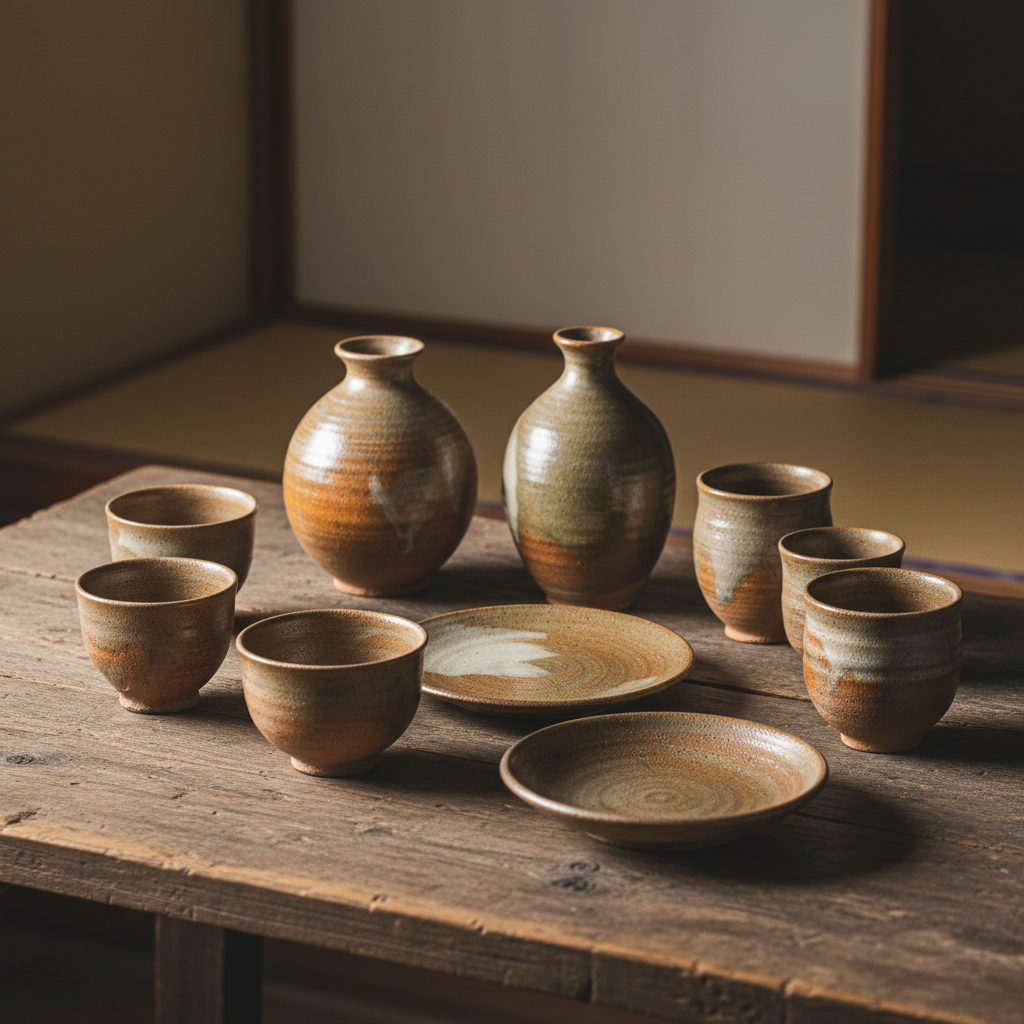
The greatest characteristic of Ōtaki Ware is the use of ceramic clay extracted locally. The clay found around Ōtaki Town is reddish-brown in color and contains iron, producing a unique warm hue after firing.
This clay has excellent plasticity and is easy to shape. Additionally, it fires to a hard finish and can produce durable vessels.
Glazes and Colors
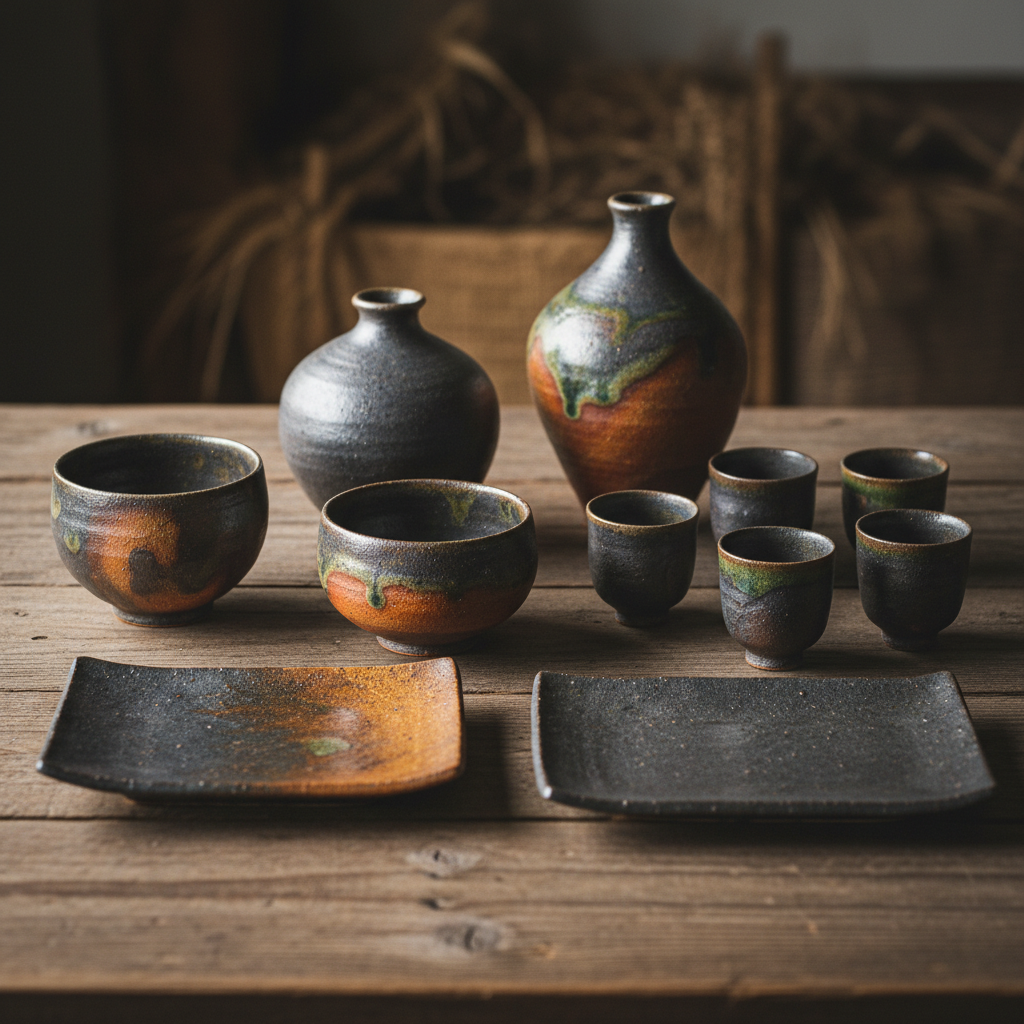
Traditionally, Ōtaki Ware has employed ash glaze and iron glaze. Ash glaze is a glaze made primarily from wood ash, and depending on firing temperature and kiln atmosphere, displays various appearances from greenish to amber tones.
Works using iron glaze exhibit deep tea-brown or dark brown colors, giving a simple yet powerful impression. These glazes, utilizing local materials, create the unique character of Ōtaki Ware.
Design and Use
Traditional Ōtaki Ware is characterized by practical design with restrained decoration. Emphasis is placed on functionality as everyday-use vessels, and simple forms without excess are commonly seen.
Main products include the following:
- Everyday utensils: rice bowls, plates, bowls, tea cups, etc.
- Storage containers: jars, vases, water vessels, etc.
- Cooking utensils: mortars, graters, etc.
- Alcoholic beverage vessels: sake bottles, sake cups, etc.
Contemporary works by artists incorporate modern design and artistically sophisticated pieces while utilizing traditional techniques.
The Manufacturing Method of Ōtaki Ware
Clay Extraction and Refining
The production of Ōtaki Ware begins with the extraction of high-quality ceramic clay. The extracted clay is purified of impurities and kneaded with appropriate water. This process is called “clay kneading” and is an important task that removes air from the clay and produces uniform ceramic material.
Forming Techniques
Ōtaki Ware employs the following forming techniques:
Wheel forming: A technique where clay is shaped on a rotating wheel, utilizing centrifugal force to form vessels. Suitable for round vessels such as rice bowls, tea cups, and plates.
Hand-building: A technique that forms clay without using a wheel. It allows creation of freely designed forms and is suited to one-of-a-kind artwork production.
Slab forming: A technique where clay is flattened into a sheet and formed according to a mold. Used for flat plates and angular vessels.
Drying and Bisque Firing
After forming, vessels are left to dry naturally at a slow pace. Rapid drying can cause cracks, making humidity control essential. After sufficient drying, bisque firing is performed at approximately 800°C. Bisque firing gives vessels appropriate hardness and makes them receptive to glazing.
Glazing and Final Firing
Glaze is applied to the bisque-fired vessel. Glaze application techniques include dipping, pouring, and brush application, and are important processes that determine the appearance of the work.
Final firing occurs at approximately 1200°C. Firing duration varies depending on kiln type and work size, but typically takes over 10 hours to gradually raise temperature, then gradually cool. During this process, the glaze vitrifies, producing beautiful color and luster.
Types of Kilns
Traditionally wood-fired kilns were used, but in modern times electric and gas kilns are also employed. Each kiln type has its own characteristics:
- Wood-fired kiln: Natural flame movement allows creation of natural glazes and flame-marked effects, utilizing chance occurrences
- Electric kiln: Easy temperature control enables stable firing results
- Gas kiln: Atmosphere control such as reduction firing is easier
Ōtaki as a Ceramic Production Center in Chiba Prefecture
Ōtaki’s Position in Chiba Prefecture’s Ceramic Production
While Chiba Prefecture’s ceramic production scale is smaller compared to major centers like Seto Ware in Aichi Prefecture, Mino Ware in Gifu Prefecture, and Arita Ware in Saga Prefecture, the prefecture has a tradition of regionally distinctive pottery, including Ōtaki Ware.
Due to the geological characteristics of the Boso Peninsula, ceramic clay is extracted in various locations, and unique ceramic cultures have developed in different regions. Ōtaki Ware is one of the important production centers with historical background and tradition.
The Cultural Background of Ōtaki Town
Ōtaki Town has a history of development as a castle town centered on Ōtaki Castle. Cultural heritage from Ōtaki Domain under the rule of Tadakatsu Honda remains prominent in the region.
Ceramic production developed as part of this castle town culture and was an important industry supporting the lives of samurai and townspeople. Today, efforts to preserve the historical townscape continue in Ōtaki Town, with Ōtaki Ware forming part of this cultural landscape.
Relation to Regional Resources
The area around Ōtaki Town is blessed with resources necessary for ceramic production:
- Ceramic clay: High-quality clay can be extracted within the town and surrounding areas
- Water resources: Abundant water from the Yoro River and its tributaries
- Fuel: Firewood formerly collected from surrounding forests
- Transportation: The Boso Route passed through during the Edo period, facilitating product distribution
These regional resources have supported the development of Ōtaki Ware.
Current Situation and Challenges of Ōtaki Ware
Production Scale and Artists
Currently, the number of kilns and artists specializing in Ōtaki Ware is limited. Compared to major production centers, it is small-scale, but each pursues individual creative work.
Individual artist workshops engage in work that preserves traditional techniques while incorporating contemporary sensibilities. Works range from one-of-a-kind artworks to everyday-use tableware.
The Successor Problem
Like many traditional crafts, Ōtaki Ware faces the issue of insufficient successors. Learning ceramic techniques requires many years, and economic stability issues make it difficult for younger generations to participate.
However, in recent years, cases have been seen of people migrating from urban areas and younger generations attracted to pottery establishing workshops in Ōtaki Town, creating new possibilities for tradition inheritance.
Collaboration with Regional Revitalization
Ōtaki Town is working on activating traditional crafts in coordination with tourism promotion. Efforts are underway to convey the appeal of Ōtaki Ware to tourists visiting Ōtaki Castle and the historical castle town scenery.
Pottery experience classes and exhibition sales at regional events contribute to raising awareness of Ōtaki Ware and activating the production center.
How to Purchase Ōtaki Ware
Places Where Direct Purchase is Possible
Those wishing to purchase Ōtaki Ware have the following options:
Artist workshops: Workshops of artists in Ōtaki Town sometimes allow direct purchase of works. It is recommended to contact beforehand to confirm visitation is possible. Workshop visits allow you to select works while talking directly with the artist, and sometimes view the production site.
Regional specialty shops: Local specialty shops and roadside stations in Ōtaki Town and surrounding areas sometimes sell Ōtaki Ware. It is worth checking when visiting as a tourist.
Craft display facilities: Local culture facilities and tourist facilities in Ōtaki Town sometimes display and sell regional crafts.
Purchase at Events
Pottery markets: Ōtaki Ware artists sometimes exhibit at pottery markets and craft fairs held in Ōtaki Town or Chiba Prefecture. At such events, you can compare and select works from multiple artists.
Exhibitions: Individual artist exhibitions are sometimes held in galleries in Ōtaki Town or urban areas like Tokyo. Exhibition information can be found on artists’ websites and social media.
Online Purchase
Some artists sell their works through their own websites and online shops. Additionally, Ōtaki Ware can sometimes be found on online marketplaces dealing in crafts.
When purchasing online, it is important to carefully examine detailed descriptions and photos of works, and fully understand size and color before purchasing.
Price Range
Ōtaki Ware prices vary depending on the type of work, size, and artist reputation:
- Small everyday-use vessels: approximately 2,000–5,000 yen
- Medium tableware: approximately 5,000–15,000 yen
- Large works or artistically sophisticated pieces: 15,000 yen and above
Considering that these are handmade one-of-a-kind pieces, these prices represent fair compensation for the artist’s skill and time.
The Pleasures of Using Ōtaki Ware
As Everyday-Use Vessels
Ōtaki Ware, with its tradition of emphasizing practicality, shines on the everyday dinner table. Its simple character harmonizes with Japanese cuisine as well as Western and Chinese dishes.
Vessels deepen in character with use, and the relationship with the user grows stronger. With careful handling, handmade vessels can be used for decades.
How to Care for Vessels
Before first use, sealing the clay prevents stains and soiling. Boiling in water containing rice rinsings or dissolved flour seals the fine pores of the clay.
After use, wash promptly and dry thoroughly. Prolonged soaking in water can cause mold and odors.
As Interior Decoration
Ōtaki Ware flower vessels and vases are attractive as interior decoration. Their simple, warm texture harmonizes with both Japanese and Western rooms, bringing calm to a space.
By arranging seasonal flowers or displaying as objects, you can add richness to daily life.
Ōtaki Ware Experience Classes
Contents of Pottery Experiences
Workshops around Ōtaki Town offer pottery experiences. Content varies by facility, but generally includes the following:
Hand-building experience: Shape clay by hand to create freely designed vessels. Beginners can easily participate and create individual works.
Wheel experience: Use an electric wheel to create bowls, tea cups, and other items. A popular course that lets you experience being a craftsperson.
Decoration experience: Paint drawings or patterns on pre-formed bisque vessels. Enjoyable for young children.
Experience Process
A typical pottery experience follows this flow:
- Decide on the shape of vessel to create
- Shape under instructor guidance
- Leave work at workshop
- Workshop conducts drying, bisque firing, glazing, and final firing (approximately 1–2 months)
- Receive completed work (mailing available)
Experience time is typically 1–2 hours, with fees generally around 3,000–6,000 yen.
Benefits of Experience
Pottery experiences offer the following benefits:
- Experience actual ceramic production processes
- Create unique one-of-a-kind original works
- Develop deeper understanding of Ōtaki Ware appeal
- Touch the spirit of craftsmanship through artist interaction
- Create memories with family and friends
Through experience, people learn the interest of pottery and some begin continuous study.
Ōtaki Ware and Other Chiba Prefecture Ceramics
Other regionally distinctive ceramics exist elsewhere in Chiba Prefecture.
Sakura Ware
Ceramics produced in Sakura City that flourished from the late Edo period through the Meiji period. Currently no longer produced, but valuable as historical materials.
Contemporary Chiba Ceramics
In modern times, individual ceramic artists throughout Chiba Prefecture establish workshops and create unique works. Many artists have relocated, attracted by the natural environment of the Boso Peninsula, fostering diverse ceramic culture.
Ōtaki Ware occupies an important position with historical background among such ceramic culture in Chiba Prefecture.
The Future of Ōtaki Ware
Balancing Tradition and Innovation
The future of Ōtaki Ware depends on how well tradition can be preserved while responding to contemporary needs through innovative approaches.
Traditional techniques in everyday-ware production and glaze technology must be continued as valuable cultural heritage. Simultaneously, development of new designs and applications suited to contemporary lifestyles and aesthetic sensibilities is important.
Establishing as a Regional Brand
Establishing Ōtaki Ware as a regional brand and raising awareness is also a task. Working in coordination with Ōtaki Town’s tourism resources, Ōtaki Castle and the historical castle town scenery, is necessary to communicate it as culture unique to Ōtaki.
Product development combining regional specialties and tourism are promising initiatives.
Education and Outreach
Enriching pottery classes and experience programs is important activity for broadening Ōtaki Ware’s appeal. Collaboration with local school education and children’s workshops can nurture future makers and enthusiasts.
Information dissemination using SNS and websites can also convey Ōtaki Ware’s appeal to pottery fans nationwide.
Sustainable Production Systems
Establishing sustainable production systems considering the environment is also a future task. Utilizing local ceramic clay and natural materials reduces environmental impact.
Creating systems allowing artists to achieve economic independence is also crucial. Appropriate pricing, sales channel development, and brand value enhancement are necessary to establish the foundation for a sustainable production center.
Conclusion
Ōtaki Ware is traditional ceramics inherited in Ōtaki Town, Chiba Prefecture. With history continuing from the Edo period, simple and warm works are created through local ceramic clay and traditional techniques.
Though smaller in scale compared to major production centers, it possesses unique charm as regionally distinctive pottery. Currently produced by a small number of artists, work is conducted that preserves tradition while incorporating contemporary sensibility.
To obtain Ōtaki Ware, you can visit artist workshops or participate in regional events. You can also create your own piece through pottery experiences.
Ōtaki as a Chiba ceramic production center is a special existence connected to historical castle town culture. Passing this tradition to the next generation and further developing it requires efforts across the entire region and understanding and support from many people.
Using an Ōtaki Ware vessel in daily life means not merely enjoying a beautiful vessel but touching the region’s history, culture, and the maker’s thoughts. Please visit Ōtaki Town and experience firsthand the appeal of this simple and flavorful ceramics.