What is Otani Ware? A Thorough Explanation of the History and Charm of Tokushima Prefecture’s Representative Traditional Ceramics
Otani ware (Otani-yaki) is a traditional ceramic produced mainly in Otani, Oasa Town, Naruto City, Tokushima Prefecture. With a history of over 230 years, it is known as the representative pottery of Tokushima Prefecture. It is characterized by a simple yet powerful aesthetic and large-scale ceramics created through unique manufacturing methods. The production area continues to preserve tradition while challenging itself to create new works.
History and Origins of Otani Ware
Founding in the Late Edo Period
The history of Otani ware dates back to 1780 (Anei 9). It is said to have begun when Bunemon, a pottery craftsman from Bungo Province (present-day Oita Prefecture), opened a kiln at the foot of Asa Mountain at the invitation of Kaya Hansaemon, an official merchant of the Awa Clan.
Initially, the production centered on everyday wares, but due to the availability of high-quality ceramic clay locally and abundant pine timber for fuel, it gradually developed as a production area. By the end of the Edo period, the production of indigo vats (ai-game) for use in indigo dyeing became popular, and Otani ware thrived alongside the prosperity of the Awa indigo industry.
Development in the Meiji and Taisho Periods
With the arrival of the Meiji period, Otani ware became known throughout the nation as a production center for large ceramics such as water jars, miso pots, and pickle jars. In particular, indigo vats were an indispensable tool in Tokushima Prefecture, the major production area for Awa indigo, and became the flagship product of Otani ware.
During the Taisho period, the production area reached its peak with many kilns in operation. The traditional techniques established during this period have been passed down to the present day.
From the Postwar Period to the Present
After World War II, demand for large ceramics decreased due to changes in lifestyle, but kiln operators began focusing on the production of living ceramics such as flower vases, tea ware, and tableware, as well as artistic crafts that suited the times.
In 1977 (Showa 52), it was designated as a National Traditional Craft, and efforts have been made to preserve and pass on the traditional techniques. Currently, approximately 10 kiln operators continue to preserve tradition while creating works suited to contemporary lifestyles.
Characteristics of Otani Ware as a Production Area
Otani District, Oasa Town, Naruto City
The Otani ware production area centers on the Otani district of Oasa Town in Naruto City, Tokushima Prefecture. This region is located at the foot of Asa Mountain and has an environment suitable for ceramic production.
The geographical conditions of the production area are as follows:
- High-quality ceramic clay: Iron-rich clay mined locally creates the unique color of Otani ware
- Abundant fuel: Historically, surrounding pine forests provided fuel, and wood-fired kilns are still used today
- Convenient water transportation: Water-based transportation via the Yoshino River system developed in the past
- Connection to the indigo industry: As a production area for Awa indigo, demand for indigo vats formed the foundation for the development of the production area
Current Status of Kiln Operators
Currently, approximately 10 kiln operators are active in Otani ware production, each preserving tradition while creating works with their own distinct style. Many kiln operators handle a wide range of products from traditional large ceramics to contemporary tableware and interior accessories.
Most kiln operators accept kiln visits and pottery experience programs, allowing visitors to observe the actual production process and try the potter’s wheel.
Characteristics and Manufacturing Methods of Otani Ware
The Distinctive “Sleeping Potter’s Wheel” Technique
The most distinctive feature of Otani ware is the technique called “sleeping potter’s wheel” (ne-rokuro). This is a rare method nationwide in which artisans lie down while operating the wheel and kick with their feet to shape the clay.
Advantages of the sleeping potter’s wheel:
- Enables production of large ceramics: Using body weight allows for powerful shaping, making it possible to create large ceramics such as indigo vats
- Stable work: The low working position ensures stable balance, allowing precise shaping even for large vessels
- Unique strength: This technique produces works with a powerful and rustic aesthetic
This technique has been passed down since the founding and has become the identity of Otani ware.
Japan’s Largest Climbing Kiln
The Otani ware production area still has climbing kilns in use. Some of these kilns exceed 40 meters in length, making them among the largest in Japan, and allow for the simultaneous firing of large quantities of works.
Characteristics of climbing kilns:
- Natural firing results: Using firewood as fuel creates unique kiln effects (kiln effects) in the works
- Temperature management: Temperature varies depending on the kiln’s position, making the placement of works important
- Traditional techniques: Adjusting the fire relies greatly on the artisan’s long experience and intuition, requiring advanced skill
Currently, climbing kiln firing is performed several times a year, continuing the transmission of traditional techniques.
Materials and Glazes
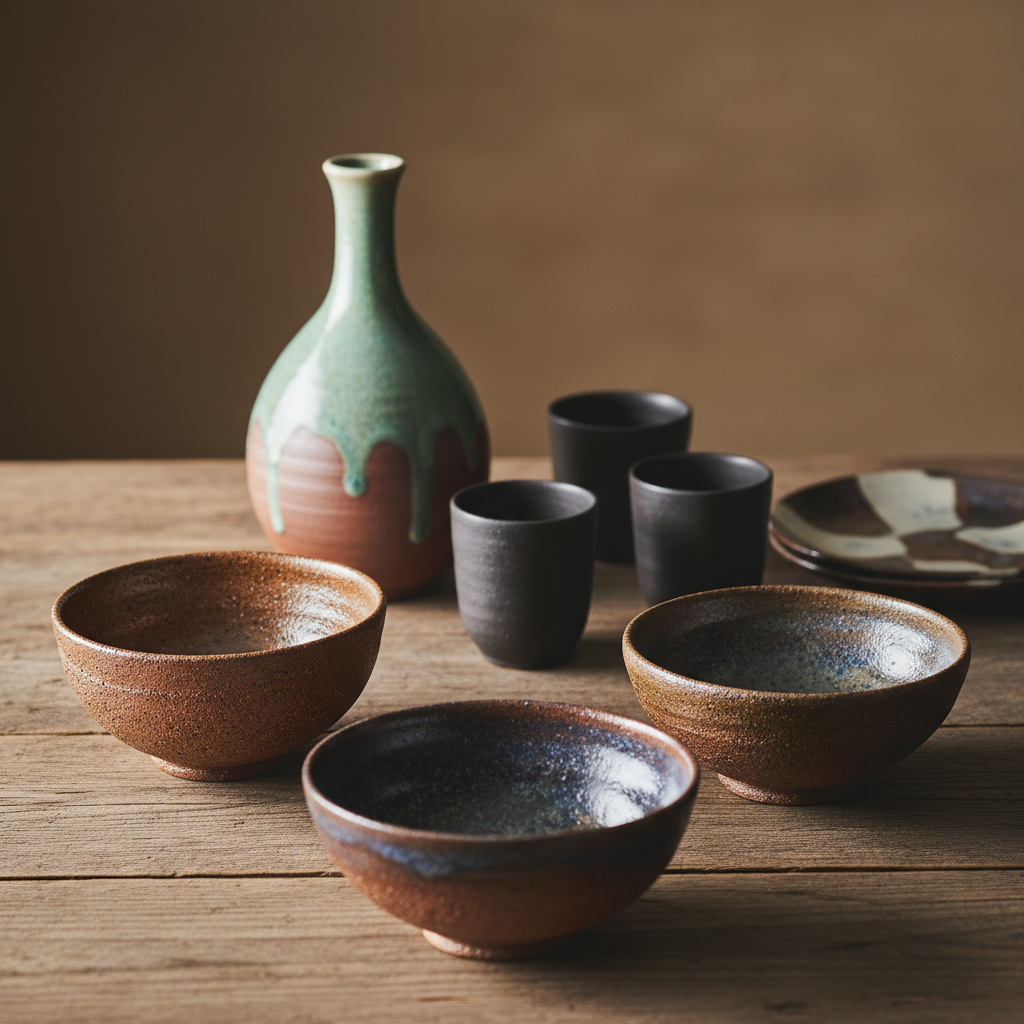
The ceramic clay used in Otani ware contains iron from clay mined locally. Due to the characteristics of this clay, the fired pieces have warm colors ranging from reddish-brown to tea-brown.
Regarding glazes:
- Wood ash glaze: A traditional glaze made from wood ash that creates a rustic aesthetic
- Iron glaze: A glaze containing iron that is characterized by deep coloring
- Celadon glaze: Some works use celadon glaze for a refined finish
Depending on how the glaze is applied and where the work is positioned in the kiln, no two pieces emerge with identical expressions. This element of chance is also part of the charm of Otani ware.
Representative Products of Otani Ware
Traditional Large Ceramics
When speaking of Otani ware, large ceramics are the first products to mention.
Indigo Vats (ai-game)
Vats used in the dyeing of Awa indigo and representative products of Otani ware. Some large examples exceed one meter in diameter, showcasing the true essence of the sleeping potter’s wheel technique. While demand for indigo-dyeing vats has decreased, production continues to preserve traditional techniques.
Water Jars and Pots
Water jars for storing water and pots for preserving miso and pickles are also traditional products. The moisture-regulating and heat-retaining properties of ceramics are well-suited for food preservation. In recent years, there has been increased demand for these pieces as interior decoration.
Contemporary Living Ceramics
Various living ceramics are produced to meet contemporary needs.
Tableware
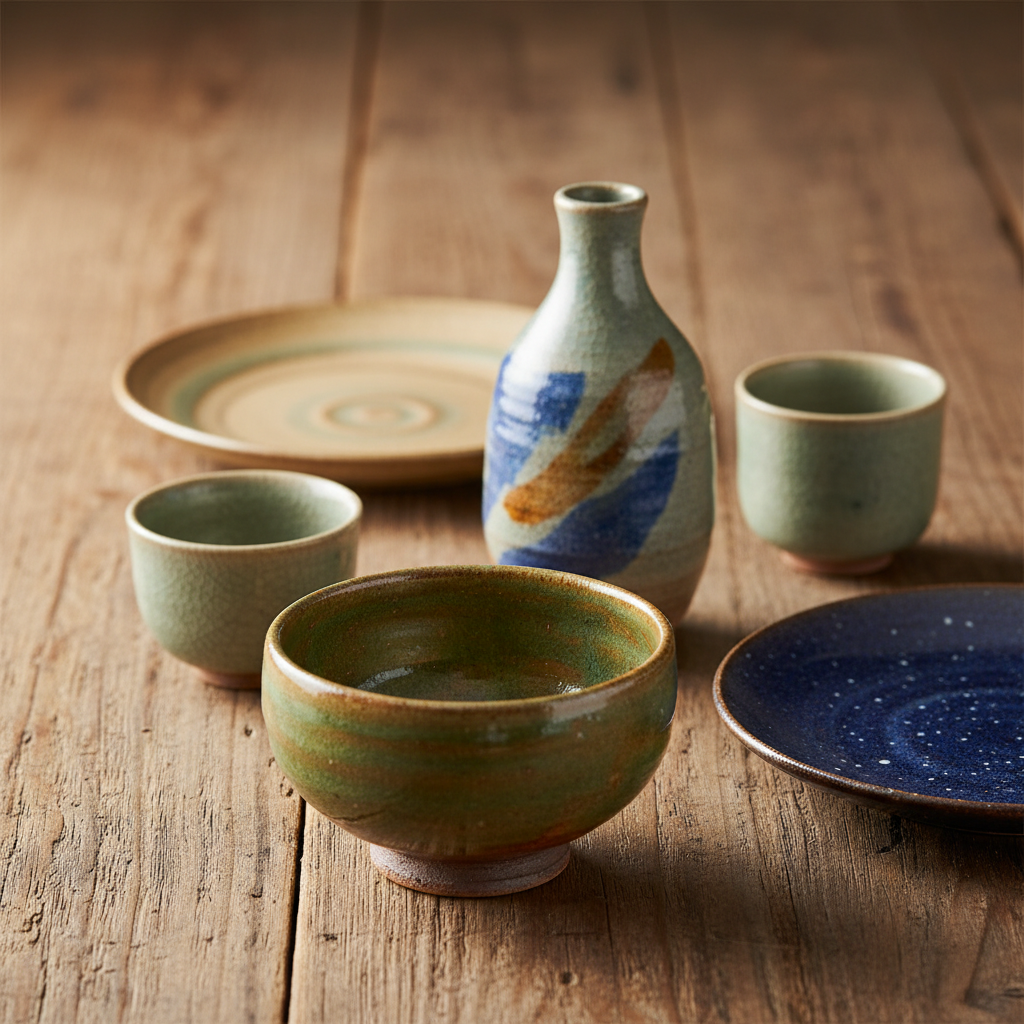
- Everyday tableware such as rice bowls, tea cups, and plates
- Western-style tableware such as coffee cups and mugs
- Sake ware such as sake bottles and sake cups
This tableware is characterized by the warm color and pleasant touch unique to Otani ware, with the flavor increasing the more it is used.
Flower Vases and Interior Pieces
- Vases and flower containers
- Figurines and objects
- Lamp shades
Many works incorporate contemporary design and are popular as interior decoration.
Fine Art and Craft Works
Emphasis is placed on the production of fine art and craft works utilizing traditional techniques.
- Tea ceremony utensils (tea bowls, water containers, flower containers, etc.)
- Incense burners and incense containers
- Creative objects
These works are evaluated as art pieces where tradition is preserved while the artist’s individuality shines through.
Facilities Where You Can Experience Otani Ware
Pottery Experience at Kiln Operators
Most Otani ware kiln operators accept pottery experience programs. The content of experiences varies by kiln operator, but generally include the following:
Potter’s Wheel Experience
Using an electric potter’s wheel, participants can create items such as tea cups or tea bowls. Beginners can create their own unique works under the guidance of skilled artisans.
Hand-Building Experience
A method of shaping clay by hand that allows for free-form creations. Even small children can enjoy this experience.
Painting Experience
Decorating bisque-fired ware with painting. Recommended for those who enjoy drawing.
Works created during the experience are typically fired at the kiln operator’s studio and mailed to participants at a later date.
Otani Ware Kiln Operator Tours
With advance reservation, most kiln operators allow workshop tours. Tours include:
- Demonstrations of the sleeping potter’s wheel by artisans
- Viewing of climbing kilns
- Explanations of the production process
- Appreciation of works in galleries
By witnessing the artisan’s skill up close, visitors can gain a deeper understanding of the charm of Otani ware.
Otani Ware Village
The Otani district of Oasa Town, the production area of Otani ware, is developed as “Otani Ware Village,” where multiple kiln operators are gathered. Visitors can stroll through the area, visit individual kiln operators, and compare their distinctly individual works.
How to Purchase Otani Ware
Direct Purchase at Kiln Operators
The most reliable purchasing method is to visit kiln operators directly. Each kiln operator has a showroom or gallery where visitors can choose from a wide selection of works.
Advantages of purchasing at kiln operators:
- Can handle and select items in person
- Can hear explanations directly from artisans
- Can discover kiln operator-exclusive or special works
- Can interact with artists
Sales Outlets in Tokushima Prefecture
Otani ware can be purchased at local product halls and souvenir shops throughout Tokushima Prefecture. Main sales locations:
- Tokushima Prefecture Product Hall
- Roadside stations
- Airport and station souvenir shops
However, the selection is more limited compared to kiln operators.
Online Shops
In recent years, many kiln operators have established online shops, making it possible to purchase from anywhere in the country. Works are available on kiln operators’ official websites as well as on e-commerce sites specializing in crafts.
Points to note about online purchases:
- The actual color and texture may differ from photographs
- Understand that ceramics have individual variations unique to the material
- Consider shipping costs and the risk of damage
Exhibitions and Events
Several times a year, exhibitions and sales events featuring Otani ware are held throughout Tokushima Prefecture and beyond. At these events, works from multiple kiln operators can be compared at once, and special prices are sometimes offered.
Contemporary Initiatives in Otani Ware
Nurturing Young Artists
For continuation as a traditional production area, the cultivation of successors is essential. The Otani ware production area places emphasis on fostering young artists, and an increasing number of makers with fresh sensibilities are emerging.
Young artists:
- Learn traditional techniques while pursuing contemporary design
- Utilize social media for information dissemination
- Collaborate with other production areas and different industries
These new approaches help communicate the charm of Otani ware.
Design Innovation
While preserving tradition, product development suited to contemporary lifestyles is advancing.
Modern Design
An increasing number of simply designed, modern tableware that complements Western dining tables are being produced. Works incorporating Scandinavian-inspired design are also popular.
Color Variations
Beyond the traditional tea-brown, works using a diverse range of glaze colors including white, black, and blue are being created.
Small Items and Accessories
Accessories, chopstick rests, brooches, and other small items that allow for casual enjoyment of Otani ware are becoming more abundant.
Regional Cooperation
In the Otani ware production area, efforts are being made to boost traditional industry with the entire community.
Tourism Connections
- Planning tourism tours that include pottery experiences
- Participation in regional events
- Collaboration with other tourist attractions (Naruto Whirlpools, Awa Odori dance, etc.)
Education Connections
- Pottery classes at local elementary and middle schools
- Providing opportunities to learn about traditional industries
- Accepting workplace experience students
Through these activities, the charm of Otani ware is communicated to local children, leading to cultivation of future operators.
International Expansion
As a Japanese traditional craft, Otani ware is gaining attention internationally. Participation in international craft exhibitions and negotiations with overseas buyers indicate global expansion is underway.
Its value as a JAPAN brand is being recognized, with particular popularity growing in parts of Europe and Asia.
The Charm and Selection of Otani Ware
The Charm of Otani Ware
Warm and Inviting Aesthetic
Iron-rich ceramic clay and natural glazes create a warm color and texture. The gentle feel when held is a charm unique to Otani ware.
Flavor Develops with Use
Colors deepen and unique character increases with use. The pleasure of nurturing ceramics is part of their charm.
Individuality of Single Pieces
Each handmade piece has individual variations; no two are exactly alike. The position in the kiln and how fire is applied create varying expressions, offering the pleasure of finding a uniquely individual piece.
High Practical Value
These pieces have sufficient strength for everyday use and an increasing number of products are microwave and dishwasher-safe (however, this varies by product so confirmation is necessary).
Selection Points
Clarify Purpose
- For everyday tableware
- For special occasions
- As interior decoration
- As a gift
The appropriate product selection varies depending on intended use.
Confirm Size and Weight
Otani ware is often relatively thick-walled and has considerable weight, so it is important to hold and test actual pieces to confirm usability.
Color and Texture
Even identical forms can have dramatically different impressions depending on glaze and firing method. Select a color and texture that matches your preferences.
Artist’s Individuality
Each kiln operator and artist has a distinct style. Visiting multiple kiln operators and finding an artist whose work matches your sensibility is part of the enjoyment.
Care Methods for Otani Ware
Initial Care Upon First Use
Seasoning
New ceramics have high water absorption, and it is recommended to perform “seasoning” before first use.
- Place the piece in water with rice washing liquid or dissolved wheat flour
- Simmer over low heat for 15-20 minutes
- Allow to cool naturally, then wash thoroughly and dry
This process closes the fine pores of the ceramic, making it less susceptible to staining and odor absorption.
Daily Care
Before Use
Soaking in water before use prevents food color and odors from transferring.
Washing
- Gently wash with neutral detergent and a sponge
- Avoid cleansers containing abrasives
- Do not use metal scrubbers
Drying
- Thoroughly wipe away moisture
- Allow to completely dry before storing
- Avoid storing in damp locations
Precautions
Avoid Rapid Temperature Changes
Ceramics are vulnerable to rapid temperature changes:
- Do not place hot items in pieces directly from the refrigerator
- Do not rapidly cool hot vessels
Microwave and Dishwasher
Compatibility varies by product and must be confirmed at time of purchase. Pieces with gold or silver decoration cannot be used.
Long-Term Storage
If not used for extended periods, allow to dry completely, then wrap in newspaper for storage.
Otani Ware and Tokushima Culture
Relationship with Awa Indigo
The development of Otani ware is closely connected to the Awa indigo industry. From the Edo period through the Meiji period, Tokushima Prefecture flourished as a major indigo production center, and “Awa indigo” became a nationwide brand.
Indigo dyeing required large quantities of indigo vats, and Otani ware grew as a production area by meeting this demand. The techniques developed for indigo vat production cultivated advanced large-ceramic manufacturing techniques that continue to be passed down today.
Currently, traditional indigo dyeing workshops still use Otani ware indigo vats, and both traditions are jointly maintained.
Regional Living Culture
Otani ware is deeply rooted in the lives of the people of Tokushima Prefecture.
- Storage of well water and rainwater in water jars
- Preservation containers for miso and pickles
- Everyday tableware
For many years, these uses supported the daily lives of the region. Currently, Otani ware vessels are still used in everyday life in Tokushima Prefecture households.
Value as a Tourism Resource
The Otani ware production area has become one of Tokushima Prefecture’s important tourism resources. Along with the Naruto Whirlpools and Awa Odori dance, it stands as a representative culture of Tokushima attracting attention from domestic and international visitors.
Many tourists visit the area specifically for pottery experiences, contributing to the local economy. Additionally, restaurants serving local cuisine in Otani ware vessels are increasing, playing a role in comprehensively communicating the region’s charm.
The Future of Otani Ware
Preservation and Innovation of Tradition
Otani ware, with its history of over 230 years, is a traditional industry that continues to change with the times. By preserving traditional techniques while developing products suited to contemporary needs, the production area aims toward sustainability.
Preservation of Tradition
- Transmission of sleeping potter’s wheel techniques
- Preservation of climbing kiln firing technology
- Research and transmission of traditional glazes
Challenge for Innovation
- Development of new designs
- Collaboration with different industries
- Utilization of digital technology (mold creation using 3D printers, etc.)
Sustainable Production Area Development
Environmental consideration is an important theme.
- Utilization of local raw materials
- Development of energy-efficient kilns
- Reuse of waste materials
Through these initiatives, environmentally conscious production area development is advancing.
Transmission to the Next Generation
Cultivation of young artists and traditional culture education for regional children are ensuring transmission to the next generation. Information dissemination utilizing social media and the internet is conveying the charm of Otani ware to younger generations nationwide.
Summary
Otani ware is a traditional ceramics production area centered in Naruto City, Tokushima Prefecture, with a history of over 230 years. Works created through the distinctive sleeping potter’s wheel technique and Japan’s largest climbing kiln are characterized by powerful and rustic aesthetics, and have developed alongside the Awa indigo industry.
From traditional indigo vats and large ceramics to contemporary design tableware and interior accessories, a wide range of products are produced, meeting diverse needs from everyday use to fine art crafts.
Approximately 10 kiln operators continue to preserve tradition while undertaking new challenges, and the charm of Otani ware can be experienced by anyone through pottery experiences and kiln tours. Regional collaboration and cultivation of young artists are advancing sustainable production area development, and as a representative culture of Tokushima Prefecture, further development is anticipated.
The warm aesthetic of Otani ware and the feelings of its makers embedded in each individual piece will bring richness to the daily life of those who use them. When visiting Tokushima, be sure to visit the Otani Ware Village and experience its charm directly.