
A Complete Guide to Bizen Ware | The History, Characteristics, and Charm of Kiln Effects of Okayama Prefecture’s Renowned Ceramic Production Area
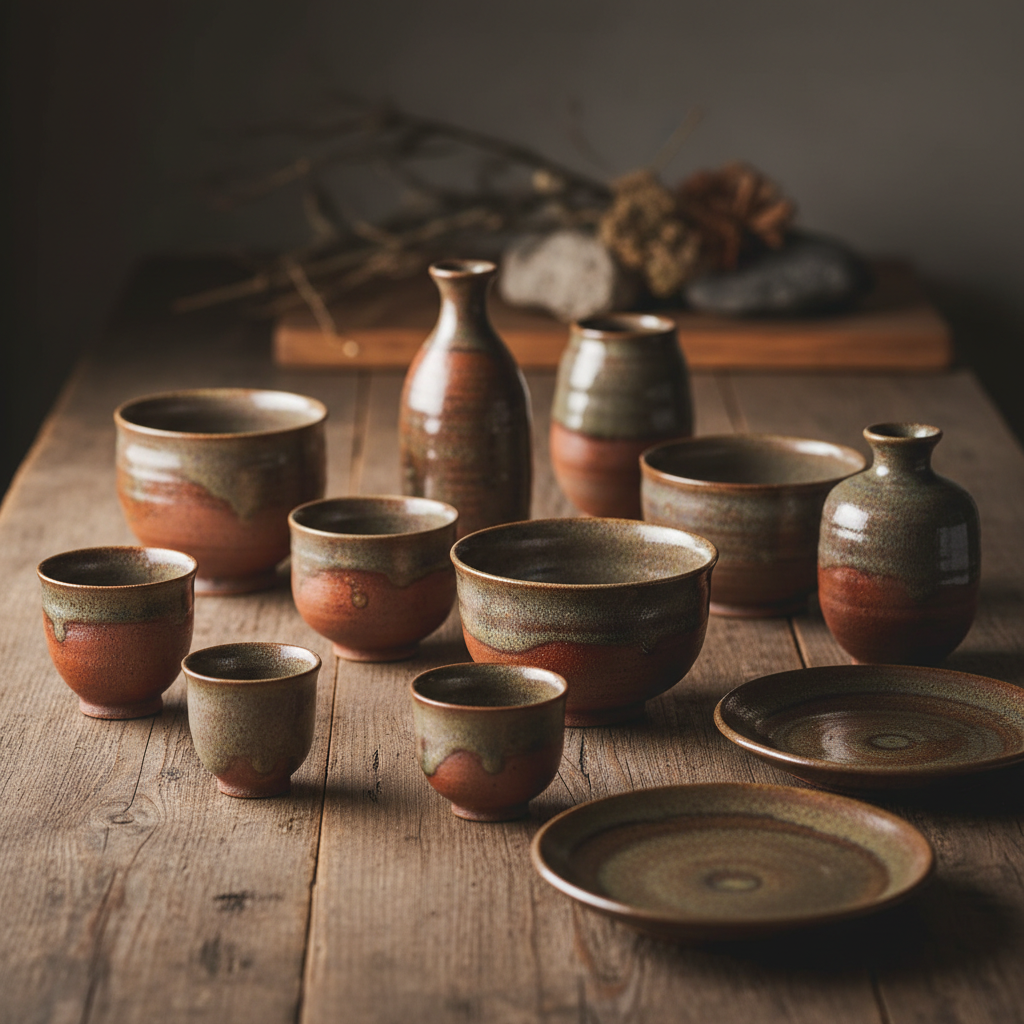
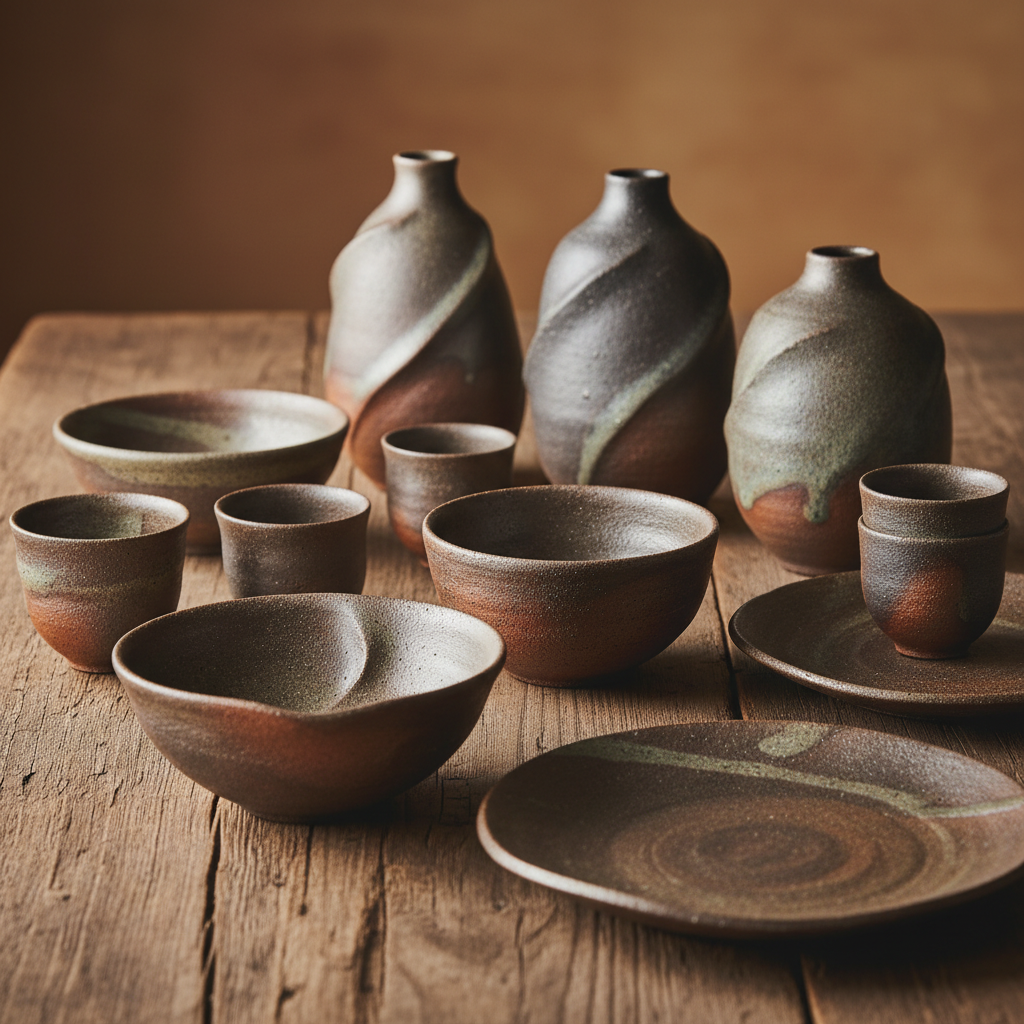
Bizen ware (bizenyaki) is a representative Japanese ceramic produced in and around Bizen City, Okayama Prefecture. Counted among Japan’s Six Ancient Kilns, it is a traditional craft with approximately one thousand years of history that receives high acclaim both domestically and internationally. The distinctive aesthetic created through high-quality ceramic clay and long firing periods without the use of glaze captivates numerous enthusiasts as the unique charm of Bizen ware.
This article provides comprehensive coverage of all aspects of Bizen ware, from the geographical characteristics of Okayama Prefecture’s Bizen City as the production area, to its thousand-year history, its unique manufacturing methods without glaze, diverse kiln effects, and the techniques and culture carried forward to the present day.
Table of Contents
- Bizen Ware – Okayama Prefecture’s Representative Ceramic Production Area
- The Bizen Production Area – Geography and Environment of the Inbe District
- The History of Bizen Ware – From the Kofun Period to the Present Day
- The Characteristics of Bizen Ware – Firing Techniques Without Glaze
- Types of Kiln Effects – The Diverse Expressions of Bizen Ware
- The Manufacturing Process of Bizen Ware
- Representative Artists and Living National Treasures
- Cultural Property Designations and Related Facilities of Bizen Ware
- Bizen Ware Festival and Tourism Information
- Contemporary Use and Future of Bizen Ware
Bizen Ware – Okayama Prefecture’s Representative Ceramic Production Area
Bizen ware is a type of stoneware (sekki) produced in and around Bizen City, Okayama Prefecture. It is also known by the alternative name “Inbe ware” (inbeyaki), derived from the Inbe district of Bizen City, which is the primary production area.
As one of Japan’s Six Ancient Kilns (Nihon rokko yo), it is positioned alongside Shigaraki ware, Tamba ware, Echizen ware, Seto ware, and Tokoname ware as Japan’s oldest pottery production regions continuing from the Heian period to the present. In 2017, it was recognized as a Japan Heritage site as one of the “Six Ancient Kilns of Japan,” and its historical and cultural value was reassessed.
The most distinctive characteristic of Bizen ware is its manufacturing method that completely forgoes the use of glaze (yuuyaku) and avoids any decorative painting. After shaping quality ceramic clay and allowing it to dry, it is fired at high temperatures above 1200 degrees for extended periods, producing simple yet powerful ceramics in which the clay’s natural qualities shine through. Through this manufacturing method, each completed work develops a unique expression depending on the flame and ash during firing, as well as its placement in the kiln.
Currently, approximately 155 member organizations (artists, kilns, and trading companies) belong to the Okayama Bizen Ware Ceramic Friends Cooperative Association, preserving tradition while pursuing contemporary approaches to ceramic creation.
The Bizen Production Area – Geography and Environment of the Inbe District
Okayama Prefecture’s Bizen City, the primary production area for Bizen ware, is located in the southeastern part of Okayama Prefecture and faces the Seto Inland Sea, blessed with a warm climate. In particular, the Inbe district is known as the center of Bizen ware, where the kilns and ceramic shops of Bizen ware artists are concentrated.
Geographic Advantages
Bizen City is traversed by the Yoshii River, one of Okayama Prefecture’s three major rivers, and was historically a transportation hub through which the Sanyo Road from Yamaguchi to the Kinki region passed. This advantage in logistics supported the development of Bizen ware and its distribution throughout the country. Around the Inbe Station on the JR Ako Line, numerous kilns and facilities such as the Bizen Ware Museum stand today, forming the landscape of the “Bizen Ware Village.”
Existence of High-Quality Ceramic Clay
The greatest reason Bizen ware has continued for more than a thousand years is the abundant presence of high-quality ceramic clay in this region. The soil of Bizen is characterized by its high iron content, strong plasticity, and high fire resistance. This clay is extracted from a clay layer called “hiyose” at the bottom of rice paddies and is allowed to rest for several years before use.
The broader region including present-day Setouchi City in Okayama Prefecture has a history of Sueki (Sue ware) production dating back to the Kofun period, and this region’s suitability for ceramics has long been recognized.
Expansion of the Production Area
While centered in the Inbe district of Bizen City, Bizen ware production has extended to surrounding areas. Production of daily-use vessels began at the base of Mount Kurayama from the late Heian period, and several kilns continue to exist there today. More than 200 chimneys stand throughout Bizen City, creating a unique landscape characteristic of a Bizen ware production area.
The History of Bizen Ware – From the Kofun Period to the Present Day
The history of Bizen ware spans approximately one thousand years, representing one of the longest traditions in Japanese ceramic culture. Let us examine in detail the transformation from its origins to the present day.
Kofun Period to Heian Period: Lineage from Sue Ware
The origins of Bizen ware trace back to Sue ware produced in what is now Setouchi City, Okayama Prefecture during the Kofun period (5th-6th centuries). The high-temperature firing technology for Sue ware, transmitted from the Korean Peninsula, was passed down to the potters of this region.
From the late Heian period to the early Kamakura period (11th-12th centuries), in the foothills of Mount Kurayama in Bizen, production of daily-use vessels such as bowls, plates, and platters, as well as roof tiles, began in earnest based on Sue ware techniques. This marks the beginning of Bizen ware.
Kamakura Period to Muromachi Period: Development as Practical Wares
From the Kamakura to Muromachi periods, Bizen ware was primarily produced as miscellaneous daily-use items such as jars, large storage vessels, and grinding mortars. Despite its simple, glaze-free appearance, it was highly practical and became widely adopted in the lives of common people as an indispensable household item.
Bizen ware from this period is called “Ko-Bizen” (old Bizen) and is characterized by its simple yet powerful sculptural beauty. It spread throughout the country via the Sanyo Road, and the name of Bizen ware became known nationally.
Momoyama Period: The Golden Age as Tea Ceramics
Bizen ware achieved a major breakthrough during the Momoyama period (late 16th century). Tea masters including Sen no Rikyu highly evaluated the simple and subdued beauty of Bizen ware as tea ceramics, leading to flourishing production of tea utensils such as tea containers and flower vessels.
This period saw the birth of such sayings as “Water does not spoil in a Bizen water jug” and “Sake tastes better in a Bizen sake bottle.” With the prosperity of the tea ceremony culture, Bizen ware acquired artistic dimensions beyond mere utility, and its popularity surged dramatically.
Edo Period: Domain Protection and Establishment of Techniques
During the Edo period, Bizen ware achieved stable development under the protection of the Okayama Domain (the Ikeda family). The domain protected skilled potters and encouraged technical advancement. During this period, the fundamental techniques of present-day Bizen ware were established, and diverse kiln effect technologies developed.
Meanwhile, the emergence of Arita ware and other porcelains and color-painted ceramics caused a temporary decline in demand for Bizen ware. However, its status as a tea ceramic was maintained throughout.
Meiji Period to Early Showa Period: Crisis and Revival of Tradition
After the Meiji Restoration, Bizen ware faced a major crisis due to the westernization of lifestyles and the emergence of inexpensive mass-produced goods. Demand plummeted, and many kilns were forced to close.
However, from the Taisho period to the early Showa period, amid the influence of the Folk Crafts Movement and a renewed appreciation of traditional crafts, Bizen ware regained attention. Artists such as Kaneshige Toyo engaged in research into traditional techniques and innovative creation of contemporary works, elevating the artistic value of Bizen ware.
Late Showa Period to Present Day: Designation as Traditional Craft and International Evaluation
In 1982 (Showa 57), Bizen ware was designated as a traditional craft by the national government. This enabled institutional support for the preservation and transmission of traditional techniques.
Bizen ware has produced several Living National Treasures (holders of Important Intangible Cultural Properties) including Kaneshige Toyo, Fujiwara Kei, Yamamoto Toushu, Fujiwara Yu, and Isezaki Jun, with the artistic value of Bizen ware receiving high domestic and international recognition.
In the present day, works incorporating contemporary designs and uses while maintaining traditional techniques have emerged, and Bizen ware is entering a new period of development. With its designation as a Japan Heritage site in 2017, its historical and cultural value has been newly recognized, and it has garnered attention as a tourism resource.
The Characteristics of Bizen Ware – Firing Techniques Without Glaze
The most distinctive characteristic of Bizen ware, which differs from many other ceramics, is its unique “firing to hardness” (yakujime) technique that completely foregoes the use of glaze.
The Aesthetics of Working Without Glaze
Bizen ware does not apply glaze or paint to the formed work but is placed directly in the kiln and fired. Because no glaze is used, the surface retains the natural texture of the clay rather than the glossy glass-like finish of glazed ceramics. This simplicity is the source of Bizen ware’s beauty.
By avoiding glaze, the earthiness of the clay is well expressed, allowing enjoyment of the color and texture of the ceramic clay itself. Furthermore, one of the major charms is that each piece develops a unique expression depending on how the flames strike it and how ash falls on it during firing.
High-Temperature, Extended Firing
Bizen ware is fired at high temperatures of 1200-1300 degrees over approximately 10 to 14 days. This extended firing causes the clay to become compressed into an extremely durable ceramic.
Traditionally fired in climbing kilns or hole kilns, some contemporary artists now use gas or electric kilns. However, wood-fired kilns remain the mainstream for achieving traditional kiln effects.
Diverse Expressions Through Kiln Effects
In glaze-free Bizen ware, kiln effects (youhen)—changes resulting from the firing process—determine the individual character of each piece. Variations in flame direction, ash accumulation, placement relative to other works, and the degree of reduction firing produce completely different colors and patterns from the same clay.
This uncertainty in kiln effects is the very essence of Bizen ware’s appeal, and artists approach their work with both technical expertise and a willingness to entrust the final outcome to “the spirit of the kiln.”
High Practical Quality
Bizen ware excels not only in artistic value but also in practical functionality.
- Heat retention: Fine clay particles and high density provide excellent heat retention
- Breathability: Microscopic pores provide appropriate air permeability
- Strength: The extended high-temperature firing produces extremely durable ceramics
- Enhanced character with use: With use, a distinctive luster develops on the surface, and one can enjoy the piece’s aging process
The sayings such as “Water never spoils in a Bizen water jug,” “Sake becomes smooth in a Bizen sake bottle,” and “Flowers last longer in a Bizen flower vessel” are based on these practical characteristics.
Commitment to Clay
The most important factor determining the quality of Bizen ware is the ceramic clay itself. The soil of Bizen, called “hiyose,” is extracted from the clay layer at the bottom of rice paddies and is characterized by high iron content, strong plasticity, and high fire resistance.
The extracted clay is allowed to age for several years before use. This maturation period allows clay particles to become uniform, preventing cracks and deformation during firing. Many artists blend multiple clays to create their own unique clay, with an artist’s individuality manifesting from clay preparation itself.
Types of Kiln Effects – The Diverse Expressions of Bizen Ware
One of the greatest attractions of Bizen ware is the diverse kiln effects that emerge during firing. Precisely because no glaze is used, the natural patterns and colors created by flames, ash, and firing methods give each work a unique individual character. Let us examine in detail the main types of kiln effects.
Goma (Sesame)
Goma is created when ash from the firewood falls on the piece during firing and becomes vitrified at high temperature. The name comes from the spotted pattern resembling sesame seeds scattered across the surface.
The size and density of individual spots vary depending on how ash falls, displaying colors ranging from gold to dark brown. Works with particularly beautiful goma covering the entire surface are highly valued. This kiln effect typically appears on pieces placed in direct flame.
Sangiri (Shelf Mark)
Sangiri is a pattern left by shelf marks (sangi) that support the piece during firing. The area covered by shelf wood does not receive ash, and the reduction state differs, creating distinct linear patterns.
Red-brown ground with white or gray lines running across it creates a unique appearance, and placing shelf wood intentionally can create deliberate patterns. The forceful, linear beauty is characteristic.
Hidatsuki (Straw Marks)
Hidatsuki is a kiln effect created by wrapping straw around the piece before firing. The alkali components in the straw react with iron in the clay, creating scarlet-colored striped patterns at the straw marks.
With white ground and brilliant red lines running across, it creates a vibrant appearance, and is particularly popular as a tea utensil. The pattern varies with how the straw is wrapped, allowing an artist’s sensibility to be expressed.
Botanmochi (Mochi Spots)
Botanmochi refers to kiln effects appearing where pieces have made contact during firing. The contact area receives no ash, and is strongly affected by reduction firing, resulting in circular reddish-brown spots.
Named for their resemblance to the mochi cake called botanmochi, this is a highly accidental kiln effect, with pieces displaying beautiful botanmochi spots being particularly treasured.
Ao-Bizen (Blue Bizen)
Ao-Bizen is a kiln effect obtained by sealing pieces completely during firing and increasing reduction firing, resulting in a blue-gray color. With iron becoming reduced, rather than the typical reddish-brown, a gray tone with blue undertones emerges.
With a subdued color palette, it is especially highly valued as a tea ceramic. It is one of the traditional kiln effect techniques known since the Edo period.
Kuro-Bizen (Black Bizen)
Kuro-Bizen is a kiln effect produced through strong reduction firing similar to Ao-Bizen, with a color tone closer to black. Using charcoal to create a steaming effect produces a deep black color.
With a sophisticated, contemporary impression, interest in this kiln effect has risen in recent years.
Variations of Hidatsuki
By applying the straw-wrapping technique with organic materials other than straw, various colors and patterns can be created. Among contemporary artists, some are developing unique kiln effect techniques.
Combinations of Kiln Effects
In actual works, multiple kiln effects typically appear in combination, with goma and sangiri coexisting, or goma falling on top of hidatsuki, creating unexpected expressions. This simultaneity of chance and diversity is the greatest charm of Bizen ware’s kiln effects.
While artists can control kiln effects to a degree through long experience, complete prediction remains impossible. The suspense of not knowing a work’s final appearance until the moment of kiln opening is one of the joys of Bizen ware creation itself.
The Manufacturing Process of Bizen Ware
Bizen ware creation, from clay preparation through kiln opening, requires skilled technique and extended time at every stage. Let us examine the traditional manufacturing process in detail.
1. Clay Collection and Refinement
The ceramic clay used as raw material for Bizen ware is extracted from the clay layer called “hiyose” at the bottom of rice paddies. The extracted clay contains impurities such as small stones and plant roots, which must be carefully removed.
The refined clay is not used immediately but aged for several years. This maturation period allows clay particles to become uniform and improves plasticity. Many artists blend multiple clays to create their own unique clay.
2. Clay Wedging
Before use, the clay is thoroughly wedged. Using a technique called “kiku-neri” (chrysanthemum wedging), air is removed from the clay and water and clay are mixed uniformly. Insufficient work at this stage can cause cracks or deformation during firing.
3. Forming
Bizen ware formation employs various techniques including wheel throwing, hand building, slab construction, and coil building.
- Wheel throwing: Using electric or kick wheels, clay is pulled upward on a rotating platform. Suitable for bowls, plates, and jars.
- Hand building: The most primitive forming technique, allowing free-form creation.
- Slab construction/Coil building: Clay is flattened into sheets and combined. Suitable for square-shaped works.
After forming, pieces are dried to a “leather-hard” state and finished by carving or smoothing the surface.
4. Drying
Formed pieces must be thoroughly dried. Rapid drying causes cracking, so pieces are naturally dried slowly over weeks to months.
When completely dry, pieces are in a “pre-bisque” state, extremely fragile and requiring careful handling.
5. Kiln Loading
In Bizen ware, no bisque firing is performed; dried pieces are placed directly in the kiln for final firing. Kiln loading is crucial, done while predicting kiln effects.
- Pieces in direct flame will likely develop goma
- Shelf placement determines sangiri patterns
- Pieces in contact will develop botanmochi
- Wrapped-straw pieces aim for hidatsuki
Artists carefully determine placement based on years of experience.
6. Firing
Bizen ware firing occurs at 1200-1300 degrees over approximately 10 to 14 days. In traditional climbing kilns, firewood is continuously burned as temperature gradually increases.
During firing, 24-hour monitoring maintains the kiln, constantly watching temperature and flame conditions. Temperature is carefully controlled to achieve the optimal balance of reduction and oxidation firing and ash accumulation.
After reaching peak temperature, it is gradually lowered, requiring several more days to a week for complete cooling.
7. Kiln Opening
Once completely cool, the kiln is opened. Until this moment, the final appearance of pieces remains unknown, making this the most suspenseful moment for the artist.
Kiln-opened pieces are individually inspected for cracks or deformation. The value of pieces is significantly affected by kiln effect appearance, so careful evaluation occurs.
8. Finishing
After kiln opening, the bottom and other areas are polished for finishing. Since Bizen ware’s character improves with use, special treatment before initial use is not required, though soaking in water before first use is recommended.
As described, Bizen ware creation requires several months to over a year from clay preparation to completion. Every stage demands the artist’s technique and experience, as well as deep understanding of clay and flame.
Representative Artists and Living National Treasures
Bizen ware has produced numerous outstanding ceramicists. In particular, artists designated as Living National Treasures (Important Intangible Cultural Property Holders) have significantly contributed to Bizen ware’s development through both inheritance of traditional techniques and innovative creation.
Kaneshige Toyo (1896-1967)
The ceramicist most contributing to modernization of Bizen ware. Designated as a Living National Treasure in 1956, the first for Bizen ware. Based on research into Momoyama-period Ko-Bizen, he revived traditional kiln effect techniques for the contemporary era.
Particularly establishing hidatsuki and goma techniques, he elevated the artistic quality of Bizen ware. Honored as “Father of Modern Bizen Ware,” his contributions to establishing the foundation of contemporary Bizen ware are immeasurable.
Fujiwara Kei (1899-1983)
Designated as a Living National Treasure in 1970. Originally a man of letters, he uniquely began the path of Bizen ware after age 40.
Known for bold, dynamic forming and distinctive kiln effect expression. Particularly excelling in large vessels and platters, he expanded the range of Bizen ware expression. He constructed a cultured artistic world utilizing his literary background.
Yamamoto Toushu (1906-1994)
Designated as a Living National Treasure in 1987. Known for works incorporating contemporary sensibility while preserving traditional Bizen ware techniques.
Particularly excelling in tea ceramics, he created works combining ease of use with beauty. His work style is characterized by calm and refined dignity.
Fujiwara Yu (1932-2001)
Eldest son of Fujiwara Kei. Designated as a Living National Treasure in 1996. In contrast to his father’s bold style, he created refined and elegant works.
Particularly excelling in tea-related ceramics such as tea bowls and flower vessels, he pursued fusion of contemporary sensibility with traditional techniques. Receiving high international evaluation, he contributed to Bizen ware’s overseas promotion.
Isezaki Jun (1936-)
Designated as a Living National Treasure in 2004. He continues to pursue unique sculptural beauty while inheriting traditional Bizen ware techniques.
Particularly skilled in maximizing the beauty of kiln effects, he expresses traditional kiln effects such as goma and sangiri in contemporary fashion. Creating works from large pieces to tea utensils, he continues broadening Bizen ware’s possibilities.
Other Notable Artists
Beyond Living National Treasures, many outstanding artists inherit Bizen ware’s tradition while pursuing new expression.
- Kakusaki Takakazu: Known for works incorporating contemporary design while preserving traditional techniques
- Kimura Gyokushu: A female artist creating refined and elegant works
- Mori Togaku: Noted for bold forming and creative kiln effect expression
Currently, over 200 ceramicists work in Bizen City, each pursuing their unique style while carrying Bizen ware’s tradition into the future.
Cultural Property Designations and Related Facilities of Bizen Ware
Bizen ware’s historical and cultural value has been recognized through various cultural property designations. Additionally, facilities for learning about and appreciating Bizen ware are well-equipped.
Cultural Property Designations
Nationally Designated Traditional Craft
In 1982 (Showa 57), Bizen ware was designated as a traditional craft by the Minister of Economy, Trade and Industry (then the Minister of International Trade and Industry). This designation provides institutional support for preservation and transmission of traditional techniques.
Japan Heritage Designation
In 2017, the “Six Ancient Kilns of Japan,” including Bizen ware, received Japan Heritage designation. The thousand-plus-year history and culture of pottery production was evaluated.
Important Intangible Cultural Property Holders (Living National Treasures)
As previously mentioned, five Bizen ware artists are designated as Living National Treasures, an exceptionally high number for a single pottery production area.
Bizen City Museum of Bizen Ware
Located within walking distance of JR Inbe Station, this museum is dedicated to Bizen ware. Housing a collection of approximately 2000 works from Ko-Bizen to contemporary pieces, it presents permanent and special exhibitions.
One can systematically learn about Bizen ware’s history, techniques, and kiln effect types, and view works by Living National Treasures. The museum shop allows Bizen ware purchases.
Bizen Ware Traditional Industry Hall
A facility introducing the history and manufacturing process of Bizen ware, featuring a model of an actual climbing kiln and displays of production tools. Bizen ware purchases are available, and it functions as a tourist information center.
Okayama Prefecture Bizen Ceramic Art Museum
A prefectural art museum displaying ceramic works centered on Bizen ware. Special exhibitions and planned exhibits are frequently held, offering opportunities to appreciate contemporary artists’ works.
Kiln Tours
Centered in the Inbe district, many kilns publicly open their workshops and galleries. The ability to purchase works while directly conversing with artists is unique to Bizen ware production areas. Many kilns also offer ceramic experience programs.
Amatsu Shrine
The guardian shrine of Bizen ware, honored by ceramicists’ faith. Each October it becomes one of the venues for the Bizen Ware Festival.
Former Shizutani School
A Edo-period domain school in Bizen City designated as a National Treasure. Bizen ware tiles were used in its construction, demonstrating the important historical connection between Bizen ware and the region.
Visiting these facilities allows deep understanding of Bizen ware’s history, techniques, and artistic value.
Bizen Ware Festival and Tourism Information
Bizen City offers various events and tourism resources centered on Bizen ware, attracting numerous visitors year-round.
Bizen Ware Festival
Held on the third Saturday and Sunday of October each year, this is Bizen ware’s largest event. Centered in the Inbe district, approximately 200 kilns and galleries offer Bizen ware at roughly 20 percent off regular prices.
During the festival period, over 100,000 visitors enjoy artist interaction, wheel-throwing experience, and Bizen ware exhibitions. Finding bargains is part of the joy, making this an unmissable event for Bizen ware enthusiasts.
Ceramic Experience
Many kilns and facilities offer ceramic experience programs. Wheel-throwing, hand-building, and decorating experiences are available for beginners.
Completed pieces are fired and mailed later, allowing visitors to take home unique personal creations as travel souvenirs.
Gallery Tours
Numerous galleries and kilns within the Inbe district are within walking distance. “Bizen Ware Gallery Tour Maps” help visitors explore, discovering favorite artists and works.
Most galleries have resident artists available to discuss their works directly.
Access Information
Train
JR Ako Line “Inbe Station” is the gateway. Approximately 40 minutes from Okayama Station, about 1 hour from Himeji Station. The station building itself is decorated with Bizen ware tiles, creating an immediate sense of entering the Bizen ware village.
Car
Approximately 15 minutes from Sanyo Expressway “Bizen IC,” about 20 minutes from “Wake IC.” Multiple parking areas serve the Inbe district.
Accommodations
Bizen City offers various inns and hotels, including Bizen ware-themed accommodations. Some feature meals served on Bizen ware and hot springs with Bizen ware bathtubs, allowing one to experience Bizen ware through all senses.
Nearby Attractions
The area around Bizen City includes the following attractions.
- Former Shizutani School: A National Treasure Edo-period domain school
- Hinase Islands: Beautiful islands in the Seto Inland Sea
- Okayama Korakuen: One of Japan’s three greatest gardens (Okayama City)
- Kurashiki Scenic Historic District: Charming white-walled streets (Kurashiki City)
Visitors can enjoy Okayama Prefecture’s history and nature alongside Bizen ware exploration.
Contemporary Use and Future of Bizen Ware
With a thousand-year tradition, Bizen ware continues to evolve to suit contemporary lifestyles while preserving its heritage.
Adaptation to Modern Living
Beyond traditional tea utensils and flower vessels, diverse products have emerged suited to contemporary dining tables, including tableware, interior décor items, and accessories.
- Coffee cups: Contemporary designs utilizing Bizen ware’s heat retention
- Wine glasses: Recognized as enhancing wine flavor with Bizen ware properties
- Lighting fixtures: Indirect lighting utilizing Bizen ware’s texture
- Building materials: Application as tiles and decorative panels
Emergence of Young Artists
Increasing numbers of young artists preserve traditional learning while creating new Bizen ware through free expression. Ceramicists with diverse backgrounds—those who studied abroad or transitioned from other fields—expand Bizen ware’s possibilities.
International Development
Bizen ware receives high international recognition, with active exhibitions and sales abroad. As “BIZEN,” its global recognition grows, positioning it as one of Japan’s representative traditional ceramics internationally.
Environmental Consideration
Traditional wood-kiln use presents environmental challenges, with research ongoing into gas and electric kiln use and sustainable firewood sourcing, pursuing environmentally conscious production methods.
Successor Development
Efforts to transmit Bizen ware tradition to future generations focus on successor training. The Okayama Prefecture Bizen Ceramic Center conducts classes and training programs supporting technical transmission to younger generations.
Fusion with Digital Technology
3D printing for mold-making, SNS information sharing, and online sales represent new digital technology initiatives. Merging traditional technique with digital technology explores new Bizen ware possibilities.
Regional Revitalization Partnership
Bizen ware is a vital Bizen City tourism resource and industry supporting the regional economy. Initiatives centered on Bizen ware—tourism promotion, community development, and regional branding—advance, establishing “Bizen Ware Village” as regional identity. Following Japan Heritage designation, strengthened partnerships with other Six Ancient Kiln areas enhance the entire Japanese ceramic culture’s international impact.
Future Outlook
While possessing a thousand-year history, Bizen ware has continually evolved with the times. Its glaze-free aesthetic actually resonates with contemporary values of “sustainability” and “minimalism.”
By preserving traditional techniques while maintaining flexibility to meet contemporary needs, Bizen ware continues its path toward the next millennium. The spirit of Bizen ware, engaging with earth and flame—the most primitive materials—may hold even deeper meaning precisely in our technologically advanced age.
Conclusion
Bizen ware, produced in and around Bizen City, Okayama Prefecture, is one of Japan’s Six Ancient Kilns and a traditional craft with approximately one thousand years of history. Without glaze and created through high-quality ceramic clay and extended high-temperature firing, its distinctive kiln effects and clay quality represent its greatest charms.
Its ancient roots trace through the Kofun period and Heian era into continued tradition through Kamakura, Muromachi, Momoyama, and Edo periods to the present. From daily-use pottery to tea ceramics and contemporary art pieces, Bizen ware has maintained its presence for a millennium while continually adapting and evolving.
The designation as a traditional craft in 1982 and Japan Heritage status in 2017 have secured institutional support for technique preservation and international recognition. With Living National Treasures continuing its legacy and young artists pursuing innovation, Bizen ware stands positioned to carry its tradition confidently into the future, forever honoring both its deep heritage and contemporary relevance.