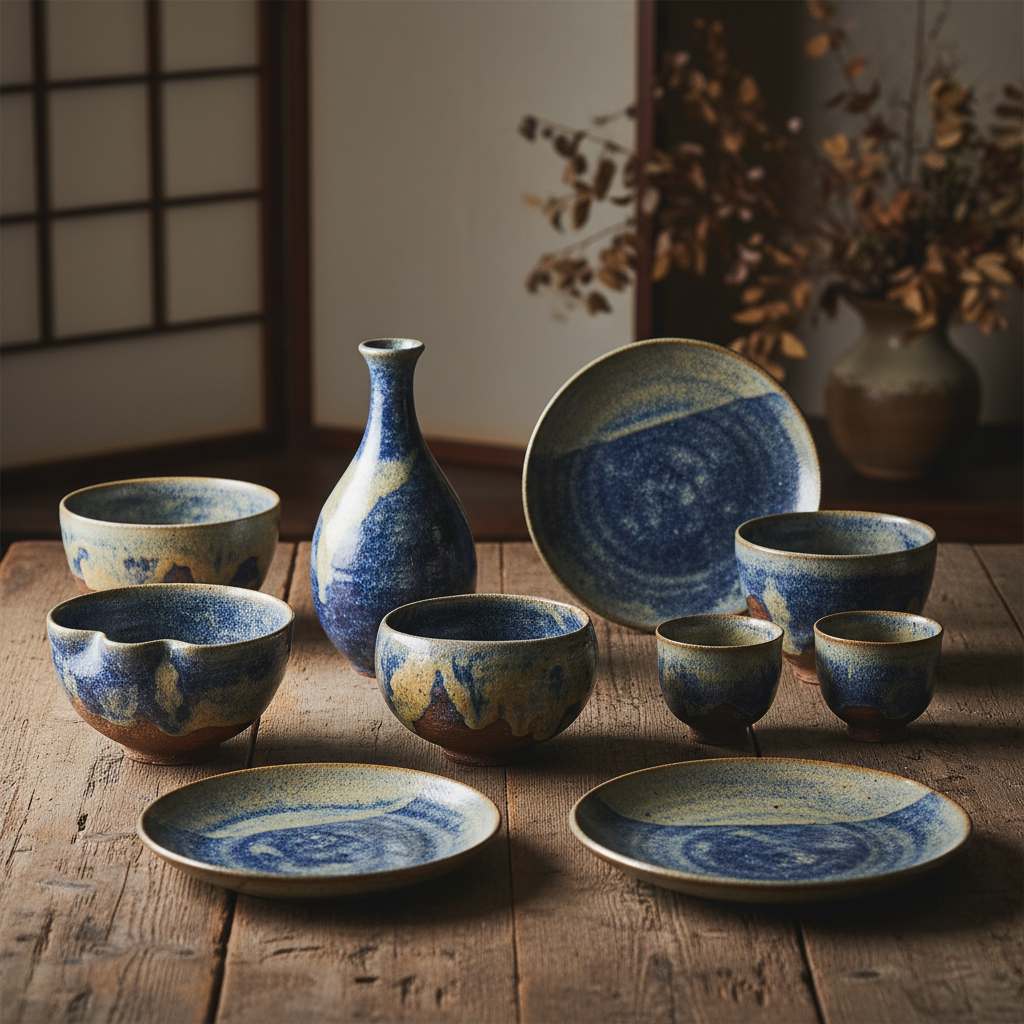

A Complete Guide to Karatsu Ware: A Thorough Explanation of the History, Characteristics, and Charm of Saga Prefecture’s Renowned Ceramic Production Area
Karatsu ware (Karatsu-yaki), produced in the region centered on Karatsu City in the northern part of Saga Prefecture, is one of Japan’s representative traditional ceramic wares. In the world of tea ceremony, it is acclaimed as “First Raku, Second Hagi, Third Karatsu,” and has been highly valued alongside Raku ware and Hagi ware. This article provides a thorough explanation of Karatsu ware, covering its history, techniques, characteristics, contemporary kilns, and purchasing methods.
Karatsu Ware: Basic Knowledge of Saga Prefecture’s Representative Ceramic
Karatsu ware is a collective term for pottery fired in Karatsu City and surrounding areas such as Imari City and Takeo City in Saga Prefecture. It is believed to have been started by pottery craftsmen who came from the Korean Peninsula from the late 16th to early 17th century, and boasts a history of over 400 years.
Definition and Production Area of Karatsu Ware
The production area of Karatsu ware is not strictly limited to Karatsu City alone. Historically, the following regions are known as the main production areas of Karatsu ware:
- Karatsu City: The birthplace of Karatsu ware, where many kilns are still concentrated
- Imari City: Carrying on the Karatsu ware tradition centered on Okawachi Mountain
- Takeo City: Numerous kiln ruins known as Takeo Old Karatsu exist
- Arita Town vicinity: Some kilns continue the techniques of Karatsu ware
In Saga Prefecture’s ceramic industry, Karatsu ware is positioned as one of two major brands alongside Arita ware. The major difference is that Arita ware centers on porcelain, while Karatsu ware is primarily stoneware.
Characteristics of Karatsu Ware: Warmth of Earth and Simple Beauty
The greatest characteristic of Karatsu ware lies in its simple yet powerful beauty. The main characteristics include:
- Soil texture: Warm texture achieved through the use of iron-rich local ceramic clay
- Variety of glazes: Rich expression of glazes made from natural materials such as straw ash glaze and wood ash glaze
- Decorative techniques: Diverse decorative methods including picture Karatsu, carved Karatsu, and spotted Karatsu
- Practicality: Forms emphasizing usability from tea ware to everyday tableware
- Respect for individuality: Freedom of artistic style where the individuality of each kiln and artist is valued
History of Karatsu Ware: From Korean Potters to the Present Day
Momoyama Period: Birth of Karatsu Ware (Late 16th to Early 17th Century)
The history of Karatsu ware traces back to Toyotomi Hideyoshi’s invasions of Korea (Bunroku and Keicho Campaigns, 1592-1598). During this period, many Korean potters were brought to Japan and settled in northern Saga Prefecture.
The daimyo of Hizen Province (present-day Saga and Nagasaki prefectures), the Hata clan, and later the Terasawa clan, protected these potters and encouraged the ceramic industry, allowing Karatsu ware to develop rapidly. At the time, tea ceremony culture was flourishing, and Karatsu ware gained high evaluation as tea ware.
Edo Period: Golden Age of Old Karatsu
From the early to mid-Edo period, Karatsu ware produced many masterpieces called “Old Karatsu.” Characteristics of this period:
- Development as tea pottery: Production of tea ware tailored to the tastes of Sen no Rikyu’s disciple Oribe Furuta and others
- Establishment of techniques: Unique techniques emerged through the fusion of Korean Peninsula technology and Japanese aesthetic sensibility
- Existence of diverse kilns: Over 100 kilns operated, including Kishitake kiln, Hokobashira kiln, and Shiinominé kiln
- Status as tributary goods: Under clan protection, Karatsu ware became treasured as tribute to the shogun and daimyo
From the mid-17th century onward, as porcelain (Arita ware) production became widespread in the Hizen region, Karatsu ware entered a period of temporary decline. However, production continued as everyday wares and folk kilns, remaining rooted in common people’s lives.
Modern to Contemporary Era: Revival of Tradition and New Development
From the Meiji period onward, Karatsu ware temporarily declined, but in the Showa period, momentum grew for reconsidering traditional crafts.
- 1955: Nakazato Muann is recognized as a holder of an Important Intangible Cultural Property (Living National Treasure) for Karatsu ware techniques
- 1960s onward: Influenced by the folk craft movement, the simple beauty of Karatsu ware is reevaluated
- 1980s onward: Emergence of young artists producing contemporary works utilizing traditional techniques
- Present: Coexistence of kilns and artists who continue to preserve tradition while pursuing innovation
In 2017, “Karatsu ware” was registered as a regional collective trademark, establishing a system for brand protection and quality maintenance.
Types and Techniques of Karatsu Ware: Diverse Methods of Expression
Karatsu ware has many classifications based on decorative techniques and glaze types. The main types are introduced here.
Picture Karatsu (E-Karatsu)
Karatsu ware decorated with flowers, birds, and geometric patterns drawn with white slip or iron pigment. It is characterized by simple yet powerful brushwork and strongly reflects the influence of Korean ceramics.
- Technique: Drawing iron pigment directly on the body or on white clay applied to the body
- Glaze: Clear glaze or straw ash glaze applied
- Representative patterns: Floral designs, reed patterns, bird designs, wave patterns, etc.
Spotted Karatsu (Madara-Karatsu)
Karatsu ware characterized by a unique appearance of white spots floating in a bluish glaze. Feldspar in the glaze remains unmelted, appearing as white spots.
- Characteristics: White spots scattered across a blue-gray ground
- Evaluation: Particularly favored by tea people, frequently used for tea bowls and tea containers
- Color development: Takes on a bluish tone through reduction firing in the kiln
Korean Karatsu (Chōsen-Karatsu)
Karatsu ware with contrasting application of black-brown iron glaze and white-opaque straw ash glaze. A unique appearance is created where the two glazes meet and blend.
- Technique: Iron glaze applied first, followed by straw ash glaze poured over it
- Color tone: Black and white contrast with subtle gradation at the boundary
- Uses: Wide variety of vessel types including tea bowls, small dishes, and plates
Carved Karatsu (Hori-Karatsu)
Karatsu ware decorated by carving patterns into the body. The carved sections accumulate glaze, creating light and dark variations resulting in three-dimensional expression.
- Technique: Carving patterns into semi-dried body using spatulas or combs
- Patterns: Vertical stripes, wave patterns, and geometric designs are common
- Effect: Glaze density varies depending on the depth of carving
Mishima Karatsu (Mishima-Karatsu)
Karatsu ware expressing patterns through impressed or inlay techniques. This incorporates Korean Peninsula Mishima hand techniques.
- Technique: Pressing stamps onto the body or embedding white clay in carved sections
- Patterns: Impressed patterns and geometric designs created through inlay
- Characteristics: Precise and delicate decorative expression
Other Types of Karatsu Ware
- Powder Karatsu: White clay applied to the entire body, then covered with clear glaze
- Yellow Karatsu: Using yellowish-tinted glaze
- Inner Kōrai: Technique imitating Korean tea bowls
- Plain Karatsu: Finished with glaze alone, without applied decoration
Manufacturing Process of Karatsu Ware: From Clay to Vessel
Karatsu ware is produced while preserving traditional methods. The main processes are introduced here.
1. Soil Preparation (Clay Wedging)
The ceramic clay used for Karatsu ware is primarily sourced from Saga Prefecture. Containing iron, it exhibits a warm tone after firing.
- Mining: High-quality clay extracted from mountains around Karatsu City
- Processing: Removing impurities and making particle size uniform
- Clay wedging: Important process of removing air and making clay hardness uniform
2. Forming
Karatsu ware forming primarily employs the following techniques:
- Wheel throwing: Used for round vessels such as tea bowls, plates, and bowls
- Hand-pinching: Making small objects and irregularly shaped vessels
- Slab forming: Combining clay extended into sheet form
- Mold forming: Forming using plaster molds and other techniques
3. Drying and Bisque Firing
After forming, vessels are naturally dried slowly, then bisque fired at approximately 800°C. This strengthens the vessel and makes glaze application easier.
4. Decoration and Glazing
After bisque firing, decoration is applied according to each technique:
- Painting: Drawing patterns with iron pigment or cobalt oxide
- Carving: Carving patterns using spatulas or combs
- Slip coating: Applying white clay
- Glazing: Applying straw ash glaze, wood ash glaze, iron glaze, etc.
5. Main Firing
Firing at high temperature of 1200-1300°C. The warm tones characteristic of Karatsu ware and the unique appearance of the glazes are created during this firing process.
- Kiln types: Climbing kilns, cave kilns, gas kilns, electric kilns, etc.
- Firing method: Reduction firing is standard (firing with restricted oxygen)
- Firing time: Varies depending on kiln type, but typically 24-48 hours
6. Kiln Opening and Quality Inspection
After firing, vessels are removed from the kiln after it has sufficiently cooled. Each piece is inspected to ensure there are no cracks or distortions.
Contemporary Karatsu Ware: Major Kilns and Artists
Currently, over 70 kilns exist around Karatsu City in Saga Prefecture, producing works that preserve tradition while incorporating contemporary sensibility.
Renowned Kilns and Artists
Nakazato Tarozaemon Kiln
- Representative kiln of Karatsu ware
- Boasts a tradition continuing for 14 generations
- Faithfully inherits Old Karatsu techniques
Ryutako (Nakazato Takashi)
- Born as the second son of the 13th Nakazato Tarozaemon
- Fuses traditional techniques with contemporary sensibility
- Highly evaluated both domestically and internationally
Nishioka Kojuniwa Kiln
- Focuses on research and recreation of Old Karatsu
- Produces masterpieces of spotted Karatsu and Korean Karatsu
Kagamiyama Kiln
- Kiln inheriting the spirit of folk crafts
- Production focuses on everyday-use vessels
Emergence of Young Artists
In recent years, increasing numbers of young artists learn tradition while pursuing unique expression. They:
- Design vessels suited to contemporary lifestyles
- Pioneer sales channels utilizing SNS and online shops
- Actively expand overseas
- Pursue collaborations with other industries
Through these new initiatives, they promote the appeal of Karatsu ware.
Visiting the Karatsu Ware Production Area: Tourism and Experience
Karatsu City, the production area of Karatsu ware, is a fascinating destination for ceramic enthusiasts.
Major Sites in Karatsu City
Karatsu Ware General Exhibition Hall “Karatsu Ware Cooperative Union”
- Location: Shinkō-machi, Karatsu City
- Features: Exhibition and sale of works from numerous kilns
- Access: Approximately 10 minutes on foot from JR Karatsu Station
Karatsu City Furusato Hall Alpino
- Exhibits on the history and techniques of Karatsu ware
- Ceramic experience workshops held
Kiln Tours
- Many kilns accept workshop tours and artwork purchases
- Advance reservations often required
- Valuable opportunity to converse directly with artists
Ceramic Experience
Multiple facilities and kilns within Karatsu City offer ceramic experiences:
- Wheel throwing experience: Creating bowls or plates on an electric wheel (approximately 1-2 hours)
- Hand-pinching experience: Creating freely-formed vessels (approximately 1-2 hours)
- Painting experience: Painting on bisque-fired pieces (approximately 30 minutes to 1 hour)
Completed works are typically sent by mail at a later date.
Karatsu Ware-Related Events
Karatsu Yakimono Festival
- Held: During Golden Week each year
- Contents: Exhibition and sale of kiln works, ceramic experiences, food stalls, etc.
- Attendance: Over 100,000 visitors
Autumn Karatsu Ware Exhibition
- Held: Around November
- Contents: Display and sale of selected works
Selecting and Purchasing Karatsu Ware
Points for Selecting Karatsu Ware
When purchasing Karatsu ware, refer to the following points:
- Consider intended use: Clarify the purpose of use such as tea ware, tableware, or flower vessels
- Handle and examine: Verify weight, feel to touch, and mouth feel in person
- Appreciate the appearance: Savor the appeal of one-of-a-kind pieces such as glaze flow and color variation
- Understand artist individuality: Comprehend the characteristics of each kiln or artist
- Consider budget: Price ranges vary widely from everyday use to collectibles
Purchasing Methods
Direct Purchase
- Kiln visits: Deepened understanding of works through direct dialogue with artists
- Exhibitions and events: Compare and consider works from multiple kilns
- Specialty shops and galleries: Karatsu ware specialists exist in major cities like Tokyo and Osaka
Online Purchase
- Official kiln websites: Many kilns operate online shops
- Craft specialty e-commerce sites: Compare and purchase works from multiple artists
- Auctions and resale apps: Old Karatsu and rare works may be listed
Local Tax Contribution (Furusato Nōzei)
- Karatsu ware can be selected as a Karatsu City local tax contribution return gift
- Acquire pieces while contributing to the region
Price Range Guide
The price of Karatsu ware varies greatly depending on artist renown, piece size, and techniques:
- Everyday-use vessels: Approximately ¥2,000-10,000
- Tea bowl (general artist): Approximately ¥10,000-50,000
- Tea bowl (renowned artist): Approximately ¥50,000-hundreds of thousands
- Living National Treasure works: Hundreds of thousands of yen and above
- Old Karatsu (antiques): Tens of thousands to tens of millions of yen (varies greatly based on condition and period)
Use and Care of Karatsu Ware
Initial Preparation Before Use (Seasoning)
Since Karatsu ware is pottery, it has greater water absorption than porcelain. It is recommended to perform “seasoning” before first use:
- Wash the vessel thoroughly with water
- Place the vessel in a pot and add water mixed with rice washing liquid or flour
- Simmer over low heat for 20-30 minutes
- Remove from heat and allow to cool naturally
- Rinse thoroughly with water and allow to dry completely
This treatment seals the vessel’s fine pores, making it less prone to staining and soiling.
Everyday Use
- Before use: Soaking in water before use prevents soiling
- Plating: Use paper or leaves beneath fatty dishes rather than placing directly
- Temperature changes: Avoid sudden temperature fluctuations (preheat before pouring hot water, etc.)
- Microwave and dishwasher: Generally not usable (varies by piece, so verification is necessary)
Care Methods
Washing
- Wash as soon as possible after use
- Wash gently with neutral detergent and sponge
- Avoid sponges containing abrasives
- Allow to dry thoroughly after washing
Storage
- Store only after completely dry
- If stacking, place cloth or paper between pieces
- Store in places with low humidity
- For long-term storage, air out occasionally
Treating Stains and Soiling
- Tea stains and dirt: Polish gently with baking soda
- Stubborn stains: Soak briefly in bleach solution (be cautious of color loss)
- Mold: Kill bacteria by exposing to sunlight, then wash
Enjoyment of Development
Karatsu ware is said to have its “appearance develop” through use. Tea stains permeate to change color, and fine crazing appears in the glaze to increase appeal. Enjoying this change over time is one of Karatsu ware’s charms.
Karatsu Ware and Saga Prefecture’s Ceramic Culture
Saga Prefecture is the “pottery prefecture” possessing two major ceramic brands: Karatsu ware and Arita ware.
Differences from Arita Ware
Arita ware, produced in the same Saga Prefecture, has clear differences from Karatsu ware:
Karatsu Ware (Stoneware)
- Raw material: Clay (ceramic clay)
- Firing temperature: 1200-1300°C
- Texture: Warmth of earth, rough feel to touch
- Water absorption: Yes (seasoning required)
- Color tone: Brown, gray, etc., based on soil color
- Characteristics: Simple, powerful, individual
Arita Ware (Porcelain)
- Raw material: Ceramic stone (crushed stone)
- Firing temperature: 1300°C or above
- Texture: Smooth, glassy
- Water absorption: No
- Color tone: White ground with vibrant colored painting
- Characteristics: Precise, elegant, uniform
Saga Prefecture’s Ceramic Industry
Saga Prefecture’s ceramic industry is an important regional industry:
- Production value: Over ¥2 billion annually
- Number of kilns: Over 200 kilns in the prefecture
- Workers: Over 2,000 employed
- Markets: Shipped domestically and increasingly exported overseas
The prefecture is making efforts to promote the ceramic industry including successor development, overseas market development, and design support.
Contemporary Value of Karatsu Ware
In contemporary times, Karatsu ware’s value is being reassessed:
- Sustainability: Traditional manufacturing using local clay and glazes is environmentally friendly
- Value of handwork: Appeal of one-of-a-kind pieces absent in mass-produced goods
- Continuation of regional culture: Transmission of over 400 years of history and techniques
- Richness of spirit: Vessels that deepen with use and care
- International evaluation: Popular overseas as crafts embodying Japanese aesthetic sensibility
Learning About Karatsu Ware: To Understand More Deeply
Related Facilities and Museums
Saga Prefectural Kyushu Ceramic Culture Museum (Arita Town)
- Comprehensive display of ceramics from Kyushu including Karatsu ware
- Important collection of Old Karatsu masterpieces
- Address: 3100-1 Toshabara-Otsu, Arita Town, Nishi-Matsuura District, Saga Prefecture
Karatsu City Modern Library (Karatsu City Museum of History and Folklore)
- Display of historical materials on Karatsu ware
- Archival documents and kiln excavation materials
Kiln Gallery Spaces
- Many kilns have attached galleries displaying works
- Visitors can sometimes observe the artist’s creative process
Books and Resources
Main books for learning about Karatsu ware:
- “Karatsu Ware Introduction” series
- “Old Karatsu” (Bijutsu Publishing)
- “Research on Karatsu Ware” (various academic papers)
- Catalogs and artwork collections issued by kilns
Ceramic Studios and Courses
For those wishing to study Karatsu ware seriously:
- Ceramic studios in Karatsu City: Learn fundamentals through regular classes
- Apprenticeship with kilns: Pursue becoming an artist seriously
- Saga University Faculty of Art and Regional Design: Study ceramics through an academic approach
- Intensive short courses: Intensive courses for participants from outside the prefecture
Conclusion: The Appeal and Future of Karatsu Ware
Karatsu ware, with a history spanning over 400 years, continues to evolve in contemporary times as a proud ceramic of Saga Prefecture. Technology transmitted from the Korean Peninsula fused with Japanese aesthetic sensibility, embodying “beauty of use,” has been cherished by tea masters and ordinary people alike.
Karatsu ware, with the warmth of earth, the appearance of glaze, and the individuality of the artist unified, possesses the appeal of one-of-a-kind works where no two are identical. Its versatility, accommodating uses from everyday vessels to tea ware, is another major characteristic.
In modern times, kilns that preserve tradition coexist with young artists pursuing innovation, showing Karatsu ware in new developments. Its reputation both domestically and internationally is rising, being transmitted globally as Japanese traditional craft.
When visiting Saga Prefecture, be sure to visit Karatsu City kilns and actually touch Karatsu ware. By directly experiencing the feel of earth, the expression of glaze, and the artist’s intention, you can truly understand Karatsu ware’s authentic charm.
A chance encounter with a single vessel will add new color to your daily life. Karatsu ware is truly a “lifetime piece,” a vessel that deepens in affection with use and offers the joy of development.