
Complete Guide to Mino Ware: History and Charm of Japan’s Largest Ceramic Production Center, Pride of Gifu Prefecture
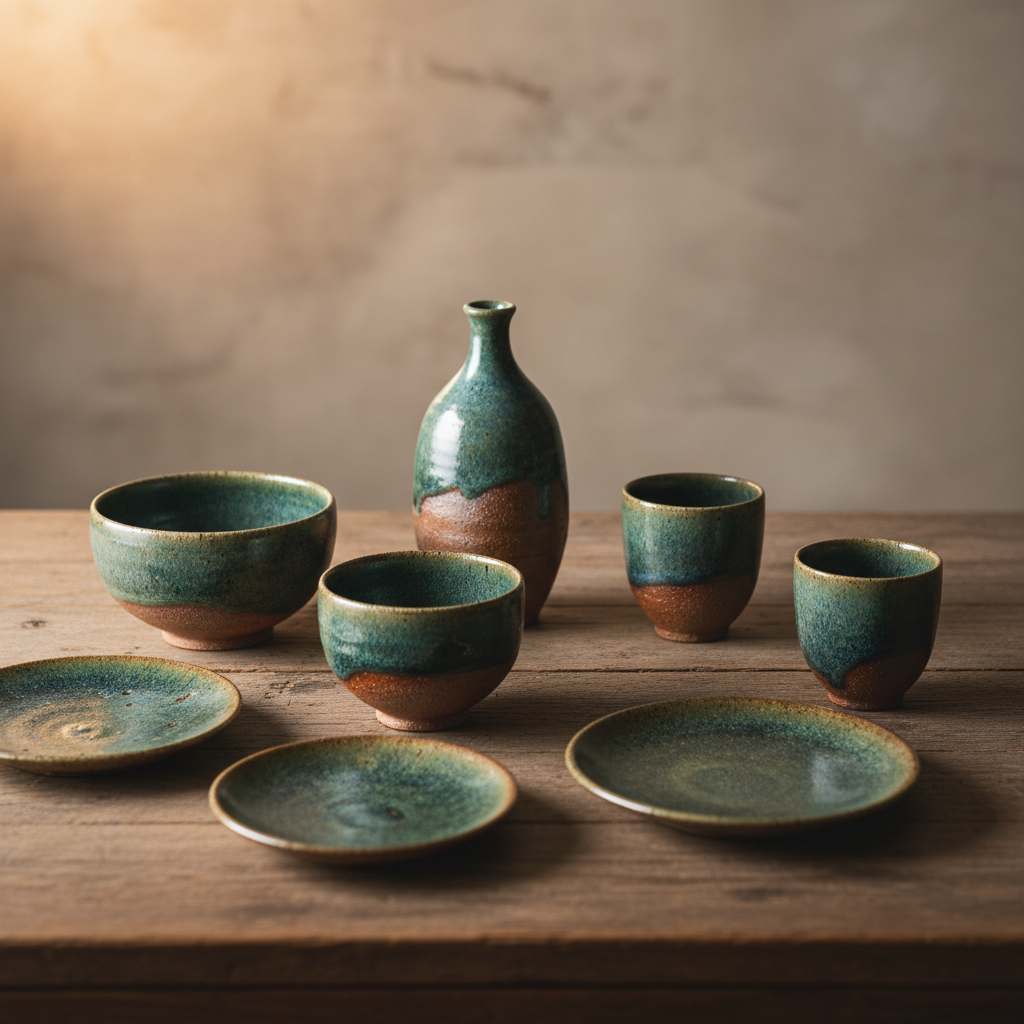
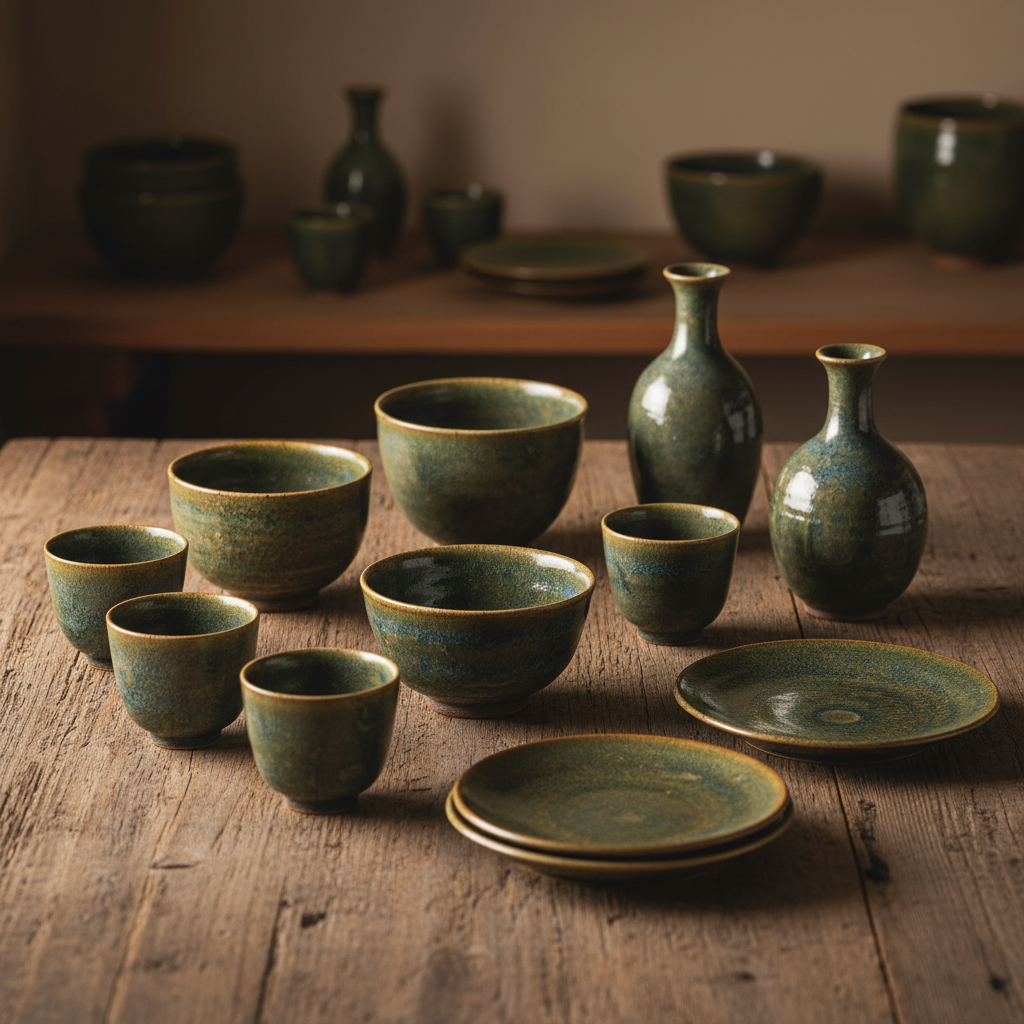
Mino ware, produced in the Tono region of eastern Gifu Prefecture, is known as Japan’s largest ceramic production center, accounting for approximately 50% of domestic ceramic production. With over 1,300 years of history, Mino ware has created diverse styles such as Oribe ware, Shino ware, and Ki-Seto ware. As both a traditional craft and modern tableware that adorns contemporary dining tables, it is widely beloved.
This article comprehensively explains Gifu Prefecture’s ceramic culture, from the historical background of Mino ware to current production conditions, representative techniques, and characteristics of the production area.
Mino Ware: Overview of Japan’s Largest Ceramic Production Center
Definition and Production Area of Mino Ware
Mino ware is a collective term for ceramics produced in the Tono region of southeastern Gifu Prefecture. The main production areas span four cities: Tajimi, Toki, Mizunami, and Kani, with Tajimi and Toki playing central roles.
Geographically located in the Kiso River water system, the region possesses three major conditions ideal for ceramic production: high-quality ceramic clay, timber for fuel, and convenient water transportation. This blessed natural environment became the foundation for developing Mino ware into Japan’s largest production center.
Production Scale and Economic Importance
Mino ware production accounts for approximately 50% of Japan’s domestic ceramic production, and is said to hold a market share exceeding 60% in tableware alone. Annual production value reaches hundreds of billions of yen, supporting the regional economy as Gifu Prefecture’s important local industry.
The production area is home to approximately 300 kilns and ceramic manufacturers, producing everything from traditional handmade items to mass-produced goods. This diversity is both a major characteristic and strength of Mino ware.
1,300 Years of Mino Ware History: Ancient Times to Present
Ancient and Heian Period: The Age of Sue Ware
The origins of Mino ware trace back to the late Kofun period through the Nara period in the 7th century. Gray, hard earthenware called sue ware was produced in this region, which is considered the origin of Mino ware.
During the Heian period, ash-glazed ceramic production began, and glazed ceramics requiring advanced techniques for the era came to be made. Many kiln sites from this period remain in the Tono region, testifying that the area was a center of ceramic production from ancient times.
Kamakura and Muromachi Periods: Influence of Old Seto Style
From the Kamakura through Muromachi periods, Mino ware was strongly influenced by techniques from neighboring Seto (Aichi Prefecture). This period is called the “Old Seto style,” when practical pottery using ash glaze and iron glaze was mainly produced.
By the late 15th century, technological innovation unique to the Mino region began, and the foundation for an independent production area separate from Seto was formed. During this period, kiln structures were also improved, enabling higher-temperature firing.
Momoyama Period: The Golden Age of Mino Ware
The late 16th to early 17th century Momoyama period was the most important time in Mino ware’s history. With the flourishing of tea culture, innovative tea ceramics responding to the demands of tea practitioners were created one after another.
The representative styles born during this period were Shino ware, Oribe ware, Ki-Seto, and Seto black. Particularly, Oribe ware, created under the direction of Oribe Furuta, a disciple of Sen no Rikyu, was revolutionary with its bold forms and innovative design.
Mino ware of the Momoyama period broke free from imitation of Chinese ceramics and expressed Japanese aesthetic sensibilities as an art form, remaining highly valued in modern times.
Edo Period: Development as an Industry
Entering the Edo period, Mino ware shifted its focus from tea ceramics to everyday household goods production. By the late 17th century, porcelain production techniques were introduced, and decorative techniques such as underglaze blue painting and overglaze red enamel were adopted.
In the 18th century, mass production systems were established under the protection of the Owari domain. During this period, several hundred kilns operated in the Mino region, making it a major production center supplying products nationwide.
Meiji and After: Modernization and International Expansion
Entering the Meiji period, Western techniques and designs were introduced, and Mino ware developed rapidly as a modern industry. Particularly from the late Meiji through Taisho periods, exports to Europe and America were active and contributed to foreign currency acquisition.
During the Showa period, the introduction of gas and electric kilns improved production efficiency, establishing the foundation for modern mass production systems. Meanwhile, craftspeople and kilns preserving traditional techniques continue to exist, developing in both traditional and innovative aspects.
Representative Types and Techniques of Mino Ware
Shino Ware: The Warmth of White Glaze
Shino ware is one of the representative styles of Mino ware, born during the Momoyama period. Its defining characteristic is a thick white glaze with feldspar as the main ingredient. This glaze develops a distinctive soft white color during firing, creating a warm texture.
Shino ware has varieties including plain Shino, painted Shino, rat Shino, and crimson Shino. Painted Shino has patterns drawn with iron pigment on white glaze and is characterized by simple yet powerful expression.
Shino ware production employs a special firing method called reduction firing, which reduces oxygen in the kiln to achieve distinctive coloration.
Oribe Ware: Innovative Design
Oribe ware reflects the aesthetic sense of tea practitioner Oribe Furuta and represents Momoyama period Mino ware. Its defining characteristic is bold forms and vivid green color from copper glaze.
Oribe ware has diverse variations including blue Oribe, black Oribe, red Oribe, and Narumi Oribe. Blue Oribe features beautiful contrast between green glaze and white clay, often with geometric patterns or pictorial decoration.
The distorted forms and asymmetrical designs were extremely innovative for the time, marking an important turning point in Japanese ceramic history. Even today, their avant-garde nature remains vibrant, continuing to influence many ceramic artists.
Ki-Seto: The Elegant Brilliance of Yellow
Ki-Seto is a technique using glaze made by adding iron to ash glaze, creating various color tones from pale yellow to rich golden yellow. This style was perfected during the Momoyama period and is characterized by an elegant and refined impression.
Ki-Seto also includes a technique called “abura-age,” where iron painting or green glaze decoration is added. This creates a unique texture on the surface, with flavor said to increase with use.
Seto Black: The Beauty of Jet Black
Seto black is a technique achieving deep black color by firing iron glaze at high temperature and withdrawing it mid-firing for rapid cooling. It is often used for tea bowls and was treasured as tea ceramics favored by Rikyu.
The unique manufacturing method called “hikidashi black” creates subtle luster on the surface, with warmth expressed within the jet black texture.
Contemporary Mino Ware: An Age of Diversity
Contemporary Mino ware inherits traditional techniques while advancing new product development for modern designs and uses.
Products range from everyday tableware to vessels used in high-end restaurants and modern decorative ceramics, responding to diverse needs. Particularly popular are products that combine functionality—compatible with microwaves and dishwashers—with traditional beauty.
The Geography and Characteristics of the Tono Region, Gifu: Mino Ware Production Area
Tajimi City: Center of Mino Ware
Tajimi City is the central production area of Mino ware and is known as the “ceramic capital.” The city is home to numerous kilns, galleries, and ceramic-related enterprises, serving as the heart of the Mino ware industry.
The Tajimi Mino Ware Museum allows visitors to learn about Mino ware’s history and techniques, displaying everything from works by Living National Treasures to contemporary artists. The “Tajimi Ceramic Festival” held annually in spring and autumn is a major event attracting ceramic enthusiasts from across Japan.
Toki City: Japan’s Largest Ceramic Production Volume
Toki City boasts Japan’s highest production volume and is particularly known for mass production of everyday tableware. The city houses the “Mino Ware Wholesale District,” a commercial area where wholesalers and manufacturers concentrate.
In Toki City, products from traditional handmade items to industrial goods using cutting-edge technology are produced. The city particularly focuses on developing high-function tableware such as bone china and reinforced porcelain.
Mizunami City: Source of Ceramic Clay
Mizunami City plays an important role as a source of high-quality ceramic clay, the raw material for Mino ware. The city has ceramic clay excavation sites that supply material to the entire Mino ware production area.
The Mizunami Ceramic Museum exhibits the region’s ceramic history and geological displays including fossils, allowing visitors to learn about the natural environment supporting Mino ware.
Kani City: Fusion of Tradition and Modernity
Kani City is historically significant as the location of the “Kukuri Large Kiln Remains” from the Momoyama period. Today, kilns preserving traditional techniques coexist with contemporary artists challenging modern design.
Raw Materials and Manufacturing Process of Mino Ware
Ceramic Clay: The Blessings of Earth Supporting Mino Ware
The quality of Mino ware is supported by high-quality ceramic clay excavated in the Tono region. This region’s clay has high plasticity and excellent post-firing strength, making it suitable for producing diverse vessel forms.
Major ceramic clays include frog-eye clay, wood-knot clay, and frog-eye feldspar, with blending adjusted according to use and desired texture. For porcelain, these are combined with Arita porcelain stone and similar materials to create whiter, denser ceramic bodies.
Molding Techniques: Tradition and Innovation
Mino ware molding employs various techniques including wheel throwing, hand-building, slip casting, pressure casting, and roller machine forming.
Traditional handmade items focus on wheel throwing and hand-building, while mass-produced items primarily use machine forming. Recently, new molding methods using 3D printer technology are being researched.
Decorative Techniques: Diverse Expression
Mino ware’s decorative techniques are extremely varied. Underglaze painting, overglaze painting, inlay, scraping, trailing, and appliqué are among the many employed techniques.
Contemporary methods include transfer techniques and digital printing technology, enabling efficient application of complex patterns. However, traditional hand-painting techniques continue to be carefully preserved, with premium items bearing the handwork of skilled craftspeople.
Glazes: Source of Color and Texture
Mino ware employs dozens of different glazes. Clear glaze, milky white glaze, colored glaze, crystal glaze—the appropriate glaze is selected based on desired expression.
Beyond traditional ash glaze, iron glaze, and copper glaze, modern chemically-formulated stable glazes are also used. Development of lead-free and cadmium-free glazes progresses with environmental consideration.
Firing: The Art of Fire
Firing is the final and most crucial step in ceramic production. Mino ware employs various kilns ranging from traditional wood-fired kilns to gas and electric kilns.
Typical firing temperatures are approximately 1,200 degrees for pottery and 1,300 degrees for porcelain. Different colorations and textures emerge from the same glaze depending on firing time, temperature curve, and kiln atmosphere (oxidation or reduction).
Preserving Mino Ware Tradition: Important Intangible Cultural Properties and Living National Treasures
Technical Holders of Shino and Oribe
Traditional Mino ware techniques are designated as Important Intangible Cultural Properties by the nation, with ceramic artists preserving these techniques designated as Living National Treasures (Important Intangible Cultural Property holders).
For Shino ware, Kura Suzuki was designated a Living National Treasure in 1994. For Oribe ware, Kozo Kato was designated in 1985. These artists have continued efforts to research Momoyama period techniques and revive them in contemporary times.
Traditional Technique Succession Activities
The Mino ware production area undertakes various initiatives to pass traditional techniques to the next generation. Educational institutions such as Gifu Prefecture’s Tajimi Industrial High School Ceramics Department and the Gifu Prefectural Tajimi Ceramic Design Research Institute play important roles in cultivating young ceramic artists.
Apprenticeship systems at individual kilns and personal instruction by artists are also important means of technique transmission. Recently, an increasing number of young people have moved to the Mino ware production area to study ceramics, with movements toward fusion of new sensibilities and traditional techniques.
Contemporary Development of Mino Ware: Industrial Challenges
Development of Functional Tableware
The contemporary Mino ware production area advances development of functional tableware combining traditional beauty with modern life requirements.
Products developed include microwave-compatible, dishwasher-safe, lightweight, and antibacterial-treated tableware, meeting consumer needs. Particularly in bone china and lightweight porcelain technology development, the Mino ware production area leads Japan’s cutting edge.
Design Innovation
Inheriting traditional patterns and forms while incorporating contemporary design sensibilities, increasingly diverse products are produced. Collaborations with renowned domestic and international designers occur frequently, exploring new Mino ware possibilities.
Products respond to diverse aesthetic sensibilities, from minimalist design to Scandinavian simplicity to Japanese modern style.
International Market Expansion
Mino ware actively pursues international market expansion beyond the domestic market. Particularly with the global popularity of Japanese cuisine, interest in Japanese tableware has grown.
Mino ware increasingly appears in high-end restaurants in Europe, America, and Asia. Movements toward establishing “MINO WARE” as an international brand continue.
Environmental Consideration
As a contemporary manufacturing industry, reducing environmental impact is crucial. The Mino ware production area works on establishing sustainable production systems through energy-efficient kiln introduction, waste recycling, and environmentally-friendly glaze development.
Experiencing Mino Ware: Tourism and Regional Exchange
Mino Ware Museums and Exhibition Facilities
The Mino ware production area features excellent facilities for learning ceramic history and culture.
The Tajimi Mino Ware Museum offers permanent exhibitions providing an overview of Mino ware history from ancient to contemporary times, with regular special exhibitions. Visitors can view works by Living National Treasures and masterpieces from the Momoyama period up close.
The Gifu Museum of Modern Ceramics is a specialized museum collecting and displaying domestic and international contemporary ceramic works, allowing visitors to understand Mino ware’s contemporary development.
Kiln Tour and Gallery Visits
One pleasure of visiting the production area is touring kilns and galleries. Tajimi and Toki cities have numerous open kilns and galleries where visitors can purchase works while speaking directly with artists.
The “Yakimono Walking Path” area offers the enjoyment of viewing historical kiln buildings and chimneys while experiencing the production area’s atmosphere.
Ceramic Experience Classes
The Mino ware production area offers numerous ceramic experience classes for tourists. Programs including wheel throwing, hand-building, and decoration experiences are available, allowing even beginners to enjoy ceramics.
Items created can be fired and mailed to homes later, serving as cherished travel memories.
Ceramic Festivals and Events
The production area hosts various events throughout the year.
The Tajimi Ceramic Festival (spring and autumn) is a major event attracting hundreds of thousands, offering Mino ware at 20-50% discounts. Kilns and wholesalers gather, providing opportunities to find bargains.
The Toki Mino Ware Festival similarly operates on a large scale, centered on the Mino Ware Wholesale District.
During these event periods, the entire production area is filled with energy, allowing full experience of Mino ware culture.
Selecting and Using Mino Ware
Selection by Use
When selecting Mino ware, clarifying the use purpose is important.
For everyday tableware, microwave and dishwasher-compatible functional products are recommended. Mass-produced items from Toki and Tajimi offer good quality-to-price balance, ideal for regular use.
For special occasion vessels or guest tableware, artist works or handmade items using traditional techniques are advisable. Traditional styles like Shino and Oribe beautifully complement Japanese cuisine.
For tea utensils, products from tea ceramic specialists and artists are recommended. Works by artists with specialized knowledge of tea bowl, water vessels, and flower vessels suited to respective uses should be selected.
Care and Storage
Proper maintenance is important for long-term use of Mino ware.
Before initial use, performing “sealing” by boiling in rice-water prevents dirt from entering crackle (fine glaze cracks). This is particularly effective for earthenware.
After use, wash quickly and dry thoroughly before storage. Extended soaking can cause mold and odors.
Porcelain is relatively durable and easy to handle, while earthenware has water absorption, so pre-soaking before serving prevents staining.
The Joy of Nurturing
Mino ware, especially traditional ceramics like Shino and Oribe, is known as “vessels to nurture,” gaining flavor with use.
With repeated use, glaze expression changes, creating unique character. This occurs as stains enter crackle, a phenomenon called “scenery developing.”
Enjoying this change while cherishing long-term use is one of Mino ware’s essential pleasures.
Future Initiatives for the Mino Ware Production Area
Successor Development and Technique Transmission
The Mino ware production area faces successor shortages, prompting area-wide efforts for youth cultivation.
The Gifu Ceramics Research Institute provides technical training and product development support, assisting new entrants and young artists. The “Mino Ware Traditional Craft Artisan” certification system also aims to improve social status of skilled craftspeople.
Digital Technology Adoption
Traditional industry Mino ware also progresses with digital technology. 3D scanning and digital archiving record and preserve masterpieces.
Complete online shops deliver products directly to nationwide consumers. Active social media information sharing reaches younger generations.
Establishment of Regional Brand
Establishing unified “Mino ware” brand image is important. The entire production area sets quality standards and works to enhance “Mino ware” brand value.
Consideration of registration in the Geographic Indication (GI) protection system progresses to protect intellectual property of “Mino ware.”
Sustainable Area Development
Efforts continue on reducing environmental burden, effective use of regional resources, and tourism collaboration.
Landscape preservation as a “ceramic town,” promotion of industrial tourism, and regional community collaboration pursue ceramic industry-centered regional development.
Conclusion: Mino Ware Spinning Gifu Prefecture’s Ceramic Culture
Mino ware has over 1,300 years of history, accounting for approximately half of Japan’s ceramic production as the nation’s largest production center. The rich natural environment of Gifu’s Tono region and techniques passed down through generations have nurtured this magnificent ceramic culture.
Traditional techniques like Shino ware, Oribe ware, and Ki-Seto, which flourished during the Momoyama period, continue to be carefully preserved today. Simultaneously, from everyday tableware to cutting-edge functional ceramics, it develops as an industry producing diverse products.
Tradition and innovation, handcraft and industrial production, artistry and practicality—various elements coexist and harmonize, constituting Mino ware’s great charm. This diversity is why Mino ware has remained the center of Japanese ceramic culture for over a thousand years.
When visiting Gifu Prefecture, be sure to visit the Mino ware production area, experiencing its history, culture, and contemporary spirit. Visiting kilns, conversing with artists, and experiencing hands-on work with clay is the finest way to understand Mino ware’s essential appeal.
Mino ware is not merely a vessel but crystallized Japanese aesthetic sensibility and living culture—a cultural heritage of which Gifu Prefecture is proud to share with the world.