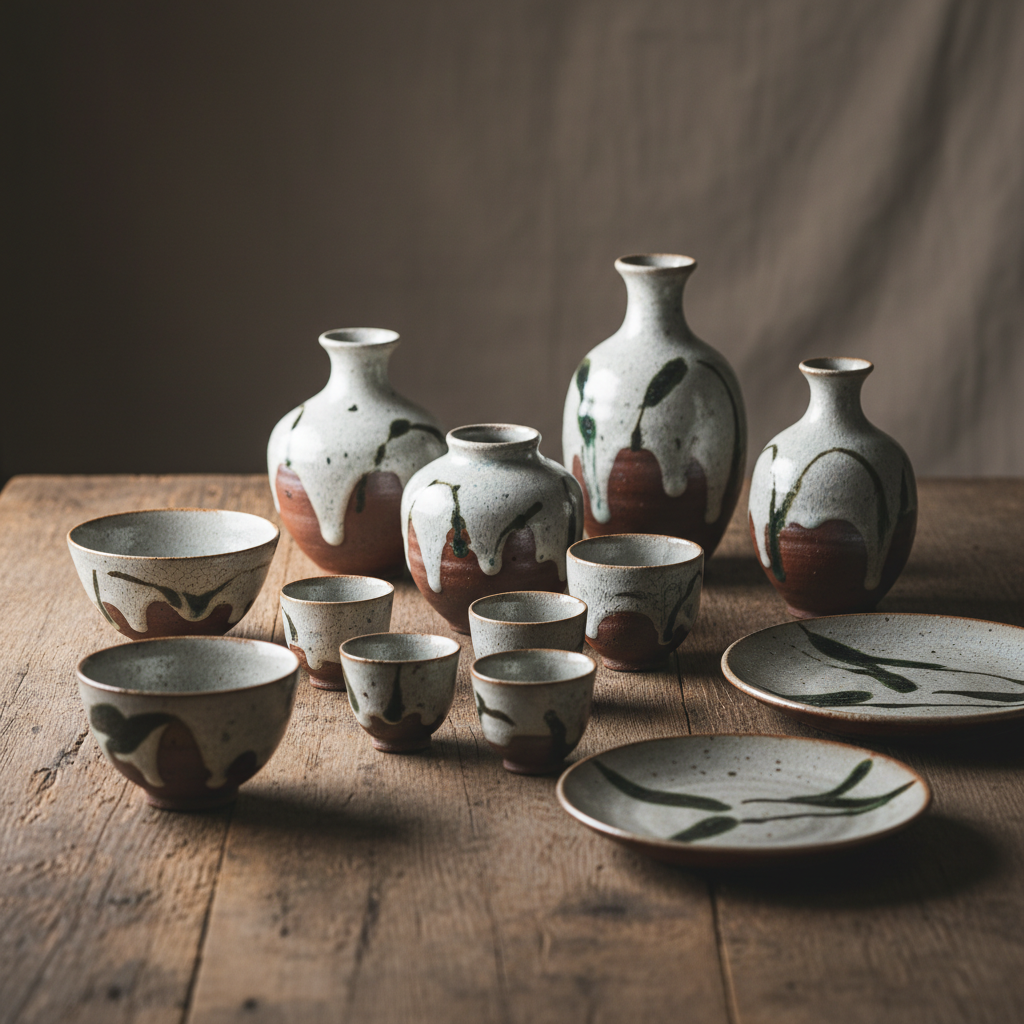

A Complete Guide to Ryukyu Pottery (Yachimun) | Thorough Explanation of Okinawa’s Ceramic Production Areas, History, and Characteristics
Ryukyu pottery, a traditional craft representing Okinawa Prefecture, is called “yachimun” in the local dialect and continues to fascinate many people with its unique aesthetic and powerful hand-painted designs. This article provides a comprehensive explanation of everything about yachimun—from its history to the present day, including Okinawa’s major ceramic production areas, characteristics, popular artisans, and how to purchase it.
What is Ryukyu Pottery (Yachimun)?
“Yachimun” is an Okinawan dialect word meaning “pottery.” It refers to all ceramics made in Okinawa Prefecture and is also called Ryukyu pottery. Its defining characteristics are chunky, thick vessel forms, bold and powerful hand-painted designs, and vivid colors reminiscent of the tropical sun.
Basic Characteristics of Yachimun
Yachimun has the following unique features:
- Thick Vessel Forms: Durable construction emphasizing practicality
- Bold Hand-painting: Traditional patterns including arabesque designs, fish motifs, and dot-stamping techniques
- Vivid Glazes: Color varieties such as cobalt blue, celadon, and amber glaze
- Rustic Aesthetic: Warmth and individuality inherent to handmade craftsmanship
- Suitability for Daily Use: Practical designs that enhance Okinawan cuisine
These characteristics emerged as a result of the fusion of traditions continuing from the Ryukyu Kingdom era and diverse techniques brought through trade with China and Southeast Asia.
History and Development of Ryukyu Pottery
From Ancient Times to the Ryukyu Kingdom Period
The history of pottery in Okinawa dates back approximately 6,600 years to the making of earthenware. However, large-scale ceramic production began around the 14th to 16th centuries.
During this period, the Ryukyu Kingdom prospered as an important trade hub in East Asia, engaging in active commerce with China, Korea, and Southeast Asian nations. Ceramics were abundantly imported from China’s Ming Dynasty and southern nations, making Okinawa one of the major centers for East Asian ceramics. Learning extensively from these imported ceramics, Okinawa developed its own distinctive pottery culture.
The Satsuma Invasion and Development of Manufacturing Techniques
The 1609 invasion by the Satsuma Clan marked a crucial turning point in the history of Ryukyu pottery. With overseas trade restricted, King Shō Nei of the Ryukyu Kingdom recognized the need for industrial development and invited Korean potters (Ichiroku, Ikkan, and Sankan) from Satsuma.
These potters transmitted ceramic-making techniques at the Wakuta kiln in present-day Shuri, Naha. The fusion of advanced pottery techniques from the Korean Peninsula with Okinawa’s indigenous techniques established the technical foundation for yachimun.
Consolidation of Kilns in Tsuboya and the Birth of Tsuboya Ware
In 1682, King Shō Tei of the Ryukyu Kingdom implemented a groundbreaking policy. He consolidated potters previously scattered throughout the prefecture into the Tsuboya district in Naha. Through this consolidation of kiln sites, “Tsuboya ware” began in earnest.
Located in central Naha, Tsuboya developed as a production center for goods offered to the royal court and for everyday utensils. The consolidation of kilns spurred active technical exchange, realizing improvements in quality and production efficiency. Tsuboya ware established its position as the official kiln of the Ryukyu court, becoming Okinawa’s representative ceramic production area.
Meiji Period Crisis and Modernization
Entering the Meiji period, Tsuboya ware faced major challenges. Large quantities of inexpensive and durable porcelain products flooded in from the mainland, gradually causing traditional pottery to lose market share. Many kiln operators faced closure, and Tsuboya ware entered decline.
However, through the efforts of potters committed to preserving tradition, Tsuboya ware survived. Its value as an art form became recognized alongside its use as everyday ware, and it gradually found a path to recovery.
Postwar Recovery and Expansion to Yomitan Village
Despite the devastating damage Okinawa suffered in World War II, the yachimun tradition regained life after the war. In the 1950s, ceramic production resumed in Tsuboya, and the succession of traditional techniques progressed.
The 1970s brought new developments. Environmental regulations accompanying Naha’s urbanization began restricting the use of wood-fired kilns in Tsuboya. This prompted many potters to relocate to Yomitan Village, where they established new kilns.
In Yomitan Village, groups of kilns became known as “Yomitan-san Yaki” (Yomitan pottery), with particular focus on shared kilns like the “Yomitan Kitagama.” Yomitan Village has become the area with the highest concentration of potters in Okinawa Prefecture and has developed as a new center for yachimun.
Recognition as a Traditional Craft and Modern Era
On June 2, 1976, Tsuboya ware was designated as a national traditional craft. This designation led to public support for preserving and transmitting traditional techniques, and the cultural value of yachimun became widely recognized.
In contemporary times, more artisans pursue new expressions while respecting tradition, and yachimun continues to develop in diverse ways. Along with Okinawa’s tourism industry development, yachimun has gained high evaluation nationwide and internationally as a craft symbolizing Okinawan culture.
Major Ceramic Production Areas in Okinawa Prefecture
Multiple yachimun production areas exist within Okinawa Prefecture, each with distinct characteristics.
Tsuboya (Naha City)
Tsuboya is the historical center of Ryukyu pottery, and many kilns remain in the Tsuboya district of Naha today. Tsuboya Yachimun-dori (Street) features workshops, galleries, and shops in succession, making it a popular tourist spot.
Characteristics of Tsuboya Ware:
- Succession of traditional techniques and designs
- Two firing methods: rough ware (arayachi) and refined ware (jōyachi)
- Traditional hand-painting techniques including red-painted and underglaze blue decoration
- Thick, practical vessel forms
Rough ware is unglazed or transparent-glazed pottery, used for awamori (traditional Okinawan spirits) jars. Refined ware, with colored glaze applied, features brilliant designs and is widely used for tableware.
Yomitan Village
Yomitan Village is a newer yachimun center developed since the 1970s. Numerous kilns established by potters relocating from Tsuboya operate there, and it has become the area with the highest concentration of potters in Okinawa Prefecture.
Characteristics of Yomitan Pottery (Yomitan-san Yaki):
- Individualistic works based on tradition
- Collaborative production through shared kilns
- Creative activities in a natural-rich environment
- Active acceptance of young artisans
Yomitan Village hosts renowned kilns such as “Yomitan Kitagama” and “Yomitan-san Yaki,” each developing their own distinctive artistic style. Many workshops gather in areas known as yachimun-no-sato (pottery village), where viewing and purchasing are possible.
Other Production Areas
Beyond Tsuboya and Yomitan, Okinawa Prefecture has the following production areas:
- Chihana Ware (Okinawa City): An ancient kiln with history dating to the Ryukyu royal era
- Tamaki Ware (Nanjo City): Traditional kiln operators in the southern region
- Ikutōen (Naha City): A representative Tsuboya kiln perpetuating traditional techniques
- Kobashigawa Ceramic Factory: A long-established Tsuboya kiln operator
Each of these production areas and kiln operators possesses unique history and techniques, forming the diversity of yachimun culture.
Techniques and Glazes of Yachimun
Traditional Forming Techniques
Yachimun production employs the following traditional techniques:
- Wheel-throwing: Using electric or kick wheels for shaping
- Hand-building: Free-form creation through hand work
- Mold-pressing: Mass production using plaster molds
- Coil-building: The traditional technique of stacking clay coils
Types and Characteristics of Glazes
One element determining yachimun’s appeal is the brilliantly colored glaze. Primary glazes include:
Cobalt Glaze (Gosu): A glaze producing vivid blue color, used for hand-painted designs such as arabesque patterns and fish motifs. It represents a traditional decorative method influenced by Chinese underglaze blue techniques.
Celadon Glaze: A glaze with copper as its main component, producing deep green. Its color evokes Okinawa’s natural landscape.
Amber Glaze: An iron-rich glaze producing colors from tea brown to dark brown. Its simple, subdued aesthetic is appealing.
White Slip: A technique applying white slip to the vessel, then hand-painting over it. Works of beautiful contrast are created.
Red Painting: An overglaze technique where red and gold pigments are applied after firing, then re-fired. This allows for brilliant, delicate decoration.
Traditional Patterns and Designs
Yachimun features numerous traditional patterns, each with meaning and origin:
- Arabesque Patterns: A representative pattern influenced by China, symbolizing vitality and prosperity
- Fish Motifs: Auspicious patterns wishing for abundant catches and prosperity
- Dot-stamping: Decoration through regularly placed dots
- Line Carving: Technique of carving lines before applying glaze
- Itchin: Three-dimensional decoration created by squeezing slip
- Comb Marks: Wave-like patterns made with comb-like tools
These patterns are not mere decoration but reflect Ryukyuan culture, beliefs, and views of nature.
Representative Kilns and Popular Artisans
Artisans Perpetuating Traditional Yachimun
Ikutōen: A long-established kiln operator in Tsuboya preserving Tsuboya ware traditions, creating works using techniques passed down through generations. Particularly skilled in red painting and underglaze blue techniques, it conveys traditional designs to contemporary times.
Kobashigawa Ceramic Factory: A historic Tsuboya kiln perpetuating traditional Tsuboya ware techniques. It produces works ranging from everyday utensils to artistic pieces.
Ōmine Workshop: Centered on Ōmine Minekiyoshi, this workshop creates beautiful works based on traditional technique. White slip decorated with cobalt hand-painting is particularly famous.
Four Artisans of Yomitan Kitagama
Yomitan Kitagama, established in 1992, is a shared kiln where four potters use a climbing kiln communally while conducting independent creative activities from separate workshops:
Matsuda Yoneji: Characterized by powerful forms and vivid colors. He creates works incorporating contemporary sensibility while employing traditional techniques.
Matsuda Tomoji: Known for delicate hand-painting and graceful vessel forms. He engages widely, from everyday utensils to highly artistic works.
Miyagi Masaaki: Distinctive for his plain, warm artistic style. He is well-regarded for practical vessel-making that considers the user.
Yonabaru Masamoto: While valuing traditional techniques, he pursues unique expression. Powerful forms and vivid glazes characterize his work.
Artisans Creating Individual Yachimun Appeal
Pottery Workshop Ichi (Ichi): Established in 1996. Characterized by beautiful vessels with white slip and cobalt hand-painting, creating contemporary arrangements of Wakuta ware. High evaluation is given to works created through respect for ancient pottery and unique perspective.
Yachimun Workshop Yonamine: Based on traditional technique, works incorporating modern design are popular. Supported by younger generations.
Nomo Ceramic Studio: The workshop of Nomoto Shū, characterized by simple, refined design. Centered on easily usable everyday vessels.
Workshop Kotori-no: By a female artisan, characterized by delicate, gentle style. Small vessels and tiny dishes are particularly popular.
These artisans perpetuate tradition while displaying individual expression, enriching the world of yachimun.
The Relationship Between Yachimun and Ryukyu Glass
In discussing Okinawan traditional crafts, Ryukyu glass is as important as yachimun. While employing different materials and techniques, both share Okinawa’s culture and history.
History of Ryukyu Glass
The full-scale development of Ryukyu glass began after World War II. In the postwar material shortage, the practice of melting discarded glass bottles from US military bases for reuse is said to be its origin.
Impurities in cola and beer bottles created distinctive bubbles and color irregularities, which became characteristic of Ryukyu glass. Currently, it is established as an Okinawan representative craft, known for vivid colors and bubbles.
Commonalities with Yachimun
- Reflecting Okinawa’s Climate: Both express the brightness and openness of tropical regions
- Fusion of Practicality and Beauty: Beautiful crafts suitable for daily use
- Warmth of Handmade Work: Appeal of one-of-a-kind pieces through artisan craftsmanship
- Connection to Tourism Industry: High popularity as Okinawan souvenirs
Synergistic Effects
Yachimun and Ryukyu glass can be combined at the table to create a more distinctly Okinawan atmosphere. A popular approach includes arranging Okinawan cuisine on yachimun dishes and enjoying awamori or sanchpin tea (jasmine tea) in Ryukyu glass cups.
Many shops and workshops handle both, and they are loved by both tourists and local residents as venues where one can experience Okinawan craft culture broadly.
Recommended Yachimun for First-Time Buyers
Items for Beginners
The following items are recommended for yachimun beginners:
Small Plates and Dishes: Small and dish-sized yachimun are ideal for yachimun introduction, with affordable prices and multiple uses. They can be used as condiment dishes, dessert plates, or accessory trays.
Makkai (Bowls): The Okinawan term “makkai” means bowl and is practical for soups and rice bowls. Its thickness and durability make it suitable for daily use.
4-inch and 5-inch Plates: Medium-sized plates in these dimensions are versatile items accommodating various dishes. Multiple pieces arranged create a vibrant table setting.
Shisa Figurines: While not utilitarian, popular as interior décor expressing Okinawan character. With protective charm significance, they suit as gifts.
Selection Pointers
Consider Usage: First, think about the situations where you’ll use the piece. For daily use, durable and easy-to-handle items are recommended; for special occasions, highly decorative pieces are appropriate.
Confirm Dimensions: It’s crucial to physically handle the item and confirm size and weight. When purchasing online, carefully verify size specifications.
Artisan’s Style: Style varies greatly among artisans. Selection of artisans differs based on preference for traditional versus modern design.
Budget Setting: Yachimun ranges widely in price, from inexpensive small plates to expensive large plates. Select according to your budget.
Ease of Handling: For beginners, checking microwave and dishwasher compatibility is helpful. However, most traditional yachimun recommends hand-washing.
Where to Purchase Yachimun and Events
Purchase Locations Within Okinawa Prefecture
Tsuboya Yachimun-dori (Naha City): Many kiln-operated shops and galleries cluster in the Tsuboya district. You can browse and compare works by various artisans while strolling through historically significant streets. The Tsuboya Pottery Museum is also located there, allowing purchases while learning history.
Yachimun-no-sato (Yomitan Village): In the area where Yomitan ceramicists gather, numerous workshops including Yomitan Kitagama exist. The appeal lies in directly visiting artisans’ workshops in a nature-rich environment for purchasing.
Kokusai-dōri Vicinity (Naha City): Many yachimun shops catering to tourists concentrate there. Seeing numerous artisans’ works simultaneously allows easy comparison.
Ryukyu Folk Art Center: A facility broadly handling Okinawan crafts, with abundant yachimun selections. Artisans receive careful explanation regarding introductions and work characteristics.
Michi-no-Eki Kadena: A sales location handling works by artisans from Yomitan and Kadena areas, sometimes offering local pricing.
Yachimun Markets (Ceramic Markets)
Ceramic markets are regularly held in Okinawa, with many artisans exhibiting:
Tsuboya Ceramic Festival: A large-scale ceramic market held annually in November in the Tsuboya district. Numerous kilns participate, offering opportunities for purchases below usual prices. Events allowing one to learn yachimun history and culture occur simultaneously.
Yomitan Yachimun Market: A ceramic market held in Yomitan Village, primarily selling local artisans’ works. It offers valuable opportunities for direct conversation with artisans.
Yachimun and Utsuwa Market: An irregularly held event where artisans from within and outside Okinawa participate. With diverse merchandise beyond yachimun, broader options exist.
At these events, items typically sell below standard retail prices, and encounters with bargains are possible. Ability to engage directly with artisans deepens artwork appreciation.
Online Purchasing
Those living distant or wanting careful selection have access to well-developed online shops:
Murasakishikibu (Mundasui): A large online shop specializing in Okinawan ceramics and Ryukyu glass. Handling numerous artisan works, detailed descriptions and photos aid selection.
Yui-Māru Okinawa: An online shop broadly handling Okinawan traditional crafts. Yachimun selections are abundant.
Kiln Operator Direct Online Shops: Some kilns like Ikutōen operate independent online shops. Latest works and limited editions become available.
Major E-commerce Sites: Numerous yachimun specialists have storefronts on sites like Rakuten and Yahoo! Shopping, with point-return benefits.
When purchasing online, careful confirmation of dimensions, color, and usage precautions is essential, and selection of trusted retailers is important.
How to Use Yachimun and Care
Preparation Before First Use
Before using new yachimun, the following preparations prevent stains and soiling:
- Seasoning Treatment: Boil the vessel in rice-washing water or diluted wheat flour (for 15-20 minutes). This seals fine pores in the pottery, making stains less likely to penetrate.
- Water Soaking: Brief pre-use water soaking prevents food color and odor transference.
Daily Care
- Wash Soon After Use: Wash before grime penetrates
- Gently Clean with Soft Sponges: Avoid hard sponges and abrasives
- Thoroughly Dry: Remaining moisture causes mold and stains
- Be Careful Stacking: Place cloth between stacked pieces to prevent scratching
Things to Avoid
- Rapid Temperature Changes: Avoid pouring hot water immediately after refrigeration
- Microwave and Dishwasher: While some works permit use, generally avoid
- Direct Fire: Yachimun does not withstand direct flame
- Bleach: May damage glazes
Longevity Tips
- Regular sun-drying prevents moisture and mold
- Occasionally soak infrequently used pieces to prevent drying
- Select breathable storage locations
With proper care, yachimun lasts for decades, and appeal increases with use.
Yachimun Complementing Okinawan Cuisine
Yachimun’s compatibility with Okinawan cuisine is exceptional. Enjoying traditional cuisine in traditional vessels allows experiencing Okinawan food culture more authentically.
Cuisine Suited to Yachimun
Goya Champuru (Bitter Melon Stir-fry): Large plate presentation creates beautiful harmony between powerful hand-painting and green bitter melon.
Rafute (Braised Pork): Deep bowl presentation shows dish luster and glaze combining, stimulating appetite.
Sea Grapes: Small bowl presentation shows the ocean’s bounty and yachimun’s blue recalling Okinawa’s sea.
Okinawa Soba: Eating soba in a makkai (bowl) is incomparably delicious.
Jimāmi Tofu (Peanut Tofu): Small plate presentation with condiments creates an elegant dish.
Plating Pointers
To fully showcase yachimun’s appeal:
- Utilize Negative Space: Avoid overloading to display vessel designs
- Color Contrast: Enjoy food and vessel color combinations
- Create Height: Avoid flat presentations through three-dimensional arrangement
- Value Seasonality: Coordinate seasonal ingredients with vessel choices
Yachimun accommodates not only Okinawan cuisine but also Japanese, Western, and Chinese dishes, displaying remarkable versatility. Incorporating daily use enhances meals.
Yachimun’s Future and Succession
Contemporary Challenges
While receiving high evaluation as a traditional craft, yachimun faces several challenges:
Successor Shortage: Pottery requires extended apprenticeship and presents economic hardship during training, making young participation difficult.
Raw Material Securing: Procuring quality ceramic clay and glaze components yearly becomes increasingly difficult.
Balancing Tradition and Innovation: Preserving traditional techniques while creating works suited to contemporary lifestyles is demanded.
Price Competition: Competition with inexpensive imported ceramics makes appropriate-price sales challenging.
New Initiatives
Various efforts address these challenges:
Educational Institution Cooperation: Students studying ceramics at institutions like Okinawa Prefectural University of the Arts increase, developing new talent.
Enhanced Experience Workshops: Increasing workshops for tourists and locals to experience pottery-making raise understanding and interest.
Online Sales Expansion: Internet utilization enables national and worldwide artwork promotion.
Collaboration: Cooperation with other crafts and industries creates new value.
Rising Young Artisans: More young artisans learning tradition while incorporating contemporary sensibility emerge.
Succession Importance
Yachimun is not merely a craft but embodies Okinawan history and culture continuing from the Ryukyu Kingdom era. Transmitting its techniques and spirit to future generations preserves Okinawan identity.
Continuing evolution while preserving traditional technique ensures yachimun’s enduring appeal. We users contribute to cultural succession by understanding yachimun’s value and incorporating it into daily life.
Summary: The Appeal of Ryukyu Pottery (Yachimun)
Ryukyu pottery (yachimun), with over 600 years of history, is Okinawa Prefecture’s representative traditional craft. Through overseas trade during the Ryukyu Kingdom era, Korean potter techniques introduced by Satsuma, and development through Tsuboya kiln consolidation, it is transmitted to the present day.
Production areas centered on Tsuboya in Naha City and Yomitan Village feature artisans from tradition-preserving craftspeople to innovative young artists. Works embodying each artisan’s individuality are created while maintaining distinctive thick forms, powerful hand-painting, and vivid glazes.
Yachimun’s appeal extends beyond beauty to high practicality. Its durability for daily use and designs enhancing Okinawan cuisine bring richness to dining tables. With proper care, vessels endure decades, gaining appeal with use.
Various purchase methods exist—shopping in Tsuboya Yachimun-dori and yachimun-no-sato, hunting bargains at ceramic markets, and online access nationwide. Beginners benefit from starting with small plates, gradually building collections.
Ryukyu pottery bridges Okinawan history, culture, and contemporary life. Each handmade vessel holds artisan intentions and Okinawan landscape. Incorporating yachimun touches Okinawan culture richly, enhancing daily life.
Continuing evolution while perpetuating tradition ensures yachimun’s enduring appeal. When visiting Okinawa, visit kilns and workshops, engage with artisans, and discover your own yachimun.