
A Complete Guide to Shinjō Higashiyama Ware | History and Characteristics of Yamagata Prefecture’s Traditional Ceramics
What is Shinjō Higashiyama Ware
Shinjō Higashiyama Ware (新庄東山焼) is a traditional ceramic produced in Shinjō City, Yamagata Prefecture, continuing since Tenpō 12 (1841). Higashiyama refers to the hills in the eastern part of Shinjō City, and the settlements in this area are covered with thick clay layers, producing abundant high-quality ceramic clay.
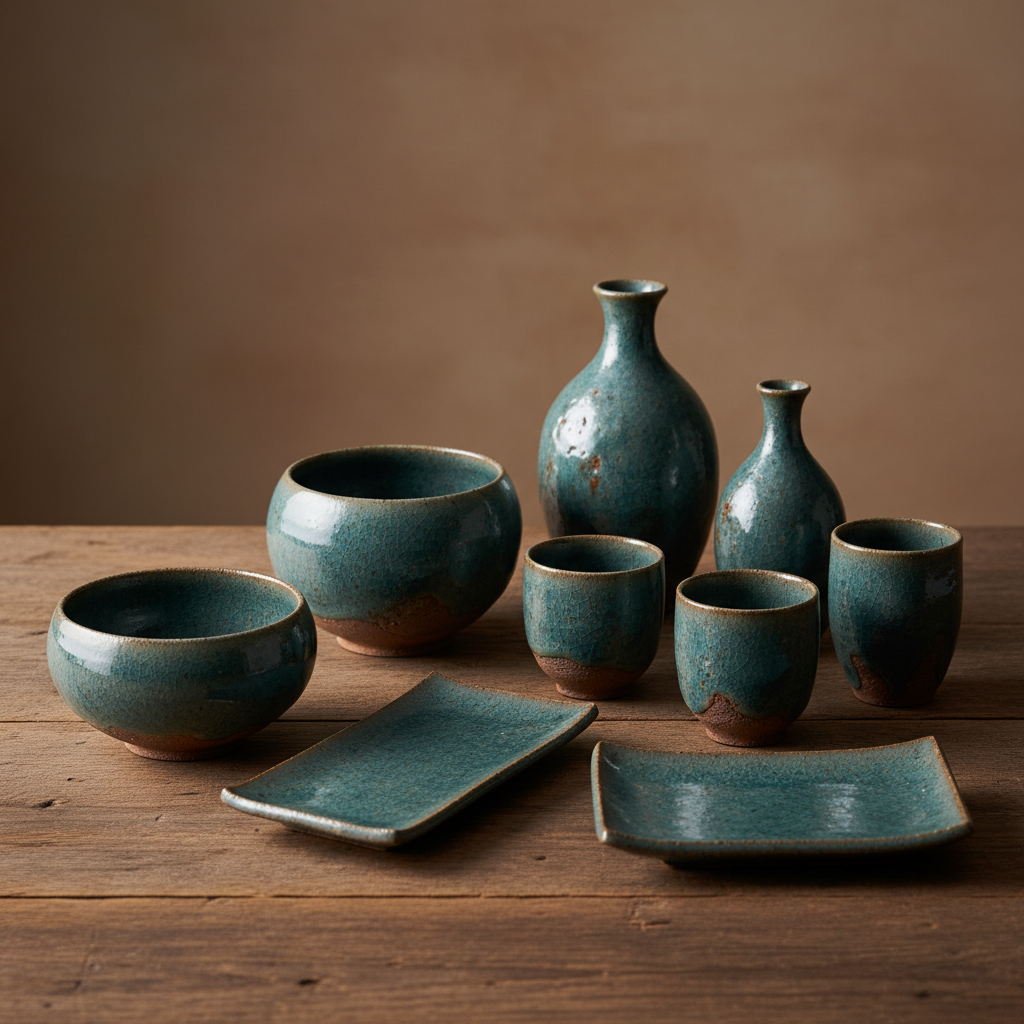
Shinjō Higashiyama Ware was founded as the official kiln of the Shinjō-Tozawa Domain and has been continuously passed down for over 180 years to the present day. Its greatest characteristic is a distinctive clear blue-tinged color referred to as “Dewa Snow Shadow,” and as practical ceramics for everyday use, it is highly valued not only by local residents but also by ceramic enthusiasts throughout the country.
Shinjō City as a Ceramics Production Area
Shinjō City is located in the northeast of Yamagata Prefecture and is the central city of the Mogami region. The Higashiyama district is located several kilometers east of the city center and has long been known as a place where high-quality clay is produced. This geological blessing became the foundation for nurturing the traditional craft of Shinjō Higashiyama Ware.
Even today, the kiln continues operations on the same grounds as when it was first founded, and the ceramic clay used as raw material is still extracted from the grounds. By continuing to use this locally produced ceramic clay, it becomes the source of the consistent quality and distinctive character of Shinjō Higashiyama Ware.
History of Shinjō Higashiyama Ware
The Circumstances of the Kiln’s Opening and the First Generation Wakui Yahei
The founder of Shinjō Higashiyama Ware was Wakui Yahei (涌井弥兵衛), a potter originally from Echigo. After traveling to various places and accumulating training experience, Yahei became enchanted with the high quality of the Higashiyama ceramic clay and decided to open a kiln there in Tenpō 12 (1841).
Initially, Yahei was employed by the Shinjō-Tozawa Domain as a tile maker and was responsible for the domain’s tile production. However, the vessels he began making in his spare time gained a good reputation, and he eventually became formally recognized as the official kiln of the Shinjō-Tozawa Domain. The first-generation Yahei not only devoted himself to ceramics made from ceramic clay but also exerted effort in porcelain production using crushed stone, expanding the breadth of his techniques.
Succession and Development Through Six Generations
Shinjō Higashiyama Ware has been passed down through six generations (according to some accounts, seven generations) from the founder to the present. Each successive head of the family has kept the family precepts while undertaking work suited to the times.
Particularly noteworthy is that over a history of more than 170 years, the techniques and traditions have been transmitted without ever being interrupted. This is a notably long history even among the ceramic production areas of the Tōhoku region, and can be said to be testimony to strong passion for ceramics rooted in the region and reliable techniques.
Ceramic Ware Made According to Family Precepts
Shinjō Higashiyama Ware has family precepts that have been passed down through the generations. These precepts state: “to create ceramics that are cherished by everyone and used in everyday life.”
These family precepts demonstrate that Shinjō Higashiyama Ware aims to be practical and accessible everyday ceramics rather than high-end art pieces. Its characteristics of being durable, hard to break, and developing improved appearance with use embody these family precepts exactly.
Characteristics of Shinjō Higashiyama Ware
The Color Known as “Dewa Snow Shadow”
The greatest characteristic of Shinjō Higashiyama Ware is the distinctive color evaluated as “Dewa Snow Shadow.” This is a pale color with a clear blue tinge, evoking the beauty of the snowy Yamagata landscape.
This color is primarily produced by a glaze called “namako glaze.” Because the way the glaze is applied varies from vessel to vessel, subtle differences in tone are created in each work even when using the same glaze. This deeply flavorful variation is precisely the appeal of handcrafted ceramics and one of the reasons Shinjō Higashiyama Ware is loved.
Characteristics of Locally Sourced Ceramic Clay
The ceramic clay used in Shinjō Higashiyama Ware has been extracted entirely from the kiln grounds from the time of its opening to the present day. This ceramic clay has the characteristic of firing and hardening well, and the finished ceramics are extremely durable and hard to break, possessing high practicality.
Being able to source raw materials locally is extremely important for maintaining consistent quality. Additionally, there are the advantages of incurring no transportation costs and being environmentally friendly. Most importantly, by continuing to use ceramic clay from the same land for over 180 years, the distinctive character unique to Shinjō Higashiyama Ware has been established.
Traditional Firing in a Climbing Kiln
Particularly noteworthy in the production of Shinjō Higashiyama Ware is the current use of a “climbing kiln,” which has become rare nationwide. A climbing kiln is a traditional kiln built on a slope and fires at high temperatures using firewood as fuel.
Ceramics fired in a climbing kiln have a distinctive character different from those fired in gas or electric kilns. Each piece develops a different appearance depending on how the flames strike it and how ash falls on it, appearing as an unpretentious beauty. While it is a traditional method requiring time and effort, this firing in a climbing kiln is an important element supporting the quality of Shinjō Higashiyama Ware.
Practicality and Durability
Shinjō Higashiyama Ware is created with emphasis on practicality for everyday use as well as value as an art piece. Well-fired ceramic clay makes it durable, hard to break, and able to be used for a long time.
Also appealing is the characteristic that its appearance improves with use. Through daily use, the ceramic surface develops a distinctive luster and character, and the relationship between the piece and its user deepens. This “joy of nurturing” is also one of the reasons Shinjō Higashiyama Ware is loved for so long.
Types of Glazes Used in Shinjō Higashiyama Ware
Shinjō Higashiyama Ware uses family-transmitted glazes to create works in various colors. Representative glazes are introduced below.
Namako Glaze
Namako glaze is the representative glaze of Shinjō Higashiyama Ware, characterized by a clear blue tinge referred to as “Dewa Snow Shadow.” Distinctive spotted patterns resembling the surface of a sea cucumber sometimes appear, allowing enjoyment of different expressions in each piece.
This glaze changes its coloration subtly depending on temperature, firing time, and position within the kiln. The appeal of namako glaze is the wide range of tones produced, from pale aquamarine to deep blue-green.
Soba Glaze
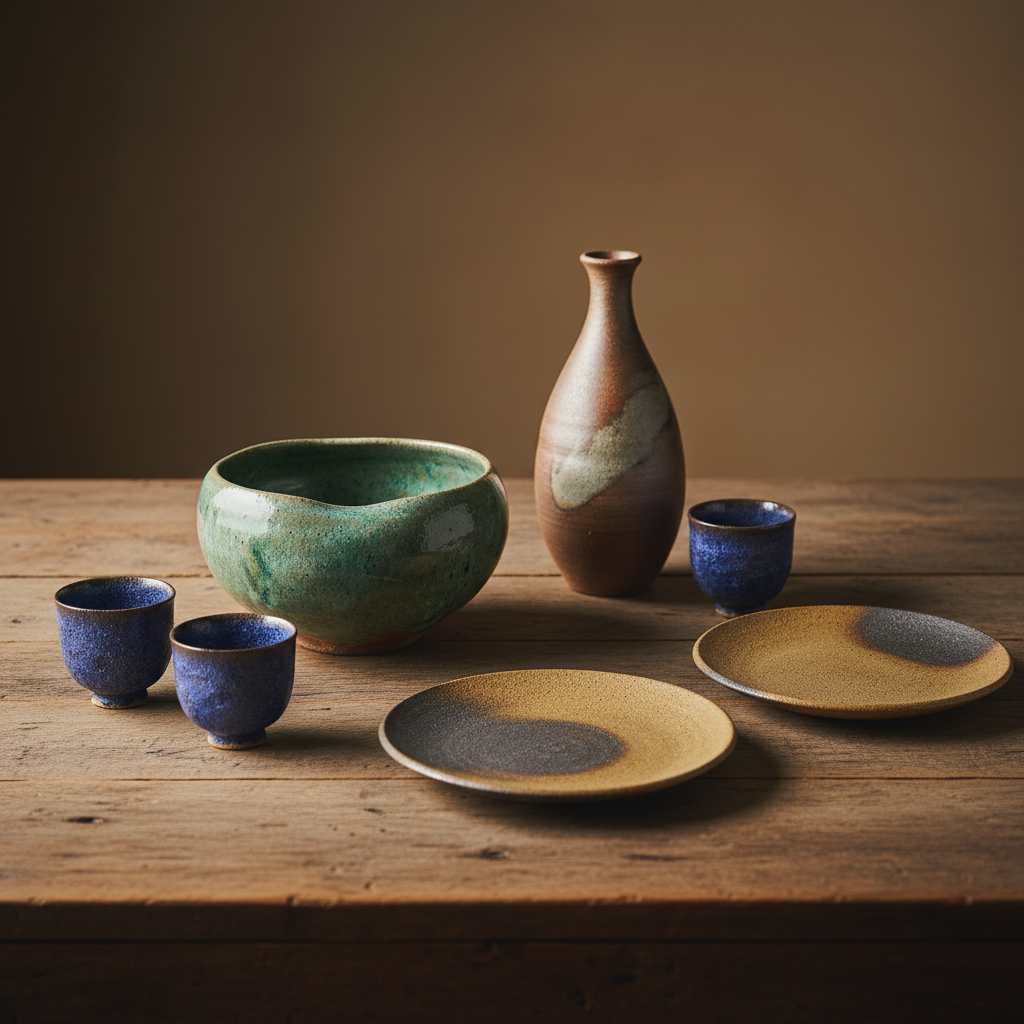
Soba glaze is a glaze that presents a warm brown color resembling buckwheat seeds. With its subdued coloring, it is especially popular as tableware for Japanese cuisine. Its rustic and warm character is ideal for everyday-use vessels.
White Glaze
White glaze is a glaze with a clean white color and is popular among those who prefer simple, timeless designs. Works combining white with other colors are also produced, and they match well with modern dining tables.
Midori Glaze
Midori glaze is characterized by a deep green color. With its color suggesting nature, it is often used in tea ceremony ware and flower vessels, evoking a calm atmosphere.
These family-transmitted glazes are created using formulations and techniques passed down through the generations. Because the firing conditions cause even the same glaze to change in color, the experience and intuition of the artisan play an important role.
Product Types of Shinjō Higashiyama Ware
Shinjō Higashiyama Ware produces various ceramics usable in everyday life.
Tableware
Tea bowls, plates, bowls, rice bowls, and other tableware for everyday dining are available in abundance. Taking advantage of their durable and hard-to-break characteristics, they are popular as practical everyday vessels. As the appearance improves with use, they can be cherished for a long time.
Sake Ware
Sake bottles, sake cups, and other sake vessels are also popular products of Shinjō Higashiyama Ware. The color of “Dewa Snow Shadow” has an elegance befitting the enjoyment of regional Tōhoku sake.
Tea Ceremony Ware
Tea bowls, tea saucers, teapots, and other tea ceremony implements are also made in Shinjō Higashiyama Ware. Tea ceremony ware combining unpretentious beauty with ease of use enriches the daily tea time.
Flower Vessels
Flower vases and single-flower vessels for arranging flowers are also produced. Simple designs enhance the beauty of flowers and harmonize with both Japanese and Western spaces.
Clay Pots
Shinjō Higashiyama Ware clay pots are renowned for being durable with good heat conductivity, producing delicious dishes. They can be used not only for winter hot pot dishes but also for cooking rice and braised dishes.
Challenges in New Products
While preserving tradition, challenges in new works continue. Efforts are being made to develop products that break from conventional frameworks, such as ceramic tanks, exploring new possibilities for traditional crafts.
Kilns and Artists of Shinjō Higashiyama Ware
The kiln of Shinjō Higashiyama Ware is known as “Yahei Kiln” (弥瓶窯). Named after the first-generation Wakui Yahei, this kiln continues to create works suited to modern life while preserving traditional techniques.
Techniques and spirit have been transmitted through six generations (or seven generations), with each successive head of the family making adjustments suited to the times while unchanged in the family precept of “ceramics for use in everyday life.”
The craftsmen continue to practice traditional methods: using ceramic clay extracted from the kiln grounds, employing family-transmitted glazes, and firing in a climbing kiln. This consistent approach supports the quality and individuality of Shinjō Higashiyama Ware.
Experience and Purchase Information for Shinjō Higashiyama Ware
Ceramic Arts Experience
The Shinjō Higashiyama Ware kiln offers pottery experience programs. Various techniques can be experienced, including hand-forming, decoration, and electric wheel throwing, allowing even beginners to enjoy the pleasure of ceramics easily.
Vessels created by participants are fired later and sent to them, making them perfect as souvenirs of a trip. It is also a valuable opportunity to directly observe the production site of a traditional craft.
Purchase Methods
Shinjō Higashiyama Ware can be purchased at the kiln’s direct sales shop, as well as at craft stores throughout Yamagata Prefecture and online shops. By visiting the kiln directly, you can select a work you like from a rich selection and hear stories from the maker.
Access Information
The kiln is located in the Kanazawa district of Shinjō City, Yamagata Prefecture. It is approximately 10 minutes by car from JR Shinjō Station and approximately 30 minutes on foot. It is recommended to contact ahead before visiting.
Shinjō Higashiyama Ware and Yamagata Prefecture’s Ceramic Production Areas
In addition to Shinjō Higashiyama Ware, Yamagata Prefecture has several other ceramic production areas, including Narushima Ware, Kamino Hatake Ware, Miyama Ware, and Goten Ware. Each production area has its own characteristics while forming Yamagata Prefecture’s ceramic culture.
Shinjō Higashiyama Ware is known among them for particularly long history and for combining the formality of an official kiln with practical everyday use. Within the ceramic production areas of the Tōhoku region, a kiln that has continued uninterrupted for over 180 years is a rare treasure.
Passing On Shinjō Higashiyama Ware to the Future
Shinjō Higashiyama Ware preserves tradition while also engaging in work creation suited to modern lifestyles. By continuing new challenges in design and use while employing traditional techniques and family-transmitted glazes, it aims to transmit to the next generation.
The traditional manufacturing methods of using locally sourced ceramic clay and firing in a climbing kiln also hold contemporary significance from an environmental perspective. As sustainable production utilizing regional resources, Shinjō Higashiyama Ware will continue to play an important role in the future.
Under the family precept of “ceramics for use in everyday life,” Shinjō Higashiyama Ware continues to create durable, beautiful vessels that inspire affection with use. Its unpretentious appeal will continue to be embraced and loved by many people.
Summary
Shinjō Higashiyama Ware is a traditional ceramic production area in Shinjō City, Yamagata Prefecture, continuing for over 180 years. Since its opening as the official kiln of the Shinjō-Tozawa Domain in Tenpō 12 (1841), techniques and spirit have been passed down through six generations.
Characterized by the clear blue tinge referred to as “Dewa Snow Shadow,” it is created through traditional methods of using locally sourced ceramic clay, family-transmitted glazes, and firing in a climbing kiln. Its high practicality of being durable, hard to break, and developing improved appearance with use is also appealing.
While adhering to the family precept of “ceramics for use in everyday life,” various products are created, including tea ceremony ware, tableware, sake ware, flower vessels, and clay pots. The kiln offers pottery experience programs, allowing people to experience traditional crafts up close.
As a ceramic production area representing Yamagata Prefecture, Shinjō Higashiyama Ware will continue to transmit the region’s culture and create vessels that enrich people’s lives.