What is Sueda Ware? A Comprehensive Explanation of the History, Characteristics, and Charm of a Traditional Ceramics Production Area in Yamaguchi Prefecture
Yamaguchi Prefecture is home to many traditional crafts, and among them, Sueda ware (suedayaki) is known as a precious ceramics production area with over 400 years of history. This article provides a thorough explanation of the charm of this traditional ceramic ware, from its historical background and manufacturing methods to its characteristics and contemporary efforts.
Basic Information and Overview of the Sueda Ware Production Area
What is Sueda Ware
Sueda ware is a traditional ceramic produced in the Sueda district located in Hagi City, Yamaguchi Prefecture. This region has been producing pottery since the early Edo period and has developed as an important ceramic production center in Nagato Province (currently the northern part of Yamaguchi Prefecture).
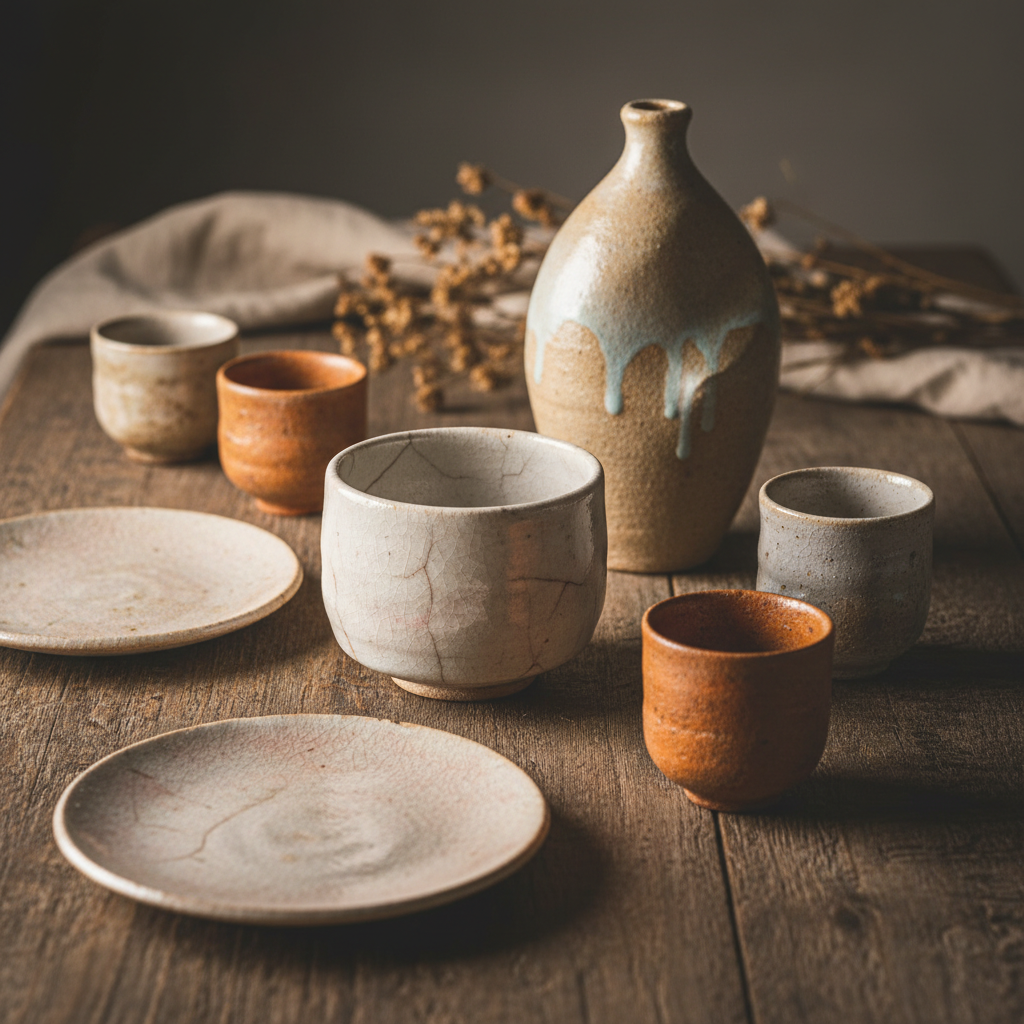
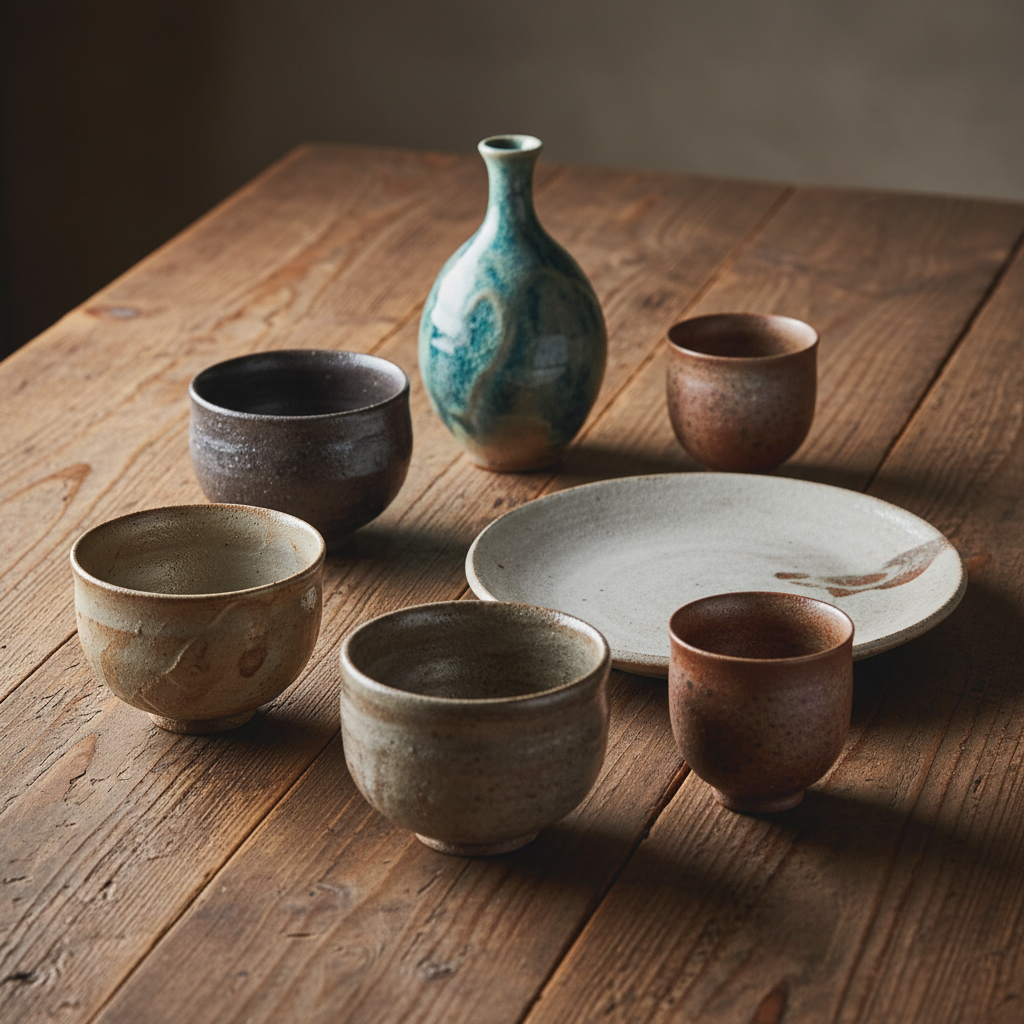
The greatest characteristic of Sueda ware is that it is made using high-quality ceramic clay sourced locally while preserving traditional techniques. Characterized by its simple and warm appearance, a wide range of works are produced, from everyday tableware to tea ceremony implements.
Geographical Characteristics of the Production Area
The Sueda district is located east of the center of Hagi City and is surrounded by abundant nature. The geological characteristics of this region have produced high-quality clay suitable for Sueda ware. The ceramic clay extracted from the surrounding mountains contains an appropriate amount of iron and produces a unique color tone after firing.
As a ceramics production area in Yamaguchi Prefecture, Hagi ware is nationally famous, but Sueda ware is also positioned as an important traditional craft in the region. The two are geographically close and have historically exchanged techniques.
History and Development of Sueda Ware
History of the Founding Period (Early Edo Period)
The history of Sueda ware dates back to the early 17th century in the early Edo period. Under the protection of the Mouri clan, it is said that ceramic production in this region began in earnest under the technical guidance of potters invited from the Korean peninsula.
Early Sueda ware primarily centered on the production of miscellaneous earthenware for daily use. Practical vessels closely connected to the lives of farmers and commoners were produced, developing into an important industry supporting the livelihood of local people.
Development from the Middle to Late Edo Period
By the middle of the Edo period, the techniques of Sueda ware improved significantly and production increased. During this period, multiple kilns operated and the foundation of the production area was established.
Particularly noteworthy is the beginning of tea ceremony implement production. While influenced by Hagi ware, Sueda ware established its own distinctive style and came to be valued by tea masters. Works combining simple beauty and practicality began to be distributed not only locally but to other regions as well.
Changes After the Meiji Period
After the Meiji Restoration, as Japan’s industrial structure underwent major changes, Sueda ware also entered a transitional period. The wave of modernization exposed it to competition with mass-produced goods, and production temporarily declined.
However, through the efforts of kilns dedicated to preserving tradition, the flame of Sueda ware was passed down without being extinguished. With the advent of the Showa period, influenced by the folk crafts movement, the value of hand-made traditional crafts was reassessed, and Sueda ware gained new appreciation.
Sueda Ware in Modern Times
Contemporary Sueda ware continues to operate while preserving traditional techniques and creating works suited to modern lifestyles. A small number of kilns continue to operate, each pursuing their own distinctive style.
As part of regional revitalization and tourism promotion, experience classes and gallery openings for Sueda ware have been established, and efforts are being made to inherit traditional crafts and communicate new appeal.
Manufacturing Methods and Techniques of Sueda Ware
Extraction and Preparation of Raw Materials
The production of Sueda ware begins with securing high-quality ceramic clay. The clay extracted from local mountains contains iron and other minerals and serves as an important element in producing the distinctive appearance of Sueda ware.
The extracted clay undergoes a process called “clay kneading” to remove impurities and adjust moisture content, preparing it to a state suitable for molding. This clay preparation stage greatly influences the final quality of the work.
Molding Techniques
Sueda ware primarily uses wheel-throwing techniques for molding. Vessels carefully shaped by the hands of skilled potters produce a warm expression through subtle differences in thickness and hand marks.
In addition to wheel-throwing, hand-building and mold-based shaping are also employed. For specialized shaped works such as tea ceremony implements, these techniques are sometimes used in combination.
Decorative Techniques
Sueda ware decoration is based on simplicity, though several techniques are employed.
Brushmark (hakeme)
A technique of applying slip with a brush, creating distinctive patterns. The contrast between the color of the clay body and the slip creates a beautiful effect.
Inlay (zougan)
A technique where patterns are carved into the clay body and clay of a different color is embedded in the carved areas. Fine decorative patterns can be expressed.
Scraping off
A technique where some of the applied slip is scraped away after application to create patterns. Strong expression is possible despite its simplicity.
Glazes and Firing
Sueda ware primarily uses traditional glazes such as ash glaze and iron glaze. These glazes are made from natural materials and produce varied colors depending on firing temperature and atmosphere during firing.
Firing is conducted at approximately 1200 degrees Celsius. Through the way flames strike within the kiln and temperature fluctuations, works are created, each with a unique appearance. The beauty woven by this interplay of chance and inevitability is a major attraction of Sueda ware.
Characteristics and Appeal of Sueda Ware
Simple and Warm Appearance
The greatest characteristic of Sueda ware is its simple and warm appearance. Avoiding flashy decoration, works that bring out the texture of the clay and natural colors gain increased affection with use.
While prioritizing practicality as everyday tableware, works that combine beauty blend naturally into contemporary living.
Changing Expression with Use
Sueda ware vessels have the characteristic of increasing in flavor with use. Particularly tea bowls develop a unique landscape through tea staining that penetrates with repeated use. Enjoying this change over time is one of the major appeals of Sueda ware.
Value as One-of-a-Kind Works
Hand-crafted Sueda ware means no two pieces are exactly alike. The appearance of the clay, how the glaze is applied, and the influence of flames during firing—various elements combine to give each work its own unique character.
This value as a one-of-a-kind piece is a special appeal that mass-produced goods cannot offer and brings joy to the owner.
Harmony of Practicality and Beauty
Sueda ware achieves a high level of balance between artistic value and practical utility for daily use. Vessels that are easy to hold and use while possessing beautiful presence enrich the everyday dining table.
Positioning of Yamaguchi Prefecture as a Ceramics Production Area
Relationship with Hagi Ware
The most famous ceramics production area in Yamaguchi Prefecture is Hagi ware, but Sueda ware has developed in close relationship with it. These two geographically near production areas have engaged in technical exchange and influenced each other.
While Hagi ware received high evaluation as tea ceremony implement and gained national recognition, Sueda ware developed primarily around more common and practical tableware. This division of roles enabled the coexistence of both production areas.
Role in Yamaguchi Prefecture’s Craft Culture
Sueda ware is one of the important elements constituting Yamaguchi Prefecture’s rich craft culture. Along with Ouchi lacquerware and Akama inkstone, it has been passed down as a regional traditional craft.
As an existence that tells the history and culture of the region, and as practical items that add color to contemporary living, Sueda ware holds multifaceted value.
Potential as a Tourism Resource
In recent years, Sueda ware has been attracting attention as a tourism resource in Yamaguchi Prefecture. Efforts are being made to communicate the appeal of traditional crafts to visitors through kiln tours and pottery experience programs.
Development of tourism routes combining Hagi’s historic streetscapes and natural scenery is also progressing, and Sueda ware is expected to contribute to regional revitalization.
Main Works and Uses of Sueda Ware
Everyday Tableware
The center of Sueda ware production is tableware for daily life. Various vessels such as rice bowls, tea cups, plates, and bowls are produced.
These vessels prioritize practicality while possessing the warmth inherent to hand craftsmanship, making everyday meals something special. Simple designs coordinate well with both Japanese and Western cuisine and adapt to diverse contemporary dining practices.
Tea Ceremony Implements
Sueda ware is also known for the production of tea ceremony implements. Various implements used in tea ceremony such as tea bowls, water containers, and flower vases are produced.
While influenced by Hagi ware, tea ceremony implements with Sueda ware’s distinctive simple beauty are highly valued by tea masters. The characteristic of increasing in flavor with use is an ideal quality for tea ceremony implements.
Flower Vases and Decorative Items
In addition to everyday tableware and tea ceremony implements, decorative items such as flower vases and ornaments are also produced. Simple-toned flower vases work well with any flowers and enhance floral beauty.
Works with designs suited to contemporary living spaces are increasing, and demand as interior decoration is rising.
How to Purchase and Experience Sueda Ware
Direct Purchase at Kilns
The most certain way to purchase Sueda ware is to visit a kiln directly. You can select works while directly conversing with the maker and hear about the manufacturing process and the thoughts behind the works.
Some kilns have galleries attached, allowing you to compare various works while selecting. We recommend contacting in advance before visiting.
Galleries and Souvenir Shops in Hagi City
There are galleries and souvenir shops in Hagi City that handle Sueda ware. The advantage of seeing works from multiple kilns at once is that you can compare and consider easily.
Information about retailers can be obtained at tourist information offices.
Online Purchase
In recent years, it has become possible to purchase Sueda ware through the Internet. Works are handled on kiln official websites and online shops dealing in crafts.
However, since you purchase without seeing the actual piece, it is important to fully confirm size and color tone.
Pottery Experience
Some kilns offer pottery experience programs. Through wheel-throwing and hand-building experiences, you can actually experience the manufacturing process of Sueda ware.
Vessels you create yourself can be used with special memories, and you can develop a deeper understanding of Sueda ware’s appeal. Experience programs usually require advance reservation, so check in advance.
Care and Use of Sueda Ware
Preparation for First Use
Before using Sueda ware vessels for the first time, it is recommended to perform a treatment called “seasoning.” This is a process that fills tiny holes in the clay and prevents dirt and stains from penetrating.
The common method is boiling the vessel in water mixed with rice washing water or wheat flour. Through this treatment, vessels last longer and maintain their beauty.
Daily Use
When using Sueda ware vessels, it is good to keep the following points in mind:
- Soak in water before use: Moistening the vessel with water prevents dirt from penetrating
- Avoid sudden temperature changes: Sudden temperature changes, such as placing a hot vessel in cold water, can cause breakage
- Microwave and dishwasher use: Check with the kiln before using
Washing and Storage
After use, wash gently with a soft sponge and neutral detergent. Avoid using abrasive cleansers or scrubbing pads.
After washing, allow to dry thoroughly before storing. Avoid storing in humid locations and keep in a well-ventilated place. Even if not used for long periods, occasionally remove and expose to air to prevent mold growth.
Future and Challenges of Sueda Ware
Efforts in Successor Development
One challenge facing many traditional crafts is the shortage of successors. Sueda ware is no exception, and passing techniques to the next generation is an important issue.
Some kilns actively accept apprentices and provide technical instruction, and young potters are emerging. Efforts to increase the number of people interested in pottery through pottery classes are also underway.
Adaptation to Contemporary Lifestyles
While preserving tradition, creating works suited to contemporary lifestyles is required. Development of vessels compatible with microwaves and dishwashers and incorporation of contemporary design are among the new attempts being made.
Young potters are learning traditional techniques while challenging new forms of expression with free thinking, opening new possibilities for Sueda ware.
Information Dissemination and Branding
Information dissemination using SNS and the Internet is also an important initiative. Communicating not only the appeal of works but also the manufacturing process, the thoughts of makers, and the regional nature of Sueda are efforts continuing to increase Sueda ware fans.
While less well-known than Hagi ware, branding strategies that present its resulting distinctiveness and rarity as value are also conceivable.
Regional Cooperation
The promotion of Sueda ware is closely related to the revitalization of the region as a whole. Through cooperation between local government bodies, tourism associations, and other industries, efforts to create synergistic effects are expected.
Various possibilities can be considered, such as holding events combining local ingredients with Sueda ware vessels and planning tours visiting historic buildings and crafts.
Sueda Ware and the Cultural Background of Yamaguchi Prefecture
Craft Promotion Policies of the Mouri Clan
The development of Sueda ware was greatly influenced by the craft promotion policies of the Mouri clan during the Edo period. The clan protected craftspeople with superior techniques and encouraged industrial development.
Through this policy, not only ceramics but various crafts developed in Yamaguchi Prefecture, laying the foundation for the rich craft culture that continues to the present day.
Technology Transfer from the Korean Peninsula
Many Japanese ceramics industries originate from techniques of potters invited from the Korean peninsula. Sueda ware is no exception, with Korean peninsula ceramic techniques as its foundation.
This technology fused with Japanese climate and culture and underwent independent development, establishing the distinctive aesthetics and techniques unique to Sueda ware.
Connection with Tea Culture
Yamaguchi Prefecture is also a region where tea ceremony culture thrives, and this culture influenced the development of Sueda ware. Demand for tea ceremony implements promoted improvement in technique and pursuit of artistry.
The simple appearance embodying the aesthetic of “wabi-sabi” resonates with the spirit of tea ceremony and is a reason why Sueda ware is loved by tea masters.
Conclusion: The Value of Tradition Communicated by Sueda Ware
Sueda ware is a traditional ceramic that has been passed down for over 400 years in the Sueda district of Hagi City, Yamaguchi Prefecture. It possesses many attractions including simple and warm appearance, increasing flavor with use, and value as one-of-a-kind pieces.
Even in an era when mass production is dominant, hand-crafted traditional crafts bring not only material value but also spiritual enrichment. Using Sueda ware vessels in daily life connects you with traditional culture nearby and leads to the practice of thoughtful living.
As a ceramics production area in Yamaguchi Prefecture, Sueda ware tends to be overshadowed by Hagi ware, but this very fact creates its distinctive character and rarity, generating its special value. While preserving tradition, new initiatives suited to contemporary living continue, and the future of Sueda ware can be anticipated with optimism.
If you have the opportunity to visit Yamaguchi Prefecture, please visit a Sueda ware kiln and directly experience its appeal. An encounter with a single vessel will surely add new color to your daily life.