Tanegashima Ware: A Thorough Explanation of the History and Charm of a Traditional Ceramic Production Center Proud to Kagoshima Prefecture
Tanegashima ware, born on Tanegashima, a remote island in Kagoshima Prefecture, is a traditional ceramic with over 400 years of history. While Tanegashima is known for its space center, it is also positioned as one of the important production centers in Japanese ceramic culture. This article provides a detailed explanation of Tanegashima ware’s history, characteristics, manufacturing methods, and contemporary initiatives, covering this precious ceramic culture comprehensively.
What is Tanegashima Ware: An Overview of Kagoshima Prefecture’s Representative Ceramics
Tanegashima ware (tanegashimayaki) is pottery fired mainly in Minami-Tanegashima Town, Kumage District, Kagoshima Prefecture. Tanegashima is a remote island located approximately 115 km south of Kagoshima City and is historically famous as the place where firearms were introduced to Japan, but its aspect as a ceramic production center is not widely known.
The greatest characteristic of Tanegashima ware is that it is carefully crafted one piece at a time using high-quality ceramic clay extracted on the island and traditional techniques. With its simple and warm appearance combined with practicality, it has attracted attention from local residents as well as ceramic enthusiasts throughout Japan.
Basic Characteristics of Tanegashima Ware
Tanegashima ware has the following characteristics:
- Materials: Ceramic clay from Tanegashima
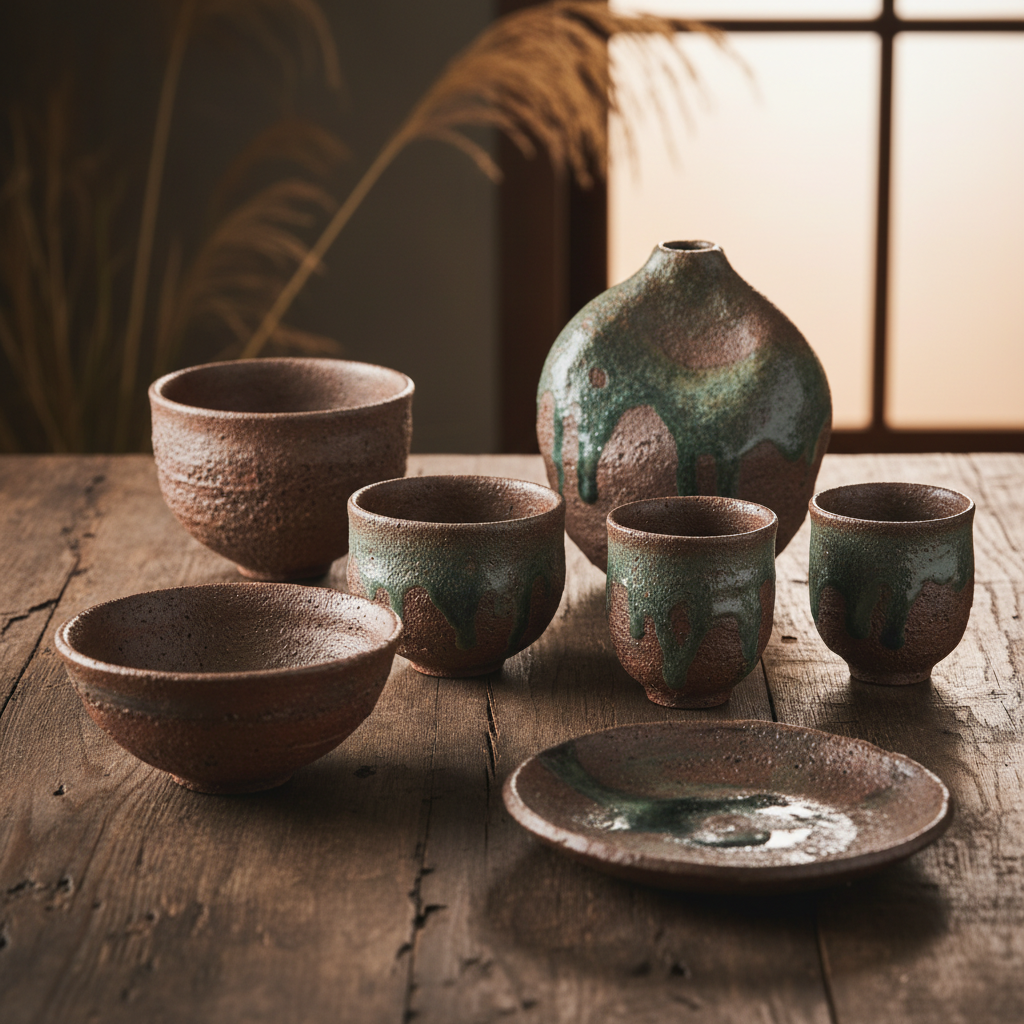
- Color tone: Subdued reddish-brown to dark brown hues
- Texture: Rough feel and simple appearance
- Uses: Diverse, from everyday tableware to tea utensils and flower vases
- Manufacturing method: Traditional hand-throwing and wheel-forming techniques
History of Tanegashima Ware: The Journey of a 400-Year-Old Traditional Ceramic Production Center
The history of Tanegashima ware dates back to the early Edo period. The development of Tanegashima as a ceramic production center is deeply connected to geographical conditions and historical circumstances.
Early Edo Period: The Beginning of Tanegashima Ware
The origins of Tanegashima ware are found in the early 17th century (early 1600s). At that time, it is said that the Tanegashima clan, which ruled Tanegashima, invited potters from the Korean Peninsula. This coincides with the historical background of the Imjin War (Bunroku and Keicho campaigns) of Toyotomi Hideyoshi’s invasions of Korea, during which many Korean potters were brought to Japan.
The potters who came to Tanegashima discovered high-quality ceramic clay on the island and began making pottery by building kilns. The ceramics produced during this period are believed to have become the prototype of Tanegashima ware.
Daimyo Period: Development as a Production Center
Throughout the Edo period, Tanegashima ware was primarily produced as everyday miscellaneous items to meet local demand. Under the protection of the Tanegashima Domain (a subsidiary of the Satsuma Domain), multiple kilns operated, producing jars (kamae), pots, plates, and bowls.
In particular, Tanegashima ware jars were valued as storage containers and were used for preserving miso and shochu. While Satsuma ware is the most famous ceramic production center in Kagoshima Prefecture, Tanegashima ware also developed distinctly within the geographical constraints of being a remote island.
Meiji Period and Beyond: Modernization and the Crisis of Decline
After the Meiji Restoration, Japan’s industrial structure underwent major changes, and Tanegashima ware also entered a period of transition. With the spread of inexpensive porcelain, metal products, and plastic items, demand for traditional ceramics declined.
From the Showa period onward, kilns producing Tanegashima ware closed one after another, and there came a time when the continued existence of the production center was in doubt. This was also a period when the history of Tanegashima as a ceramic production center nearly became extinct.
Modern Era: Revival of Tradition and New Developments
From the 1970s onward, as a reassessment of traditional crafts progressed throughout Japan, movements to revive Tanegashima ware began. Excavation surveys of old kiln sites and research into traditional techniques were conducted, centered on local volunteers and potters.
Currently, though small in number, motivated potters continue to inherit the tradition of Tanegashima ware and work on creating new pieces. The attitude of preserving traditional techniques while aiming to create vessels suited to modern lifestyles has become a new charm of Tanegashima ware.
Manufacturing Method of Tanegashima Ware: Traditional Techniques and the Ceramic-Making Process
The manufacturing process of Tanegashima ware is based on traditional ceramic-making techniques. Here, we will examine in detail how Tanegashima ware is made, from the extraction of raw materials to completion.
1. Extraction and Refinement of Ceramic Clay
The greatest characteristic of Tanegashima ware is the use of ceramic clay from Tanegashima. There are multiple clay extraction sites on the island, each producing soil with different properties.
The extracted ceramic clay is refined through the following process:
- Drying: Dry the extracted clay thoroughly in the sun
- Crushing: Crush the dried clay finely
- Water separation (suihi): Dissolve in water and remove impurities
- Dehydration: Remove water until the desired firmness is achieved
- Clay kneading: Remove air and achieve a uniform state
This refining process is very important, as the quality of the ceramic clay determines the final quality of the work.
2. Forming
The main techniques used in forming Tanegashima ware are as follows:
Wheel-throwing (rokuro) forming
Used when making round vessels such as bowls, plates, and pots. While some use electric wheels, some potters use traditional kick wheels. The technique of shaping the form by hand feel alone while rotating the wheel requires many years of experience.
Hand-building
There are techniques such as “coil building,” where clay rolled into a cord is stacked up, and “slab building,” where flat pieces of clay are combined. These are used when creating shapes that cannot be made on the wheel or when freer forms are desired.
Mold-pressing
A method where clay is pressed into a plaster mold or similar to form the shape. This is efficient when creating multiple vessels of the same form.
3. Drying
After forming, the vessel is dried slowly. Rapid drying causes cracking, so it is dried over several days to a week while managing humidity and temperature.
During the drying process, finishing work such as trimming and polishing is performed. The final shape of the vessel is determined at this stage.
4. Bisque Firing
The completely dried vessel is fired at a temperature of around 800°C. This is called “bisque firing,” and through this process the vessel hardens and becomes easier for glazing.
At the bisque firing stage, the vessel still has water absorption properties, allowing the glaze to soak in well.
5. Glazing (seyuu)
Glaze is applied to the bisque-fired vessel. Traditionally, the following glazes have been used in Tanegashima ware:
- Iron glaze: A glaze containing iron that produces reddish-brown to dark brown coloring
- Ash glaze: A glaze made primarily from plant ash
- White glaze: A glaze that produces white coloring
The methods of applying glaze include techniques such as “dipping,” “pouring,” and “brush painting,” which are selected according to the artist’s intention for the piece.
6. Glaze Firing
The glazed vessel is fired at a high temperature of around 1200°C. This is called “glaze firing,” and through this process the glaze transforms into a glassy substance and the vessel becomes completely hardened.
For firing, climbing kilns, gas kilns, electric kilns, and other types are typically used. Temperature control and firing time are important steps that rely on the potter’s experience and intuition.
The atmosphere inside the kiln during firing (oxidation firing or reduction firing) also greatly affects the color of the glaze.
7. Kiln Opening and Quality Check
After firing, the kiln is allowed to cool sufficiently before removing the vessels. Only at this point can the fired color and texture be confirmed for the first time.
The vessels are inspected for cracks, warping, and glaze separation, and only quality pieces are shipped as finished products.
Characteristics of Tanegashima Ware: Differences from Other Kagoshima Prefecture Ceramics
Kagoshima Prefecture has other famous ceramic production centers besides Tanegashima ware, notably Satsuma ware. Here we will explain the unique characteristics of Tanegashima ware while comparing it with other Kagoshima ceramics.
Differences from Satsuma Ware
Satsuma ware is highly evaluated domestically and internationally as Kagoshima Prefecture’s representative ceramic. In particular, “white Satsuma,” a porcelain with intricate paintings, was popular overseas during the Meiji period.
On the other hand, Tanegashima ware differs from Satsuma ware in the following ways:
1. Simplicity and Practicality
Tanegashima ware focuses more on practicality than decoration, centering on simple vessels. Usability for everyday dining is prioritized.
2. Texture of the Clay
Tanegashima ware is characterized by work that brings out the texture of the clay. Glaze is often used sparingly, and one can enjoy the original color and appearance of the clay.
3. Production Scale
While Satsuma ware is a large production center with numerous kilns, Tanegashima ware is a small production center. Because of this, the artist’s individuality is more easily reflected in each piece.
Aesthetics of Tanegashima Ware
The appeal of Tanegashima ware can be said to lie in the “beauty of imperfection.” Rather than being perfectly formed, the subtle distortions inherent in handmade pieces and unexpected color changes from firing instead give the vessel warmth and individuality.
This aesthetic is related to the spirit of “wabi-sabi” in Japanese tea ceremony. Tanegashima ware tea bowls and tea utensils are favored by tea practitioners because of this appreciation for simple, unpretentious beauty.
Tanegashima Ware Production Center: Ceramic Culture Centered on Minami-Tanegashima Town
The main production center of Tanegashima ware is Minami-Tanegashima Town in Kumage District, Kagoshima Prefecture. Here we introduce the geographical characteristics of the production center and the current situation of the kilns.
Geography and Environment of Minami-Tanegashima Town
Minami-Tanegashima Town is located in the southern part of Tanegashima with a current population of approximately 5,500 people (as of 2024). The town is home to the Tanegashima Space Center (JAXA) and is known as a rocket launch site.
The advantages of Minami-Tanegashima Town as a ceramic production center are as follows:
High-quality Ceramic Clay
There are multiple ceramic clay extraction sites within the town, where clay suitable for pottery-making is found. The use of this local clay is one of the identity markers of Tanegashima ware.
Rich Natural Environment
Tanegashima is blessed with a warm climate and abundant nature. This environment provides inspiration for potters’ creative activities.
Unique Culture
Tanegashima has its own distinctive historical culture since the introduction of firearms, which influences ceramic design.
Current Kilns and Potters
The number of kilns and potters currently working with Tanegashima ware is limited, but each continues creative activities in their own style.
Main kilns and workshops include:
Tanegashima Ware Kiln
While preserving traditional Tanegashima ware techniques, it primarily produces everyday tableware. A variety of practical vessels such as bowls, plates, teacups, and sake bottles are available.
Individual Workshops
In recent years, potters attracted by Tanegashima’s nature and culture have relocated to establish individual workshops. They conduct pottery-making that respects tradition while incorporating contemporary sensibilities.
These kilns and workshops often accept visitors and pottery experience programs, engaging in activities to convey the charm of Tanegashima ware to tourists.
Tanegashima Ware Works: Types and Uses of Vessels
Tanegashima ware produces a variety of works, from everyday tableware to tea ceremony utensils and flower vessels. Here we introduce representative types of works and their characteristics.
Everyday Tableware
Bowls (wan)
Bowls used for rice and soup are representative works of Tanegashima ware. They are characterized by a size that fits comfortably in the hand and a warm texture.
Plates
Plates of various sizes, from small to large, are produced. The simple appearance complements the food placed on them.
Tea cups (yunomi)
Everyday tea cups are thick with excellent heat retention properties. Texture is also appealing.
Bowls (hachi)
Bowls for serving salads and simmered dishes are also popular. There are abundant variations in depth and size.
Sake Vessels
Sake bottle (tokkuri)
The sake bottle is one of Tanegashima ware’s traditional works. The simple appearance enhances the taste of sake.
Sake cup (guinomi)
Sake cups for drinking are also popular works of Tanegashima ware. Many pieces emphasize the texture of the clay.
Shochu cup
Since Kagoshima Prefecture is also a shochu production center, many cups for enjoying shochu are produced.
Tea Ceremony Utensils
Tea bowl (chawan)
Tea bowls used in tea ceremony are particularly artistic works among Tanegashima ware. Their simple yet dignified appearance is favored by tea practitioners.
Water container (mizusashi)
A container for holding water used in tea ceremony. The subdued colors and forms harmonize with the tea room.
Flower vessel (hanaire)
Flower vessels for arranging flowers in the tea room are also produced. They are characterized by a simple yet striking design.
Flower Vases and Decorative Objects
Flower vase
Flower vases for ikebana come in various shapes and sizes. Some designs are inspired by Tanegashima’s nature.
Pot (tsubo)
Decorative pots and practical storage containers are traditional works.
Objet
Contemporary potters also create artistic works separate from utilitarian purposes.
How to Purchase Tanegashima Ware: Obtaining Works at the Production Center and Through Mail Order
For those interested in Tanegashima ware, here are methods to purchase works.
Purchase at the Production Center
Direct kiln sales
When visiting Tanegashima, you can purchase works directly at kilns and workshops. Direct conversation with the artist deepens understanding of the works. It is recommended to confirm in advance whether visits are possible.
Minami-Tanegashima Town Tourism Facilities
Some tourist information centers and souvenir shops in town handle Tanegashima ware.
Ceramic Markets and Events
Tanegashima ware artists occasionally exhibit at ceramic markets and craft events held several times a year on Tanegashima or the Kagoshima mainland.
Mail Order
Kiln Online Shops
Some kilns and workshops sell works through their own websites and online shops.
Craft Specialty Sites
Specialty sites dealing in traditional Japanese crafts sometimes carry Tanegashima ware.
Hometown Tax Donations
Tanegashima ware may be available as a return gift for hometown tax donations to Minami-Tanegashima Town.
Precautions When Purchasing
When purchasing Tanegashima ware, keep the following in mind:
- Variations in Handmade Pieces: Since each piece is handmade, pieces with the same design have subtle differences in shape and color. This is not a flaw but a charm of handmade work.
- Initial Treatment: Before using ceramic ware for the first time, “seasoning” (simmering in rice washing water) prevents stains and discoloration.
- Handling: Ceramics are vulnerable to sudden temperature changes, so avoid putting hot vessels in cold water.
Care and Use of Tanegashima Ware: Enjoying Ceramics for a Long Time
To enjoy Tanegashima ware for years to come, proper care and handling are essential.
Initial Treatment Before Use
Before using new Tanegashima ware for the first time, the following “seasoning” is recommended:
- Wash the vessel thoroughly with water
- Fill a pot with rice washing water (or water mixed with flour) and immerse the vessel
- Simmer over low heat for 20 to 30 minutes
- Allow to cool naturally
- Wash thoroughly with water and dry completely
This treatment seals the fine pores of the ceramic, making it resistant to stains and discoloration.
Everyday Use
Before use
- Soaking the vessel in water before use prevents stains and discoloration.
- Soaking in advance is particularly recommended when serving foods with dark colors (curry, meat sauce, etc.).
After use
- Wash as soon as possible after use. It is important to wash before stains seep in.
- Wash gently with neutral detergent and a sponge. Avoid abrasive cleaners or hard scrubbers.
- After washing, wipe away moisture thoroughly and dry completely before storing.
Storage Method
- Store only after completely drying. Storing while wet can cause mold.
- When stacking vessels, placing paper or cloth between them prevents scratching.
- Store in a well-ventilated location away from direct sunlight.
Precautions
- Microwave: Tanegashima ware can generally be used in microwaves, but avoid use if decorated with gold leaf.
- Dishwasher: Use is possible, but hand washing is recommended to prevent breakage from contact with other dishes.
- Direct heat: Avoid direct heat except for vessels designed for specific purposes such as clay pots.
- Sudden Temperature Changes: Sudden temperature changes, such as placing a hot vessel in cold water, can cause breakage.
If Stains or Discoloration Occur
If stains or discoloration should occur:
- Soak the vessel in water overnight
- Simmer in baking soda solution (20 to 30 minutes)
- Allow to cool naturally, then wash
Most stains and discoloration will be removed by this method, though some may not disappear completely. This too can be appreciated as the character of well-used ware, one of the charms of ceramics.
Contemporary Development of Tanegashima Ware: Fusion of Tradition and Innovation
While preserving tradition, Tanegashima ware also pursues new approaches suited to contemporary lifestyles.
Contemporary Design
Young potters incorporate contemporary sensibilities into designs while using traditional techniques. Designs are being created that appeal to a wider audience, such as simple and modern forms or designs suitable for Western tableware.
Collaboration
Tanegashima ware potters actively pursue collaborations with creators in other fields. Partnerships with restaurants handling local ingredients and joint creation with designers are taking place.
Connection with Experience Tourism
An increasing number of kilns offer pottery experience programs for tourists visiting Tanegashima. The opportunity to actually touch clay and operate a wheel deepens understanding of Tanegashima ware.
Fusion with Space
Taking advantage of the location of Tanegashima Space Center, works with space themes are being created. Designs featuring rockets and constellations as motifs possess a uniqueness specific to Tanegashima.
Future of Tanegashima Ware: Challenges and Prospects for a Ceramic Production Center
For Tanegashima ware to continue as a production center and develop further, several challenges must be addressed.
Development of Successors
Like many traditional crafts, Tanegashima ware faces a shortage of successors. Transmission of techniques and nurturing of new practitioners is a pressing matter.
Minami-Tanegashima Town is beginning initiatives such as systems to accept young people wishing to learn pottery and support for relocation. The rich natural environment and unique culture of Tanegashima are attractive elements for potters considering relocation from urban areas.
Expansion of Sales Channels
The geographical conditions of being a remote island can be an obstacle to expanding sales channels. However, with the development of the internet, possibilities for online sales have expanded.
Through information dissemination using SNS and expansion of online shops, it is now possible to convey the charm of Tanegashima ware to ceramic enthusiasts throughout Japan.
Utilization as a Tourism Resource
While Tanegashima is known as a tourism destination centered on its space center, Tanegashima ware can also become an important tourism resource.
By incorporating kiln visits and pottery experiences into tourism programs, the cultural appeal of Tanegashima can be enhanced. Programs such as “pairing vessels and food,” enjoying local ingredients in Tanegashima ware, can also increase the added value of tourism.
Promotion of Branding
Establishing Tanegashima ware as a brand is also an important issue. While Satsuma ware is the most famous when it comes to Kagoshima ceramics, clarifying the unique appeal of Tanegashima ware and achieving differentiation is necessary.
Use of geographical indication (GI) protection systems and establishment of quality standards might also be effective in improving brand value.
Balance Between Technological Innovation and Tradition
While preserving tradition is important, technological innovation suited to the times is also necessary. Development of environmentally conscious glazes and research into efficient firing methods are required for sustainable production center development.
On the other hand, it is essential to maintain balance to not lose the essential charm of Tanegashima ware—the warmth of handmade pieces and the texture of clay.
Summary: The Charm of Tanegashima Ware and the Value of Kagoshima Prefecture’s Ceramic Production Centers
Tanegashima ware is a precious ceramic production center in Kagoshima Prefecture with over 400 years of history. The simple and warm appearance, focus on practicality in vessel-making, and distinctive character created by the unique environment of Tanegashima are major attractions of Tanegashima ware.
Though a small production center, Tanegashima ware continues to evolve through efforts that preserve tradition while adapting to contemporary times. While facing challenges such as remote island geography and successor shortages, the tradition is being carried forward through the efforts of motivated potters.
If you have the opportunity to visit Tanegashima, be sure to visit a Tanegashima ware kiln. By speaking with the artist and actually handling the vessels, you will be able to appreciate the deep charm of this traditional ceramic.
Using Tanegashima ware vessels in daily life also supports this traditional craft. Simple and unpretentious Tanegashima ware vessels bring warmth and richness to the everyday dining table.
Tanegashima ware, playing a role in Kagoshima Prefecture’s ceramic culture. Understanding its history and tradition as well as its challenges for the future allows us to reappreciate the diversity and depth of Japanese ceramic culture.