
What is Akahada Ware? A Thorough Explanation of the History, Characteristics, and Production Areas of Nara Prefecture’s Traditional Ceramic Art
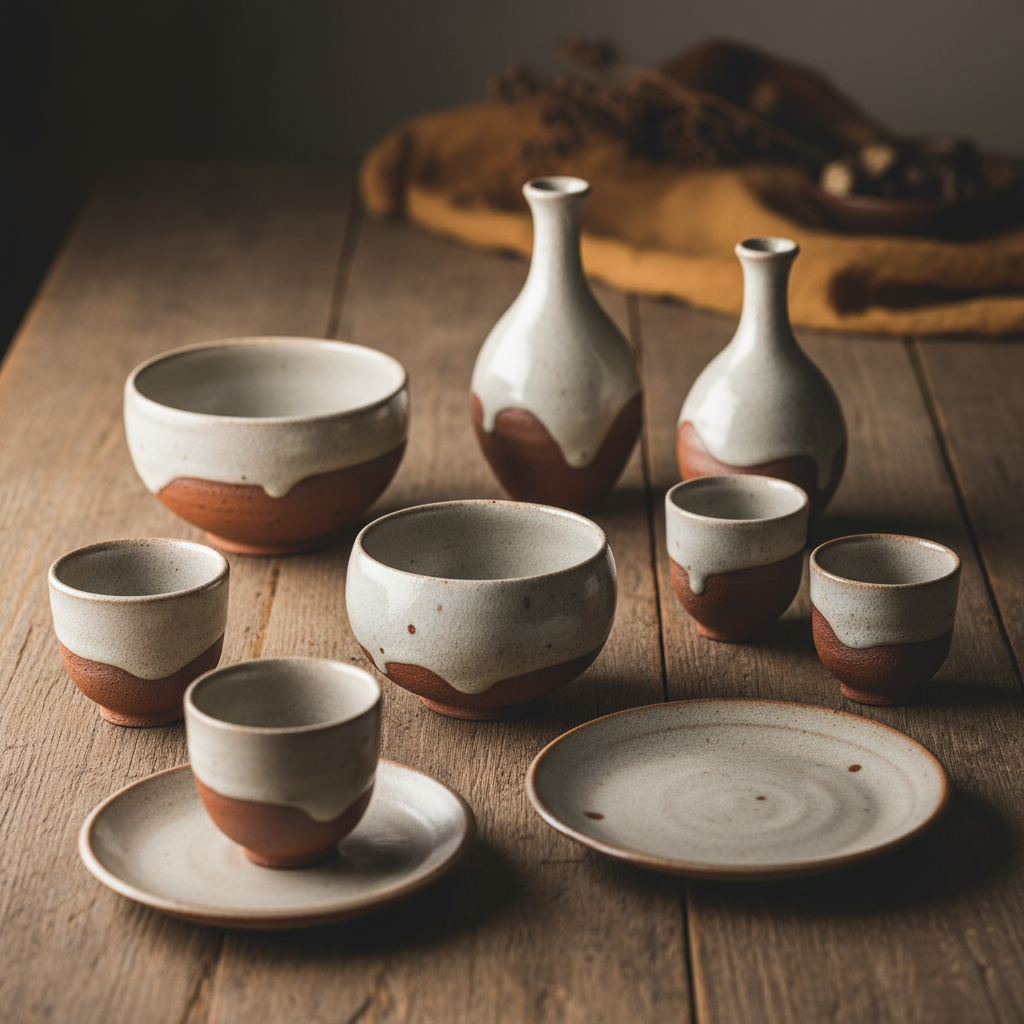
Akahada ware (akahada-yaki) is a traditional ceramic product produced primarily in Nara City, Nara Prefecture. With a history spanning over 400 years, it is known for its distinctive hand-painted decoration called Nara-e and its characteristic soft, milky-white glaze. This article provides a comprehensive explanation of Akahada ware’s history, characteristics, production areas, contemporary artists, and purchasing methods.
History and Origins of Akahada Ware
Origins of Akahada Ware
The origins of Akahada ware trace back to the late Momoyama period and early Edo period. According to one account, ceramic production began when Toyotomi Hidenaga, the younger brother of Toyotomi Hideyoshi, was lord of Yamato-Koriyama Castle, coinciding with the flourishing of tea ceremony culture.
The name “Akahada ware” derives from the high-quality ceramic clay found around Akahada Mountain (Akahada-yama) in the western part of Nara City. The soil in this region contains iron, which turns a reddish-brown color when fired, leading to the name “Akahada” (red skin).
Development During the Edo Period
With the arrival of the Edo period, Akahada ware developed under the patronage of the Yamato-Koriyama Domain. Particularly during the Kansei era (1789-1801), Yamato-Koriyama Domain lord Yanagisawa Yoshimitsu brought in potters from Kyoto to improve techniques. It is believed that during this period, the representative technique of Akahada ware known as “Nara-e” was established.
Nara-e refers to paintings depicting Nara’s seasonal scenery, deer, the Todai-ji Temple, Kasuga Taisha, and other famous sites, as well as the simple and warm designs seen in Nara picture books, executed with goshugumi (blue pigment) or iron oxide pigments. This distinctive decorative technique became a major characteristic of Akahada ware.
From Modern Times to the Present
From the Meiji period onward, Akahada ware faced a crisis of decline, but from the Showa period its value as a traditional craft came to be recognized anew. In 1977 (Showa 52), it was designated as a Japanese traditional craft by the government and continues to be passed down today as a representative ceramic of Nara Prefecture.
Characteristics of Akahada Ware
Characteristics of the Glaze
The most distinctive characteristic of Akahada ware is its soft, milky-white glaze. This glaze is called “Akahada glaze” or “milky-white glaze” and is characterized by its warm white color. The contrast between the reddish-brown clay body and the milky-white glaze creates the unique beauty of Akahada ware.
The glaze is not applied uniformly; the color of the clay body sometimes shows through partially, creating a richly expressive surface. Furthermore, depending on the firing temperature and the thickness of the glaze, the shade of white varies, producing works with unique expressions, no two of which are exactly alike.
The Appeal of Nara-e
The decorative technique representative of Akahada ware is “Nara-e.” Nara-e is characterized by simple and approachable designs featuring Nara’s scenery, deer, temples and shrines, and other such motifs. While the line work is delicate, it possesses a certain warmth, soothing the viewer’s heart.
Representative motifs include the following:
- Deer: As Nara’s symbol, the deer is the most representative motif of Akahada ware
- Kasuga Taisha: Depicted with its vermillion-painted shrine buildings and lanterns
- Todai-ji Temple: Its architectural structures such as the Great Buddha Hall and five-storied pagoda
- Nara’s Scenery: Famous sites such as Wakakusa Mountain and Sarusawa Pond
- Flowers and Plants: Seasonal vegetation such as plum blossoms, cherry blossoms, and chrysanthemums
These motifs are painted with goshugumi (a blue pigment) or iron oxide pigments, resulting in subdued colors after firing.
Form and Use
Akahada ware ranges from tea ceremony utensils to everyday vessels, with a wide variety of products being produced. Representative items include the following:
- Tea bowls: Important among tea ceremony implements
- Teacups: Everyday teacups and sencha bowls
- Plates and Bowls: Various sizes of plates and bowls used as tableware
- Flower Vessels: Flower holders and vases
- Incense Burners: Vessels for burning incense
- Ornamental Objects: Decorative pieces in the form of deer and other figures
Production Areas of Akahada Ware
Gojo Mountain District, Nara City
The primary production area for Akahada ware is the Gojo Mountain district in the western part of Nara City. This region is historically known for the availability of high-quality ceramic clay. Currently, multiple kilns in this area continue to uphold the tradition of Akahada ware production.
The Gojo Mountain district is located approximately five kilometers west of Nara City center and features individual kilns scattered throughout a quiet residential area. Some kilns accept studio tours and pottery experience programs, allowing visitors to observe the actual production process of Akahada ware.
Yamato-Koriyama City
Historically, Yamato-Koriyama City was also an important production area for Akahada ware. During the Edo period, many kilns operated under the patronage of the Koriyama Domain. Yamato-Koriyama City continues to have kilns carrying on the Akahada ware tradition, forming a production area together with Nara City.
Characteristics of the Production Area
Compared to ceramic production areas in Kyoto and Shiga, the Akahada ware production area is relatively small in scale, yet each kiln maintains its own individuality while preserving traditional techniques. Production is centered on handcraftsmanship by artisans rather than large-scale industrial manufacturing.
The securing of ceramic clay has become an issue for the production area. While local clay was historically used, ceramic clay from other regions is now also employed, with efforts being made to maintain the traditional texture of Akahada ware.
The Manufacturing Process of Akahada Ware
Clay Preparation
The production of Akahada ware begins with the preparation of ceramic clay. The clay is thoroughly refined to remove impurities, then water is added to the appropriate level and the clay is kneaded thoroughly. Clay wedging is an important process that removes air and ensures uniform clay quality.
Forming
Forming techniques include “wheel throwing,” “mold forming,” and “hand-building.” Akahada ware traditionally employs wheel throwing extensively, though ornamental objects are created using hand-building or molds.
Drying and Bisque Firing
After forming, the piece is dried slowly. Rapid drying can cause cracking, so pieces are naturally dried over several days to weeks. Once thoroughly dried, the pieces are bisque fired at approximately 800 degrees Celsius. Bisque firing increases the strength of the vessel and facilitates glaze application.
Decoration and Glazing
Following bisque firing, hand-painting such as Nara-e is applied. Using goshugumi or iron oxide pigments, patterns are carefully painted with a brush. This process requires high levels of skill and experience, and is where the kiln’s individuality is most evident.
After decoration, the milky-white glaze is applied. The glaze may be applied with a brush or by dipping the vessel. The appearance of the fired piece varies depending on the thickness of the glaze and the application method.
Kiln Firing
The glazed piece is placed in the kiln and fired at approximately 1200 degrees Celsius. The firing duration varies depending on the kiln type and size of the work, but typically the temperature is raised slowly over more than 10 hours, the piece is sufficiently fired, and then slowly cooled.
During firing, the glaze melts to form a vitreous layer on the vessel’s surface, completing the beautiful milky-white finish characteristic of Akahada ware.
Representative Akahada Ware Kilns and Artists
Koji Kose (Kose Gyozo)
Koji Kose is one of the representative ceramic artists of Akahada ware. While maintaining traditional techniques, he creates works incorporating contemporary sensibility. He is particularly renowned for the delicate brushwork of his Nara-e and the beautiful expression of milky-white glaze.
Shosan Ooshio (Ooshio Shozan)
Ooshio Shozan kiln is one of the representative kilns continuing the Akahada ware tradition. While preserving techniques passed down since the Edo period, it produces a wide range of works from tea ceremony implements to everyday vessels.
Other Kilns
Centered in the Gojo Mountain district of Nara City, multiple kilns are active. Each maintains its own individuality, producing diverse works ranging from traditional Akahada ware to contemporary designs.
Purchasing Akahada Ware and Its Appreciation
Direct Purchase from Kilns
The most reliable way to purchase Akahada ware is to visit kilns directly. Many kilns in the Gojo Mountain district of Nara City have sales spaces where one can actually handle and select pieces. Additionally, speaking directly with the artist deepens one’s understanding of the work.
When visiting a kiln, it is recommended to contact them in advance. Some kilns accept studio tours and pottery experience programs.
Retailers in Nara Prefecture
Akahada ware can also be purchased at craft shops, department stores, and other retailers in Nara City and throughout Nara Prefecture. Particularly in Nara City’s tourism areas, many shops specialize in traditional crafts.
Online Purchase
In recent years, Akahada ware can be purchased through online shops run by kilns and craft retailers. However, when purchasing without seeing the actual piece, it is important to carefully verify size and color.
Price Range
The price of Akahada ware varies greatly depending on the size of the piece, the artist, and the technique employed. A small teacup may cost several thousand yen, while tea bowls and larger flower vessels may cost tens of thousands of yen or more. Works by renowned artists or those with particularly elaborate hand-painted decoration command even higher prices.
Using and Caring for Akahada Ware
Before First Use
Before using Akahada ware for the first time, it is recommended to perform a process called “seasoning” (medome). Seasoning is a treatment that seals the fine pores in the vessel, preventing stains and discoloration.
Seasoning method:
- Soak the vessel in water and let it absorb water thoroughly
- Boil the vessel in rice washing water or water mixed with wheat flour
- Allow to cool naturally after boiling, then rinse with water
This treatment helps the vessel last longer and maintains its beautiful condition.
Daily Use
As Akahada ware is earthenware, it has greater water absorption than porcelain. Soaking the vessel in water before use makes it less susceptible to absorbing food colors and odors.
After use, wash gently with a soft sponge and neutral detergent. Avoid using abrasive cleansers or hard scrubbers, as they may scratch the surface.
Storage
After washing, dry thoroughly before storing. Avoid storing in damp locations; storage in a well-ventilated place is ideal.
When stacking vessels for storage, placing soft cloth or paper between pieces prevents scratching.
Akahada Ware and Other Nara Prefecture Crafts
Nara’s Traditional Crafts
Besides Akahada ware, Nara Prefecture has many traditional crafts:
- Nara Ink: A major ink production area representing Japan
- Nara Brushes: High-quality brushes for calligraphy
- Nara Lacquerware: Lacquerware characterized by mother-of-pearl inlay work
- Takayama Tea Whisk: The primary production area for tea whisks used in tea ceremony
- Nara Bleached Cloth: A type of linen textile
These crafts have developed within Nara’s long history and culture. Akahada ware plays an important role in conveying Nara’s culture to the present day.
Akahada Ware and Nara Culture
Akahada ware is not merely ceramics but a craft reflecting Nara’s history and culture. The deer and temples depicted in Nara-e designs are the very landscape of the ancient capital of Nara, and through the vessels one can touch Nara’s culture.
Its connections to tea ceremony culture are also deep, having been favored by Nara’s tea practitioners. Even today, Akahada ware tea bowls are highly valued among tea ceremony enthusiasts.
Akahada Ware Experience and Learning
Pottery Experience
Some Akahada ware kilns offer pottery experience programs. Through wheel-throwing and hand-painting experiences, visitors can actually experience the production process of Akahada ware.
During experience sessions, under the guidance of artisans, participants can create their own original pieces. Completed pieces are typically sent by mail after firing, serving as travel memories and as practical vessels for long-term use.
Exhibitions and Events
Nara Prefecture regularly hosts Akahada ware exhibitions and sales events. At these events, one can view works from multiple kilns at once and have the opportunity to speak directly with artists.
Additionally, Nara Prefectural Museum of Art and cultural facilities in Nara City occasionally hold special exhibitions featuring Akahada ware and other Nara traditional crafts.
Museums and Cultural Facilities
To learn about Akahada ware’s history and techniques, visiting museums and cultural facilities in Nara Prefecture is also recommended. The Nara Prefectural Museum of Art and cultural facilities in Nara City sometimes display historical Akahada ware pieces.
Contemporary Developments in Akahada Ware
Tradition and Innovation
Contemporary Akahada ware artists are working on developing new designs and uses while maintaining traditional techniques. Beyond traditional tea ceremony implements and everyday tableware, modern design vessels suited to contemporary interiors and small decorative items are also being created.
Some younger artists are rearranging traditional Nara-e motifs in contemporary ways or experimenting with new glaze developments. Through such efforts, Akahada ware continues to evolve while preserving tradition.
International Promotion
As international interest in Japanese traditional crafts has increased in recent years, opportunities to introduce Akahada ware abroad have also grown. Among foreign tourists visiting Nara, many show interest in Akahada ware and make purchases.
Through international exhibitions and online sales, the appeal of Akahada ware is spreading worldwide.
The Challenge of Successor Development
Like many traditional crafts, Akahada ware faces the challenge of a shortage of successors. Acquiring ceramic arts skills requires many years, and there are difficult economic circumstances as well.
However, with increasing interest in traditional crafts and community revitalization efforts, cases of younger generations entering the Akahada ware field are being seen. Ongoing efforts by kilns, government, and local communities continue in pursuit of both technical succession and industrial development.
A Journey to Discover Akahada Ware
Nara Tourism and Akahada Ware
When visiting Nara, in addition to famous tourist sites such as Todai-ji and Kasuga Taisha, visiting Akahada ware kilns is also recommended. The Gojo Mountain district in Nara City is accessible in approximately 15 minutes by car from the city center.
The area surrounding the kilns has a quiet, residential atmosphere different from Nara’s tourist sites. Visiting the workshops allows one to experience the depth of Nara’s culture in ways that general tourism cannot offer.
Sample Itinerary
An example of a sample itinerary centered on Akahada ware:
- Morning sightseeing around Nara Park (Todai-ji, Kasuga Taisha, etc.)
- After lunch, visit kilns in the Gojo Mountain district
- Appreciating and purchasing works at kilns; pottery experience if possible
- Returning to Nara City to visit other traditional craft shops
This itinerary allows one to enjoy both Nara’s history and traditional crafts.
Conclusion: The Appeal and Value of Akahada Ware
Akahada ware is a traditional ceramic representative of Nara Prefecture with over 400 years of history. Characterized by its warm, milky-white glaze and Nara-e designs depicting Nara’s scenery, it ranges from tea ceremony implements to everyday vessels.
In the production area centered around the Gojo Mountain district of Nara City, multiple kilns continue to practice traditional pottery techniques. Each kiln maintains its own individuality while preserving tradition and attempting new forms of expression.
The appeal of Akahada ware lies not only in its beauty but also in its reflection of Nara’s history and culture. The deer and temples depicted on vessels are the very landscape of the ancient capital of Nara, and using them allows one to touch Nara’s culture with each use.
The distinctive character of each hand-crafted piece, with no two being exactly alike, is another major appeal of Akahada ware. Despite identical forms and designs, subtle differences exist, each giving the vessel its own individuality.
In the modern era, Akahada ware remains not merely an antique but beautiful vessels for actual use, cherished by many. Beyond its role as traditional tea ceremony implements, it has found its place in contemporary daily life as functional pottery.
If you have the opportunity to visit Nara, by all means visit an Akahada ware kiln and experience its appeal firsthand. Holding the vessels in hand and hearing the artists speak will deepen your understanding and affection for Akahada ware.
Akahada ware is a precious traditional craft that conveys Nara’s history and culture to the present day. Its techniques and aesthetic sensibility will be passed on to future generations and will continue to captivate many people.
