What is Shibukusa Ware? A Comprehensive Explanation of the History, Characteristics, and Appeal of This Traditional Pottery from Takayama, Gifu Prefecture
Shibukusa ware (shibukusayaki) is a traditional ceramic ware that has continued since the late Edo period in Takayama City, Gifu Prefecture. This pottery, nurtured in the historically rich town of Hida Takayama, has undergone unique development while incorporating techniques from Seto ware and Kutani ware, and is still carefully crafted one by one by artisans today. This article provides a detailed overview of this precious traditional craft, from its historical background to manufacturing techniques and the current state of the production area.
Basic Information About Shibukusa Ware and Overview of the Production Area
Shibukusa ware is a ceramic ware fired in Takayama City, Gifu Prefecture, and was designated as a Gifu Prefecture folk craft on March 30, 1992 (Heisei 4). It is a precious pottery that has maintained its tradition for over 180 years in the Hida Takayama region, which is also known as a tourist destination.
Geographic Characteristics of the Production Area
Takayama City is located in the Hida region in the northern part of Gifu Prefecture, in a basin surrounded by high mountains. The climate is characterized by harsh winters and relatively cool summers. This environment creates conditions suitable for ceramic manufacturing. The place name “Shibukusa” remains in present-day Takayama City and was the birthplace of the kiln site.
Position as a Ceramic Production Area in Gifu Prefecture
While Gifu Prefecture is nationally known for Mino ware, Shibukusa ware has its own distinct history and characteristics different from Mino ware. Whereas Mino ware is produced on a large scale in the Tono region, Shibukusa ware is made in the geographically separated Hida region by a small number of kiln operators using traditional methods. This small-scale yet high-quality production system has become the individuality of Shibukusa ware.
The History of Shibukusa Ware—From the Late Edo Period to the Present
Circumstances of the Kiln’s Opening and the Role of the Hida District Administrator
The history of Shibukusa ware begins in either Tenpo 11 (1840) or Tenpo 12 (1841). At that time, Hida Takayama was a directly controlled territory (tenryo) of the Edo shogunate, governed by Toyoda Tomosuke (also known as Toyoda Tojinosuke) as the Hida district administrator.
The district administrator, aiming at industrial promotion in the Hida region and self-sufficiency in ceramics, ordered local merchants to open a government-civilian joint kiln site in the Shibukusa area. This marked the beginning of Shibukusa ware. In the Hida region at that time, there was a need to purchase daily-use vessels from other regions, and local production of high-quality ceramics held important economic significance.
Technology Introduction from Seto and Kutani
In opening the kiln, the district administrator recruited skilled potters and painters from Seto (present-day Seto City in Aichi Prefecture) and Kutani (present-day Ishikawa Prefecture), which had already gained fame for ceramic production.
Craftspeople such as potter Soga Chikuzan from Seto and painter Yamashiro Fujizo from Kutani moved to Hida Takayama, and their advanced techniques formed the foundation of Shibukusa ware. The ceramic manufacturing techniques of Seto ware and the vibrant decorative methods of Kutani ware fused together and underwent unique development in the Hida region.
Discovery and Use of Shibukusa Stone
An important role in the development of Shibukusa ware was played by the local Shibukusa pottery stone. This stone possessed excellent properties as a raw material for porcelain, allowing for the creation of white and beautiful wares.
By using local materials, stable production became possible while keeping transportation costs low, and Shibukusa ware grew as an industry rooted in the Hida region. Porcelain manufacturing using Shibukusa stone became one of the major characteristics of Shibukusa ware.
Changes During the Meiji, Taisho, and Showa Periods
After the Meiji Restoration, the government-civilian joint system was dissolved, but the techniques of Shibukusa ware were passed down to private kiln operators. From the Meiji through Taisho periods, demand as souvenirs increased along with the development of tourism in Hida Takayama.
During the Showa period, production temporarily declined due to wartime effects, but it was revived after the war, and the value of traditional crafts came to be reappreciated. From the late Showa to the Heisei period, efforts have been made to protect Shibukusa ware as cultural property, including its designation as a Gifu Prefecture folk craft.
Inheritance and Challenges in the Modern Era
Currently, only a limited number of kiln operators produce Shibukusa ware, with kilns such as Hokokusha and Shibukusa Ryuzo continuing to preserve the tradition. While facing challenges common to many traditional crafts—such as training successors, securing raw materials, and developing products suited to contemporary lifestyles—artisans continue to create works one by one through manual labor.
Characteristics and Manufacturing Techniques of Shibukusa Ware
Manufacturing Both Pottery and Porcelain
One major characteristic of Shibukusa ware is that it manufactures both pottery and porcelain. While many pottery production areas specialize in either pottery or porcelain, Shibukusa ware possesses the techniques for both.
Pottery uses clay as raw material and is fired at relatively low temperatures, resulting in a warm texture. Porcelain, on the other hand, uses pottery stone as raw material and is fired at high temperatures, resulting in a white, hard finish with translucency. Possessing both techniques allows for the creation of diverse works suited to different purposes and preferences.
Hida Red Painting and Hida Kutani
The representative decorative techniques of Shibukusa ware are “Hida red painting” and “Hida Kutani.”
Hida red painting is a technique where colored designs centered on red are applied to white porcelain wares. While influenced by Kutani ware, it is characterized by delicate and refined patterns unique to Hida. Traditional Japanese designs such as flowers, birds, nature, and auspicious motifs are painted with care.
Hida Kutani is colored porcelain incorporating Kutani ware techniques, characterized by lavish decoration using five colors: red, yellow, green, purple, and navy blue. It possesses a distinctive beauty that fuses the opulence of Kutani ware with the delicacy of Hida.
Shibukusa Style—Blue and White Porcelain Based on Underglaze Blue
The “Shibukusa style,” a unique style called the independent characteristic of Shibukusa ware. It is an underglaze blue technique using gosu (gosh), a blue pigment, to paint blue patterns on white porcelain.
Shibukusa style pieces possess a clean and refined atmosphere and are popular as everyday tableware. The simple yet sophisticated design harmonizes well with contemporary dining tables.
Commitment to Hand Craftsmanship and Hand Painting
Shibukusa ware continues to maintain the tradition of hand craftsmanship and hand painting. Every process, from shaping using the potter’s wheel to painting designs with brushes, is performed by artisans.
The warmth, individuality, and subtle differences in expression that cannot be obtained through mass production become the appeal of Shibukusa ware. Even pieces with the same design are never exactly alike, each possessing value as a unique work.
Durability from High-Temperature Long-Duration Firing
The porcelain of Shibukusa ware is fired at high temperatures for extended periods to achieve strength. This firing method realizes durability that withstands daily use as well as beautiful coloration.
Therefore, Shibukusa ware vessels are highly practical and can be cherished for long-term everyday use. The attitude of emphasizing practicality while being a traditional craft is a major characteristic of Shibukusa ware.
Uniquely Formulated Glazes and Pigments
Each kiln operator uses glazes and pigments uniquely formulated based on long years of experience and research. These secret formulations produce the unique colors and textures characteristic of Shibukusa ware.
The formulation of glaze is extremely delicate work, with even slight differences in mixing resulting in significantly different finishes. Artisans determine optimal formulations while considering climate, temperature, humidity, and other factors.
Current Kiln Operators and Artisans
Hokokusha (HOUKOKUSHA)
Hokokusha is one of the representative kilns of Shibukusa ware, conveying tradition from the late Edo period to the present day. It inherits the techniques from its opening in Tenpo 12 (1841) and manufactures hand-crafted and hand-painted products.
Hokokusha handles a wide range of works including traditional Hida red painting, Hida Kutani, and Shibukusa style pieces, providing diverse products from everyday rice bowls, tea bowls, and dishes to vases for gifts and commemorative purposes. With a workshop and sales shop in Takayama City, visitors can view the manufacturing process.
Shibukusa Ryuzo (Shibukusa Ryuzo)
Another important kiln operator is Shibukusa Ryuzo. It likewise continues to uphold traditional techniques while creating works suited to contemporary living.
Each kiln operator maintains its own distinctive style while sharing the common mission of preserving Shibukusa ware traditions.
Technical Succession by Artisans
Currently, there are only a limited number of Shibukusa ware artisans, each possessing advanced techniques and working to continue the tradition. Each process—wheel shaping, painting, and firing—requires specialized knowledge and experience.
In recent years, efforts to train successors have intensified, with technical transmission to younger generations progressing. By preserving tradition while incorporating new sensibilities, Shibukusa ware continues to evolve with the times.
Works and Uses of Shibukusa Ware
Everyday Tableware
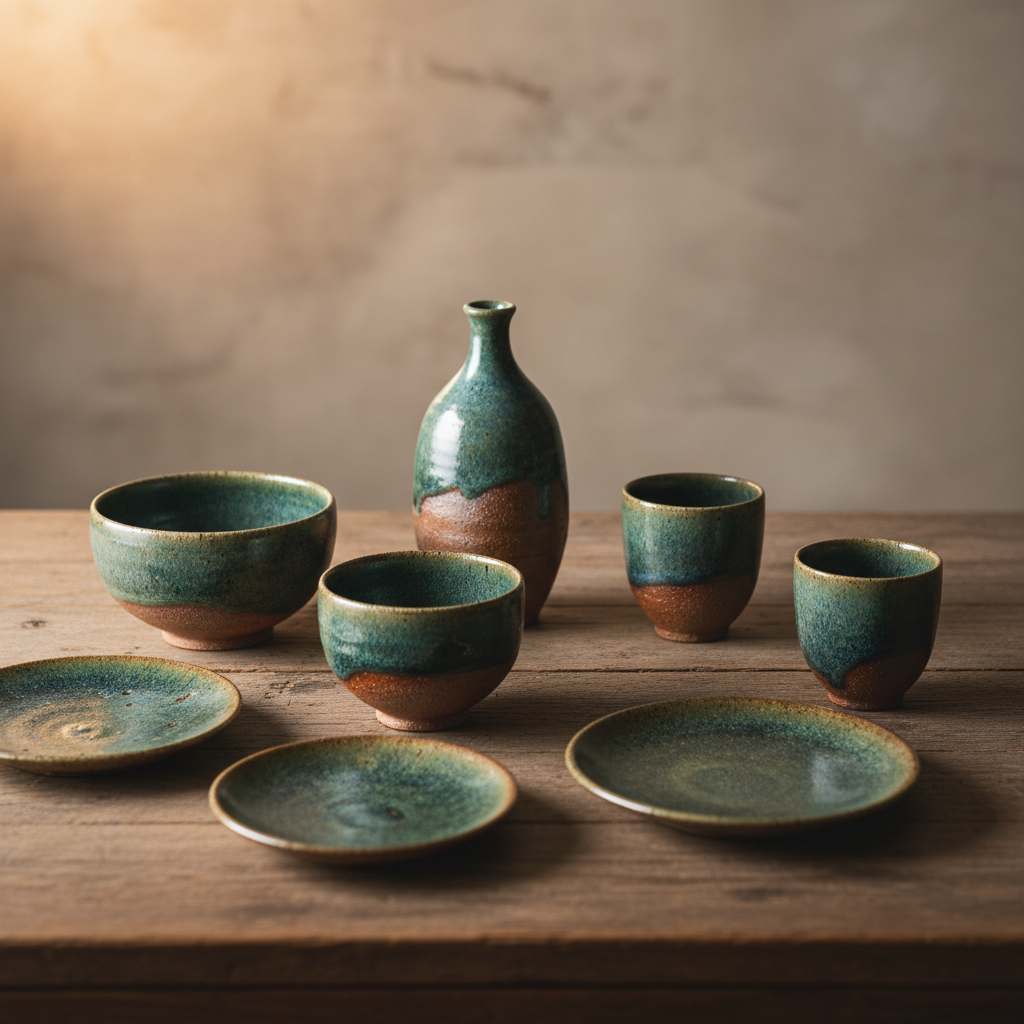
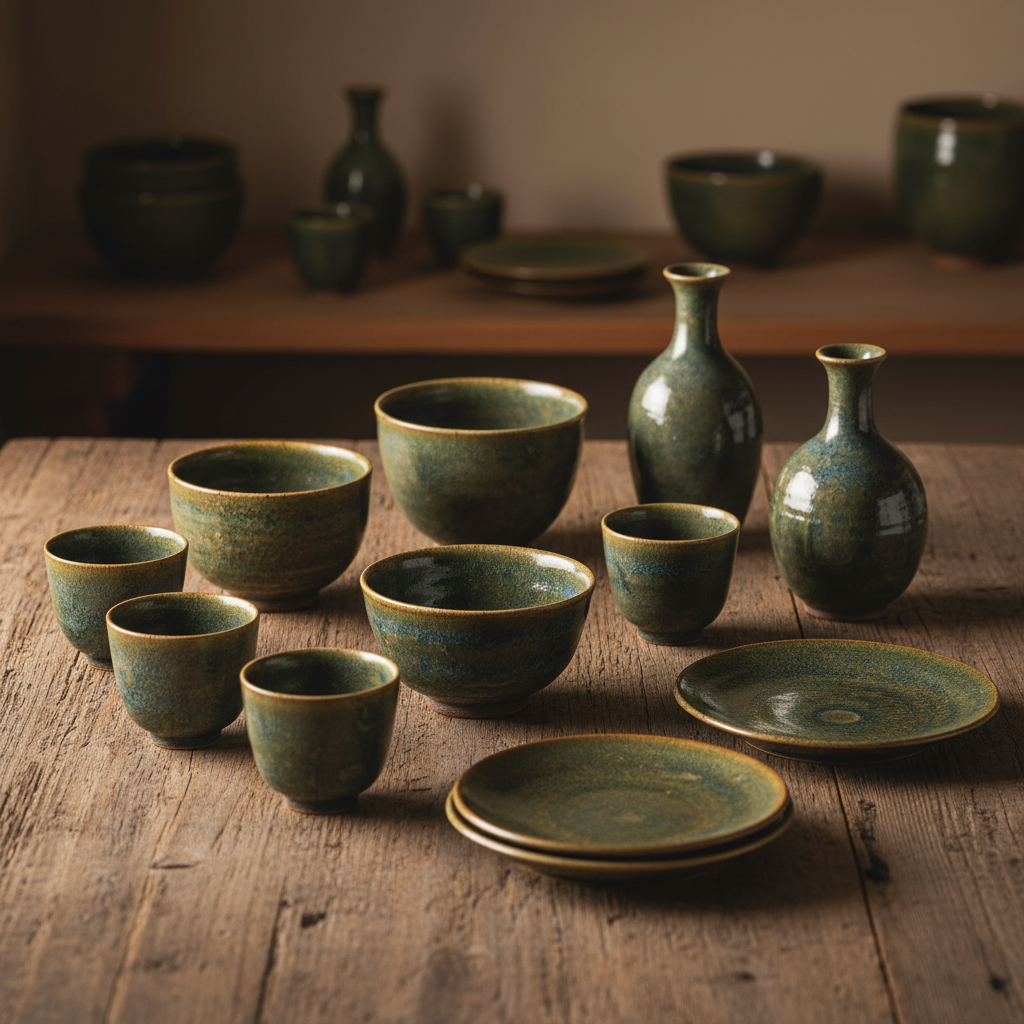
Shibukusa ware emphasizes practicality, and many works are created as everyday tableware. A variety of vessels used at the dining table are available, including rice bowls, tea cups, serving bowls, and dishes.
The warmth of hand craftsmanship and beautiful painting enrich daily meals. As durable, easy-to-use tableware that can be cherished for years, it is popular.
Tea Ceremony Utensils
Tea bowls, water vessels, and other implements used in tea ceremony are also manufactured. Shibukusa ware tea bowls, combining simplicity that evokes the Hida climate with refined elegance, are also appreciated by tea practitioners.
Flower Vessels and Decorative Items
Vases, jars, and other ornamental works comprise an important category of Shibukusa ware. Flower vessels decorated with lavish Hida red painting or Hida Kutani possess value as art pieces that adorn interior spaces.
Gifts and Commemorative Items
Shibukusa ware, combining the value of a traditional craft with practicality, is popular as gifts and commemorative items. It is frequently chosen as a gift for life milestones such as weddings, housewarming celebrations, and sixtieth birthday celebrations.
As a standard souvenir in Hida Takayama, it is often purchased by tourists as a memento of their travels.
Purchasing Methods and Appreciation of Shibukusa Ware
Purchasing in Takayama City
The most reliable way to purchase Shibukusa ware is to visit kiln sites directly in Takayama City. Kiln operators such as Hokokusha have sales shops attached to their workshops where you can purchase works.
Being able to physically handle and confirm the texture, weight, and design allows you to select vessels that suit you. You can also hear directly from artisans, deepening your understanding of the works.
Souvenir and Craft Shops in Takayama City
Many souvenir and craft shops in the historic town district of Takayama City stock Shibukusa ware. You can purchase pieces while sightseeing.
Online Purchasing
Some kiln operators and craft goods sales sites offer online sales. Even for those living far away and unable to visit directly, it is possible to purchase Shibukusa ware via the Internet.
However, since hand-crafted items have limited inventory and the impression may differ from photographs, it is recommended to confirm details before purchasing.
Exhibitions and Events
Shibukusa ware may be featured at craft exhibitions and traditional craft fairs throughout Gifu Prefecture and across the country. At such events, artisans may exhibit directly, explaining and selling their works.
The Appeal and Value of Shibukusa Ware
Historical Value
Shibukusa ware, with a history spanning over 180 years, is a precious cultural heritage that conveys the history of industrial policy and technical exchange from the late Edo period to the present. The unique circumstances of its opening by the district administrator and the history of technology introduction from Seto and Kutani present an interesting case in the history of Japanese ceramics.
Cultural Value
Shibukusa ware, nurtured in the unique cultural sphere of Hida Takayama, is a craft reflecting the region’s history and natural environment. The nature, climate, and people’s livelihoods of Hida are expressed in the works, making it an important bearer of regional culture.
Artistic Value
Shibukusa ware possesses artistic value as well, with beautiful decoration through hand painting, refined form, and unique coloration. In particular, Hida red painting and Hida Kutani works are highly evaluated for their beautiful colors and skillful composition.
Practical Value
While a traditional craft, Shibukusa ware possesses durability and functionality premised on everyday use, making it highly practical. Not only beautiful but also easy to use and able to be cherished for years, it blends well with contemporary living.
Comparison of Shibukusa Ware with Other Gifu Prefecture Ceramics
Differences from Mino Ware
When speaking of Gifu Prefecture’s representative ceramics, Mino ware comes to mind, but it differs from Shibukusa ware in many respects.
Production Region: Mino ware is produced in the Tono region (Tajimi City, Toki City, Mizunami City, etc.), while Shibukusa ware is produced in Takayama City in the Hida region.
Production Scale: Mino ware is Japan’s largest ceramic production area and engages in mass production, while Shibukusa ware is small-scale production by a few kiln operators.
Characteristics: Mino ware is said to have “lack of characteristics as its characteristic,” featuring diverse styles, while Shibukusa ware maintains distinctive styles such as Hida red painting and Shibukusa style.
History: Mino ware has a long history continuing from the Heian period, while Shibukusa ware dates from the late Edo period opening.
Other Gifu Prefecture Ceramics
Gifu Prefecture has several small-scale ceramic production areas besides Mino ware, and Shibukusa ware is one of only a few designated as a folk craft. Development in the geographically independent Hida region has been a factor in maintaining its uniqueness.
Tourism Surrounding Shibukusa Ware
Visiting Kiln Sites in Takayama City
When visiting Hida Takayama, visiting Shibukusa ware kiln sites is recommended. Kiln operators such as Hokokusha allow for workshop viewing and work purchases (advance reservations may be required).
Observing artisans at work firsthand allows you to appreciate the high skill of hand craftsmanship and hand painting. Also, hearing explanations of the manufacturing process deepens understanding and affection for the works.
Combination with Takayama City Tourist Attractions
Takayama City, known as the “Small Kyoto of Hida,” is a tourist destination with many points of interest including historic streetscapes, the Takayama Government House, morning markets, and the Hida Folk Village. Combining visits to Shibukusa ware kilns with these tourist attractions allows for a fulfilling travel experience.
Visiting during the Takayama Festival (spring Sanno Festival, autumn Hachiman Festival) allows you to experience both traditional festivals and crafts.
Experience of Hida Regional Craft Culture
Besides Shibukusa ware, the Hida region boasts excellent traditional crafts such as Ichii-hitotsuori (single-stroke carving), Hida Shunkei lacquerware, and Hida furniture. Experiencing these together provides comprehensive understanding of the richness of Hida craft culture.
The Future and Challenges of Shibukusa Ware
Efforts in Training Successors
Like many traditional crafts, Shibukusa ware faces the challenge of successor shortage. Mastering ceramic manufacturing techniques requires many years, and it is not easy for younger generations to choose the artisan path.
Currently, kiln operators are making efforts to nurture apprentices and conduct technical seminars to pass techniques to the next generation. Activities are also being conducted in cooperation with regional educational institutions to convey the appeal of traditional crafts to children.
Issues with Raw Material Procurement
Shibukusa ware, which has used local materials such as Shibukusa pottery stone, now faces challenges in stably securing raw materials due to changing circumstances at mining sites. Research into alternative raw materials and procurement from other regions are also being considered.
Response to Contemporary Needs
While maintaining tradition, there is a demand for product development suited to contemporary lifestyles and preferences. New attempts are beginning, including tableware compatible with microwave ovens and dishwashers and works with modern designs.
How to incorporate contemporary qualities while preserving traditional techniques and aesthetic sensibilities is an important issue for Shibukusa ware’s future development.
Information Dissemination and Branding
Efforts continue to raise awareness of Shibukusa ware through the use of the Internet and social media. While Shibukusa ware has lower recognition compared to Mino ware, it is important for more people to learn of its unique qualities and high quality.
Branding efforts coordinated with Takayama City’s tourism resources and information dissemination with narrative elements are expected to effectively convey the value of Shibukusa ware.
Expansion into Foreign Markets
Growing international interest in Japanese traditional crafts also presents new possibilities for Shibukusa ware. As a hand-crafted and hand-painted product embodying the value of Japanese local culture, it has elements that can appeal to overseas collectors and enthusiasts.
Promoting sales to inbound tourists and exhibiting at international craft fairs are also possible future developments.
Conclusion
Shibukusa ware is a traditional ceramic ware continuing from the late Edo period in Takayama City, Gifu Prefecture. With a historical background of opening by Hida district administrator Toyoda Tomosuke, technology introduction from Seto and Kutani, and the use of local Shibukusa stone, it has established distinctive styles including Hida red painting, Hida Kutani, and Shibukusa style.
A small number of kiln operators continue to maintain the hand-crafted and hand-painted tradition, producing works one by one with careful attention. With a wide range of products from everyday tableware to art pieces, it is valued as a pottery combining practicality and beauty.
While facing challenges such as training successors and securing raw materials, efforts continue to preserve tradition while responding to contemporary needs. As an important bearer of regional culture nurtured in the appealing tourist destination of Hida Takayama, Shibukusa ware will continue to be cherished by many people.
Should you have the opportunity to visit Hida Takayama, by all means visit a Shibukusa ware kiln site and directly experience the artisans’ skill and the beauty of the works. Each hand-crafted vessel embodies over 180 years of history and the artisans’ thoughts.