What is Suzu Ware? A Comprehensive Explanation of the History and Characteristics of a Ceramic Production Center Boasted by Noto Peninsula, Ishikawa Prefecture
What is Suzu Ware (Suzuyaki)?
Suzu ware is a ceramic produced in Suzu City, located at the tip of the Noto Peninsula in Ishikawa Prefecture. Produced from the late 12th century (late Heian period) through the late 15th century (late Muromachi period), it is known as one of the representative ceramics of medieval Japan.
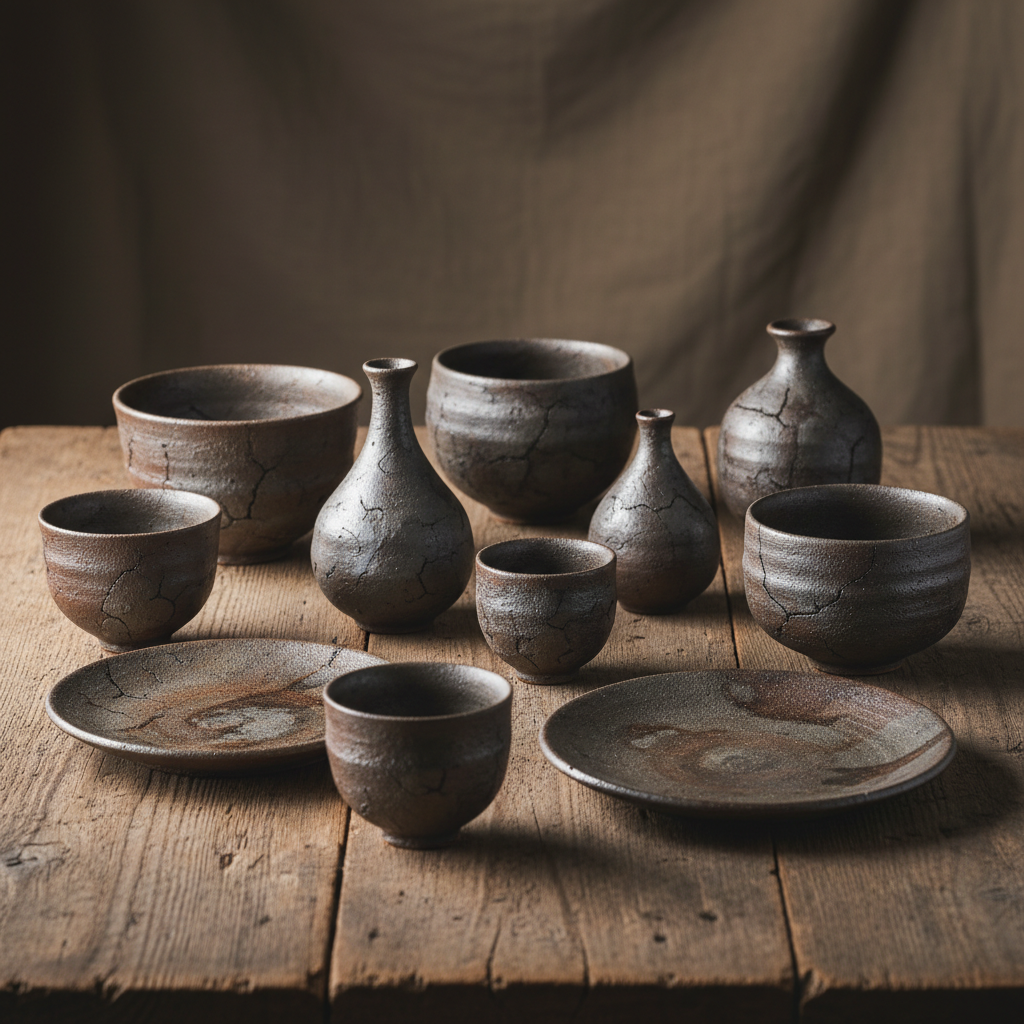
The greatest characteristic of Suzu ware lies in its unique manufacturing method called “unglazed firing,” in which pieces are fired at high temperatures without using glaze. The deep ash-black beauty created by this technique possesses a unique charm not found in other Japanese ceramic production centers. In the classification of earthenware, porcelain, and stoneware, Suzu ware is classified as stoneware and has been designated as a Ishikawa Prefecture designated traditional craft.
Called the “phantom ancient pottery” because it mysteriously disappeared approximately 400 years ago, Suzu ware experienced a revival in 1976 (Showa 51) through the efforts of Suzu City, and the tradition continues to be passed down by many ceramicists in modern times.
History of Suzu Ware
Medieval Suzu Ware – The Age of Prosperity
The history of Suzu ware dates back to the middle of the 12th century (late Heian period). Taking advantage of the geographical conditions at the tip of the Noto Peninsula, it was widely distributed throughout the Sea of Japan coastal region from southern Hokkaido to Fukui Prefecture through maritime transport via kitamae-bune (northern trade ships).
Suzu ware from this period inherited the techniques of Sue ware fired from the Kofun through Heian periods and boasted advanced firing technology. As one of the major ceramic production centers in medieval Japan, it was mentioned alongside Tokoname ware and other notable centers.
The land of Suzu was blessed with high-quality clay rich in iron content, and the surrounding forests provided abundant firewood as fuel. This natural environment became the foundation for producing Suzu ware’s distinctive ash-black color.
Reasons for Becoming Phantom Ancient Pottery
In the late 15th century, during the late Muromachi period, Suzu ware suddenly disappeared. While it is believed that production ceased due to the chaos of the Sengoku period, the exact reasons remain incompletely understood to this day. This blank period of approximately 400 years transformed Suzu ware into what is called “phantom ancient pottery.”
For a long time, the existence of Suzu ware was forgotten, but as archaeological investigations progressed during the Showa period, its value came to be re-recognized.
Modern Suzu Ware – Revival and Development
In the late Showa period, through the efforts of local residents and researchers, a Suzu ware revival project was launched. In 1976 (Showa 51), Suzu City undertook a full-scale revival effort, clarifying medieval production methods through excavation surveys of old kiln sites and literary research.
In 1989, it received designation as an Ishikawa Prefecture designated traditional craft, and modern Suzu ware began writing a new chapter as an officially recognized traditional craft. Currently, centered around Suzu City and the former Uraura Town area, many kiln operators and ceramicists are active, creating diverse works that preserve traditional techniques while incorporating contemporary sensibilities.
Manufacturing Methods and Characteristics of Suzu Ware
The Unique Manufacturing Method “Reduction Flame Smoking Firing”
Suzu ware’s manufacturing method is called “reduction flame smoking firing (kangen’en kusubeaki).” This method includes the following processes.
Forming Process
The shape of the vessel is created using a traditional technique called “coil building,” in which clay coils are wound upward. Subsequently, the clay is beaten and compressed using beating boards and anvils, making the clay dense and increasing its strength. Through this beating and compressing process, Suzu ware’s characteristic orderly texture is created.
Drying Process
The formed vessel is left to dry naturally. Adjustment of drying time suited to Suzu’s climate and land characteristics prevents cracking and achieves a beautiful finish.
Firing Process
The pieces are fired at temperatures exceeding 1200 degrees Celsius using an anagama (tunnel kiln). During this process, “reduction firing,” which restricts the supply of oxygen, is performed, causing the iron to become carbonized and creating the distinctive ash-black color. Smoking firing refers to the technique of firing as if smoking with flames, with ash from the firewood melting and falling onto the vessel’s surface as a natural glaze.
The Secret of the Ash-Black Beauty
The deep ash-black color, which is symbolic of Suzu ware, is created through a combination of multiple elements.
- Iron-Rich Clay: The clay excavated from Suzu’s land contains abundant iron, which changes through high-temperature firing to create the black foundation.
- Reduction Firing: Firing in an oxygen-restricted environment causes iron to be reduced from ferric oxide, resulting in a deeper black color.
- Natural Glaze: Ash created through firewood combustion melts at high temperature and falls onto the vessel’s surface, becoming a natural glaze. This natural glaze creates a subtle and unique sheen and color variation.
Characteristics as Stoneware
Suzu ware is classified as “stoneware (sekki),” which occupies a middle position between earthenware and porcelain. Because stoneware is fired at temperatures exceeding 1200 degrees, it is harder and more dense than earthenware, and has low water absorption. Through these characteristics, Suzu ware is evaluated as a vessel that combines both practicality and artistry.
Types and Uses of Suzu Ware
Vessel Types of Medieval Suzu Ware
Various types of vessels were produced in medieval Suzu ware. The main ones include the following:
- Jars (kame): Large containers used for storing grain and liquids
- Vases (tsubo): Available in various sizes, used for storage and transportation
- Graters (suribachi): Widely used as cooking implements, characterized by combed marks on the interior
- Bowls (hachi): Served multiple purposes as tableware and cooking implements
These were primarily practical vessels used in daily life, but their simple and powerful forms are recognized as having high artistic value in modern times.
Diverse Works of Modern Suzu Ware
Modern Suzu ware, following its revival, creates diverse works based on traditional techniques while adapting to contemporary lifestyles and aesthetics.
- Tea Implements: Tea bowls, tea containers, water vessels, and other refined works as tea ceremony implements
- Sake Vessels: Sake bottles, sake cups, and pouring vessels for enjoying Japanese sake
- Flower Vessels: Vases, flower containers, and other works suited for flower arrangement and single-flower displays
- Tableware: Plates, bowls, cups, and other vessels suitable for daily use
- Ornaments: Art works as interior decorations
While contemporary Suzu ware uses the traditional ash-black color as its foundation, it creates various color and texture variations by changing firing methods and clay composition. Each artist’s individuality is reflected in the works produced, and Suzu ware continues to transmit new charm as contemporary ceramics.
Ceramic Production Centers of Ishikawa Prefecture and Suzu Ware
Differences from Kutani Ware
In addition to Suzu ware, Ishikawa Prefecture has another ceramic production center known internationally: Kutani ware. Although both are produced within Ishikawa Prefecture, they possess completely different characteristics.
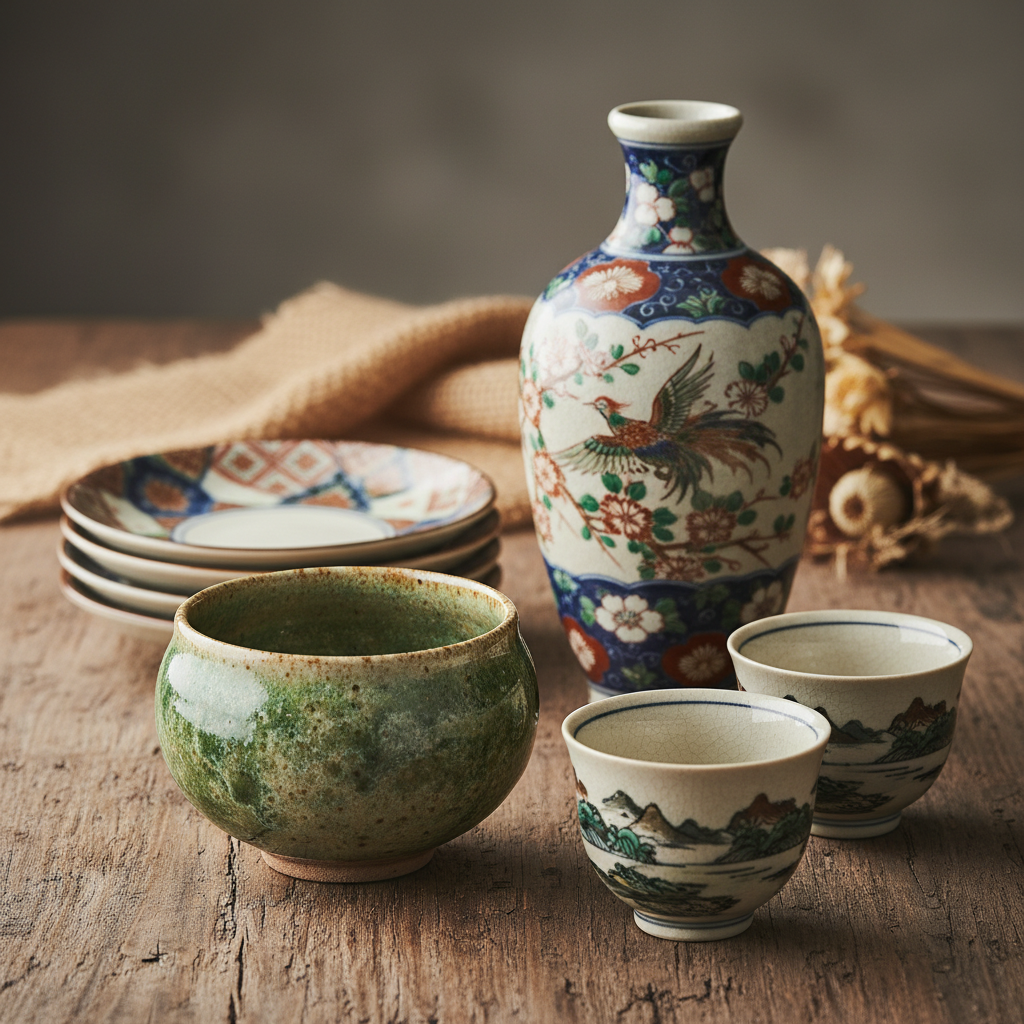
Kutani ware is a colored-decorated porcelain born approximately 340 years ago in the present-day Kaga City (former Yamada Town). It is characterized by vibrant and bold overglaze decoration, with the distinctive bright colors of “Kutani’s five colors” (red, yellow, green, purple, and cobalt blue) as hallmarks. As a nationally designated traditional craft, it pursues elaborate decorative beauty.
In contrast, Suzu ware is characterized by the simple ash-black color of unglazed firing, emphasizing natural beauty free of decoration. While Kutani ware is the “beauty of color,” Suzu ware embodies the “beauty of simplicity and subtlety.”
The coexistence of these two contrasting ceramic production centers allows Ishikawa Prefecture to occupy a unique position as a region with diverse ceramic culture.
Positioning of Suzu Ware in Medieval Japanese Ceramics
Medieval Japan had multiple major ceramic production centers besides Suzu ware. The centers of Tokoname ware in Aichi Prefecture, Setoyaki, Echizen ware in Fukui Prefecture, Tamba ware in Hyogo Prefecture, and Bizen ware in Okayama Prefecture are known as the “Six Medieval Kilns.”
Suzu ware, standing alongside these centers, was a major medieval ceramic production center, particularly handling broad distribution throughout the Sea of Japan region. Its techniques strongly retaining the Sue ware tradition, unique beauty through unglazed firing, and extensive distribution networks via kitamae-bune ships made Suzu ware a distinct presence unlike other production centers.
Suzu Ware Museum – Learning History and Culture
Suzu City in Ishikawa Prefecture is home to the Suzu Ware Museum, where one can deeply learn about the history and culture of Suzu ware.
The museum displays numerous medieval Suzu ware pieces excavated through archaeological surveys, allowing visitors to understand the changes and varieties from the 12th to 15th centuries through actual objects. Modern Suzu ware works created after the revival are also displayed, allowing visitors to see how traditional techniques are being inherited in contemporary times.
The museum features abundant exhibits, including models of kiln sites and explanatory panels about the manufacturing process, providing visual understanding of Suzu ware’s production methods. For those interested in Suzu ware, it is an essential facility.
The Charm of Suzu Ware – Domestic and International Evaluation
Attention from Abroad
In recent years, Suzu ware has received high evaluation from ceramic enthusiasts and collectors abroad. Particularly, people from Western countries are strongly attracted to unglazed black vessels not found in other Japanese ceramic centers and the simple beauty that evokes the feeling of nature.
The beauty created solely through natural elements—soil, fire, and ash—without glaze decoration resonates with the contemporary aesthetic sense of “Less is more,” and Suzu ware is also gaining attention in the international contemporary ceramic scene.
Harmony with Japanese Aesthetic Sensibility
The subdued, beautiful ash-black color of Suzu ware is deeply connected to “wabi-sabi,” the spiritual essence of traditional Japanese aesthetic sense. The attitude of eschewing flashy decoration and bringing out the beauty of materials themselves has long been highly valued in the world of tea ceremony.
In contemporary times, the serene beauty of Suzu ware holds great appeal for people seeking simple and refined lifestyles. Whether as everyday-use vessels or as art works for appreciation, Suzu ware provides diverse value.
Suzu Ware and the Noto Peninsula Earthquake
Impact of the 2024 Noto Peninsula Earthquake
The 2024 Noto Peninsula earthquake that occurred on January 1, 2024, inflicted severe damage on Suzu City. Many kiln operators and workshops were damaged, with losses including kiln and equipment destruction and damage to works, causing serious impacts on Suzu ware production activities.
The Suzu Ware Museum was also damaged, with some precious collection items sustaining injuries—a major blow to Suzu ware as cultural property.
Steps Toward Reconstruction
Despite difficult circumstances, Suzu ware artists have begun taking powerful steps toward revival. With support from local communities and supporters throughout the nation, repairs to kilns and reconstruction of workshops are progressing.
The history of Suzu ware, which once ceased production about 500 years ago yet achieved revival, serves as great encouragement to contemporary artists. The tradition of Suzu ware, which has overcome numerous difficulties, is believed to rise again from this disaster.
The circle of support has expanded domestically and internationally, with movements to support revival through purchasing Suzu ware works and crowdfunding support projects being developed.
The Future of Suzu Ware
Inheritance and Innovation of Tradition
Modern Suzu ware pursues the possibility of new expression while preserving traditional techniques from medieval times. Young ceramicists are also moving to the Suzu area, learning tradition while reflecting their own sensibilities in their works.
While maintaining fundamental manufacturing methods such as strong reduction flame firing and smoking firing, contemporary design sense is being incorporated into form and design. This balance between tradition and innovation continues to develop Suzu ware as a living craft.
Sustainability as a Production Center
Suzu ware is defined as being manufactured in a limited region—Suzu City and the former Uraura Town area—using clay primarily excavated from this region. Building a sustainable production system while preserving this regional character is a future challenge.
The conservation of local clay resources, stable supply of firewood as fuel, and most importantly, the cultivation of personnel to inherit techniques are critical. Suzu City has also established support systems for those aspiring to become ceramicists, with initiatives advancing with an eye toward the region’s future.
International Promotion
The unique beauty and historical value of Suzu ware have sufficient appeal to be recognized internationally. In the future, it is expected that awareness of Suzu ware will be further raised through exhibitions at international art museums and galleries and participation in international ceramic fairs.
Digital technology-based information dissemination and online sales of works are becoming new means of delivering Suzu ware to ceramic enthusiasts worldwide.
Conclusion
Suzu ware, produced in Suzu City on the Noto Peninsula in Ishikawa Prefecture, holds a special position in Japan’s ceramic history. Its history as a “phantom ancient pottery” that flourished as a representative ceramic production center of medieval Japan from the late 12th through late 15th centuries, experienced a blank period of approximately 400 years, and achieved revival in the late Showa period is unparalleled.
The ash-black beauty created through the unique manufacturing method of reduction flame smoking firing without glaze embodies the Japanese aesthetic of wabi-sabi and receives high evaluation domestically and internationally. Suzu ware is filled with numerous charms, including techniques inheriting Sue ware traditions, iron-rich clay from Suzu, and characteristics as stoneware through high-temperature firing.
Even facing the challenge of the 2024 Noto Peninsula earthquake, Suzu ware artists are progressing toward reconstruction. As its history of once ceasing production yet achieving revival demonstrates, Suzu ware will surely rise again and transmit its beauty to the future.
When visiting Ishikawa Prefecture, be sure to extend your journey to Suzu City, learn its history at the Suzu Ware Museum, and experience works created by contemporary artists. You will surely directly feel the charm of Suzu ware, passed down across a thousand years.