Complete Guide to Kirikome Ware (きりごめやき) | History and Characteristics of the Phantom Ceramic Production Site Boasted by Kami Town, Miyagi Prefecture
What is Kirikome Ware?
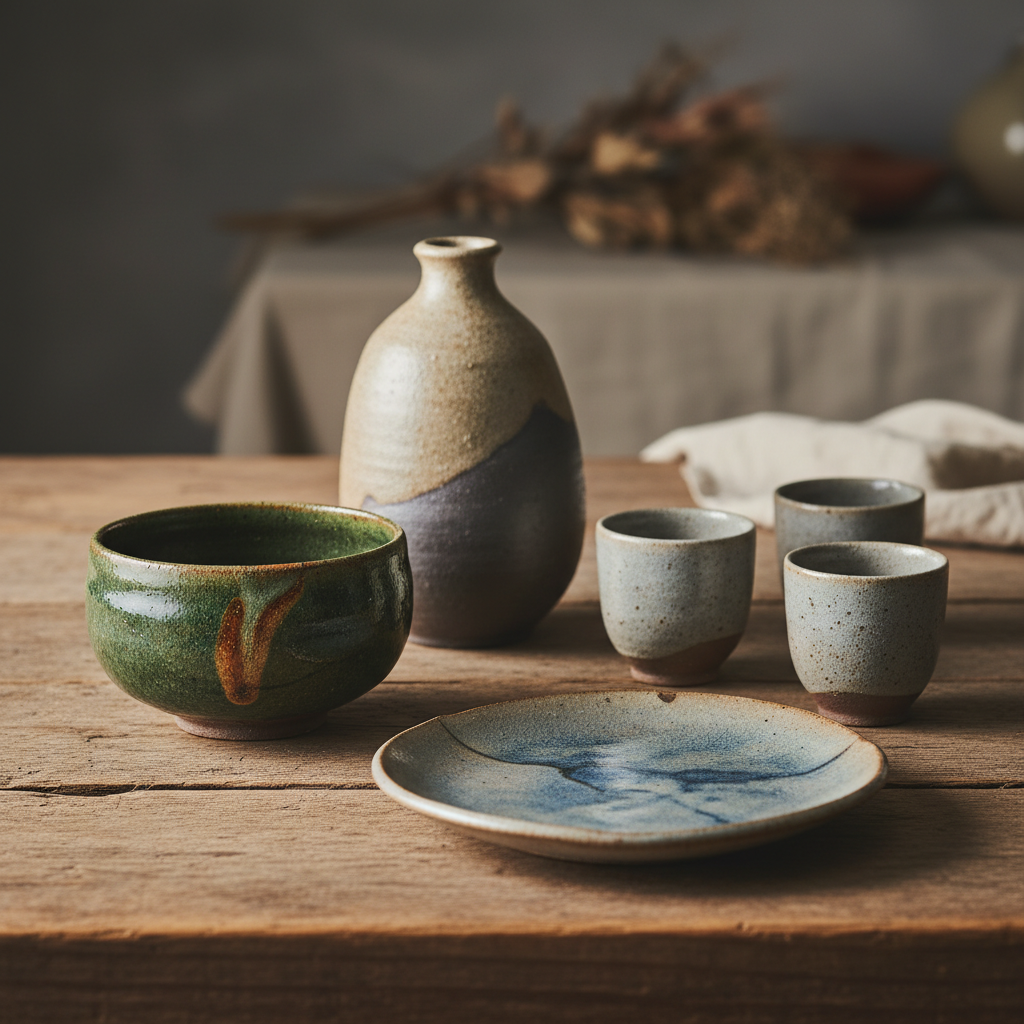
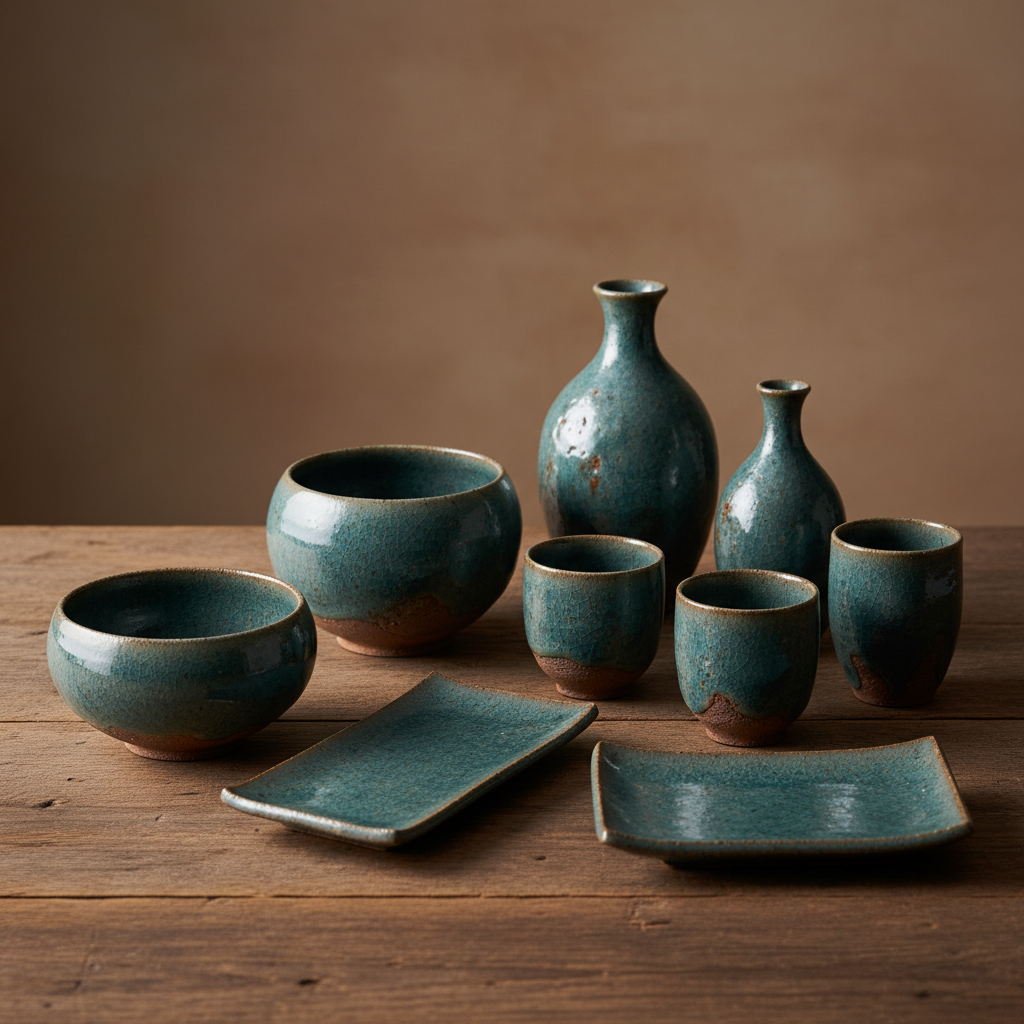
Kirikome ware (きりごめやき) is ceramics produced in the Kirikome district of Kami Town (formerly Miyazaki Town), Kami District, Miyagi Prefecture. Manufactured from the late Edo period through the early Meiji period, it was a porcelain with cobalt blue patterns painted on a white background and was beloved by many people as simple and warm-hearted tableware.
The Kirikome district, located at the foot of Mount Yakurai, known as Kami Fuji, was blessed with high-quality pottery stone and abundant fuel, making it ideal for ceramic production. As an official kiln of the Date clan, it produced high-quality tribute items, while simultaneously mass-producing everyday wares for common people—a major characteristic of Kirikome ware.
Currently, Kirikome ware is designated as a traditional craft of Miyagi Prefecture. The technique, once interrupted, has been revived in modern times and continues to be produced by craftspeople carrying on its traditions.
History and Founding of Kirikome Ware
Mysteries and Various Theories of the Founding Period
The founding of Kirikome ware is shrouded in mystery due to the lack of definitive historical documents. Although several theories exist, the most credible is that it was founded during the era of feudal lord Date Masamune by a certain Kamata of Kirikome Village in Kami District (present-day Kirikome, Kami Town) in what is now the Kita Sanbancho district of Sendai City.
Pottery workers were reportedly invited from Arita in Hizen to build a kiln, and the introduction of Imari ware techniques became the technical foundation of Kirikome ware. Based on ancient documents and makers’ marks on transmitted pieces, the kiln opening is thought to date to around the Tenpō era (1830–1844) at the latest, with the oldest dated artifact—an “Underglaze Blue Pomegranate-Patterned Tea Bowl”—attributed to 1835 (Tenpō 6).
Prosperity of the Peak Period
The height of Kirikome ware was during the Kaei and Ansei eras (1848–1860), the late Edo period. During this time, five kiln sites were built at the bases of mountains called Nishiyama, Nakayama, and Higashiyama, with active production taking place.
Products were broadly divided into two categories: tribute items (goyōhin) presented to the Date clan and everyday rough pottery (zatsuseto). Diverse vessel types including tea wares, plates, sake bottles, braziers, and flower vases were produced. Under the clan’s patronage, highly skilled craftspeople gathered to create fine-quality porcelain.
Discontinuation in the Meiji Period and Modern Revival
The social structural changes brought by the Meiji Restoration greatly affected Kirikome ware. With the collapse of the feudal clan system, the demand for official kiln products disappeared, and with the influx of inexpensive mass-produced goods through modernization, Kirikome ware was discontinued in the early Meiji period.
However, the cultural value of Kirikome ware as a regional cultural property was later recognized, and revival efforts began in the post-Showa period. Today, the tradition has been revived in the Kirikome district of Kami Town, and production continues at kilns including Miura Pottery Studio. Contemporary craftspeople study old techniques while creating wares suited to modern lifestyles.
Characteristics and Appeal of Kirikome Ware
Diverse Techniques Centered on Underglaze Blue Painting
The greatest characteristic of Kirikome ware is the technique of painting blue patterns (cobalt oxide) on a white porcelain ground. Underglaze blue is a representative decorative technique in porcelain production, where patterns are painted with pigment containing cobalt oxide on bisque-fired ware, then covered with transparent glaze and fired at high temperature, bringing out beautiful blue patterns.
In addition to underglaze blue, Kirikome ware employed the following diverse techniques:
- White porcelain: Wares showcasing pure white beauty
- Lapis lazuli glaze: Deep blue glaze applied across the entire surface
- Iron sand glaze: Glaze containing iron for subdued coloring
- Three-color glaze: Vibrant decoration using multiple colored glazes
These techniques enabled diverse expression according to purpose and preference.
Simple and Warm-Hearted Decoration
The decoration of Kirikome ware is often simple and rustic, conveying a sense of wabi-sabi—a major source of its appeal. Unlike the precise and ornate painting of Arita ware or Kutani ware, Kirikome ware is characterized by fluid and free brushwork.
Patterns include grasses, flowers, birds, and geometric designs, with many approachable designs suitable for everyday use. The subtle variations from hand-craftsmanship and the unique character of each piece create a warm feeling for those who use them.
The Dual Nature of Tribute Goods and Everyday Wares
What distinguishes Kirikome ware from other production sites is its interesting characteristic of producing both high-grade tribute items and practical everyday wares for common people.
Tribute items—fine tea wares and flower vessels made for presentation to the feudal lord and upper-ranking samurai—represented the culmination of technical excellence. Everyday wares—plates, bowls, sake bottles used by common people—were mass-produced and offered at affordable prices.
This duality allowed Kirikome ware to be accepted by a broad social spectrum, becoming deeply rooted in the region’s daily life and culture.
Manufacturing Process of Kirikome Ware
Extraction and Blending of Raw Materials
The primary raw material for Kirikome ware is pottery stone extracted locally. The geological conditions around Mount Yakurai produced high-quality pottery stone, which became a factor in creating Kirikome ware’s unique character.
Pottery stone was crushed and refined through a water-processing (suihi) step to remove impurities, becoming refined pottery clay. The blending of this clay and its aging period greatly influenced the quality of the fired product.
Forming Process
Kirikome ware was formed primarily using the potter’s wheel (rokuro seikeiki). An archaeological excavation conducted by the Tohoku University Department of Archaeology in 1975 at the Nishiyama workshop site unearthed numerous wheel tools, confirming the widespread use of wheel techniques.
Craftspeople shaped the clay on the rotating wheel using their hands and tools, creating various forms according to purpose—bowls, plates, sake bottles, and more.
Bisque Firing and Decoration
After the formed ware was thoroughly dried, it was first bisque-fired. Bisque firing at a lower temperature (approximately 800–900 degrees Celsius) than the final firing strengthened the ware and made it easier for decoration and glazing.
After bisque firing, for underglaze blue, decoration was applied using pigment called gosu (cobalt blue). The brushwork required high technical skill, and this stage was where the craftsperson’s individuality was most evident.
Glazing and Final Firing
After decoration, transparent or colored glaze was applied to the ware. Glaze was applied uniformly across the entire piece, creating a beautiful glass-like surface after firing.
Final firing was conducted at approximately 1300 degrees Celsius, causing the pottery clay to vitrify while the glaze melted and became integral to the piece. Temperature control and firing time in the kiln were adjusted based on long years of experience and intuition, determining the beauty of the final product.
After removal from the kiln and inspection, the piece was complete. Archaeological excavations have unearthed numerous kiln tools and defective fragments, revealing that rigorous quality control was exercised.
Principal Products and Uses
Tea Wares
Representative products of Kirikome ware include tea bowls, teacups, and teapots. Tribute items in particular were characterized by simple, dignified forms befitting the spirit of the tea ceremony.
Underglaze blue tea bowls with grass and flower patterns or geometric designs were loved by tea ceremony practitioners for their character that deepened with use.
Tableware
Plates, bowls, and basins were mass-produced as everyday tableware. These practical vessels for the common table emphasized durability and ease of use.
Underglaze blue plates featured simple patterns in the center or continuous patterns along the rim, showing care taken to enhance daily dining.
Sake Vessels and Flower Vases
Sake vessels such as sake bottles and cups were important Kirikome ware products. Sake bottles in particular were widely used for enjoying local sake, produced in various shapes and designs.
Flower vessels (vases and flower holders) were also extensively produced for arranging flowers in tea ceremony settings. Their simple forms were appreciated for enhancing the beauty of flowers.
Other Products
Braziers, incense burners, writing implements, and vessels for various life situations were also produced. These served not only practical functions but also decorative roles in interior spaces.
Positioning as a Ceramic Production Site in Miyagi Prefecture
Three Major Wares of Miyagi Prefecture
Besides Kirikome ware, Miyagi Prefecture has two other representative ceramics: Tsutsumi ware (つつみやき) and Daigamori ware (だいがもりやき).
Tsutsumi ware is pottery that has continued since the early Edo period in Tsutsumi Town, Sendai City, characterized by black glaze. Centered on everyday utility wares, it remains carried on by multiple kilns today.
Daigamori ware is pottery born in Shiraishi City, also known for a unique acoustic ceramic instrument called “Bakayaki-jime” with distinctive sound properties. The geological conditions affecting the clay create pottery with a distinctive character that is highly valued.
These three wares, each with distinct characteristics, have formed the ceramic culture of Miyagi Prefecture.
Uniqueness of Kirikome Ware in the Tohoku Region
Among Tohoku region ceramic production sites, Kirikome ware is unique in being primarily porcelain. While most Tohoku kilns focused on pottery production, Kirikome ware introduced Arita ware techniques and engaged in full-scale porcelain production.
This resulted from multiple converging conditions: the availability of high-quality pottery stone locally, strong clan support, and the ability to invite skilled ceramic workers. As a pioneering venture in porcelain production in Tohoku, it holds an important place in ceramic history.
Archaeological Excavations and Research of Kiln Sites
Excavation Survey by Tohoku University
In 1975, a full-scale excavation survey was conducted at the Nishiyama workshop site by the Tohoku University Department of Archaeology. This survey scientifically clarified the actual production methods of Kirikome ware.
The survey unearthed numerous wheel tools, kiln tools, porcelain, bisque-fired products, and small quantities of pottery fragments. These finds provided valuable information about forming techniques, firing methods, product types, and production scale.
In particular, analysis of kiln tools clarified details of kiln structure and firing technology, confirming the high technical level of the period.
Distribution of Five Kiln Sites
Five kiln sites have been discovered in the Kirikome district at the bases of mountains called Nishiyama, Nakayama, and Higashiyama. The distribution of these kiln sites reveals that Kirikome ware was produced on a considerable scale.
Differences in location conditions and structure among the various kilns are thought to reflect differences in product types and firing methods, with the possibility that separate kilns were used for tribute goods and everyday wares.
Modern Revival and Succession of Kirikome Ware
Designation as a Traditional Craft
Kirikome ware has been designated as a traditional craft of Miyagi Prefecture, with its historical and cultural value recognized. This designation provides support for preserving and transmitting traditional techniques and cultivating successors.
The designation date and specific classification are managed as official information of Miyagi Prefecture, positioning it as an important cultural resource of the region.
Contemporary Kilns and Craftspeople
Today, kiln studios such as Miura Pottery Studio in the Kirikome district of Kami Town continue producing Kirikome ware. While researching old techniques and respecting tradition, they work to create wares suited to contemporary living.
Craftspeople study Edo-period works as reference while transmitting the appeal of simple, warm-hearted Kirikome ware to the present age. While centering on underglaze blue techniques, they also explore diverse expression including white porcelain and three-color glazes.
Experience and Promotion Activities
To widely share the appeal of Kirikome ware, facilities such as the Furusato Pottery Hall offer exhibitions and pottery-making experiences. Visitors can learn the history of Kirikome ware and experience pottery firsthand, understanding its appeal directly.
Efforts to raise awareness and stimulate demand for Kirikome ware continue through regional events and exhibitions.
Viewing, Experiencing, and Purchasing Kirikome Ware
Furusato Pottery Hall (Kami Town)
Furusato Pottery Hall is a key facility for conveying the history and appeal of Kirikome ware. Works from the Edo period through early Meiji period are displayed, allowing visitors to learn about its evolution.
The facility offers pottery-making experiences where visitors can actually operate a potter’s wheel and try hand-painting, experiencing the production process of Kirikome ware. Careful guidance is provided even for beginners, making it popular with families and tourists.
Sendai City Museum
Sendai City Museum houses an excellent collection of Kirikome ware. High-quality tribute items produced as gifts to the Date clan can be appreciated alongside materials related to the clan.
In addition to permanent exhibitions, Kirikome ware is sometimes featured in special exhibitions, offering opportunities to deeply understand its historical and artistic value.
Tohoku University Comprehensive Academic Museum
Tohoku University Comprehensive Academic Museum displays materials of Kirikome ware excavated during archaeological surveys. It is a valuable facility for understanding Kirikome ware from an archaeological perspective.
The excavated items include not only finished products but also bisque-ware in progress and failed pieces, allowing visitors to realistically understand the actual production site conditions of the time.
Purchasing from Kilns
To purchase contemporary Kirikome ware, visitors can directly visit kiln studios such as Miura Pottery Studio. There is pleasure in discussing preferences directly with craftspeople while selecting a favorite piece.
Kirikome ware works are also sold at Kami Town tourism facilities and local product shops. Pieces that maintain tradition while incorporating contemporary sensibility are suitable for both everyday use and gift-giving.
Future Prospects for Kirikome Ware
Challenges in Transmitting Traditional Techniques
As Kirikome ware has a history of discontinuation, challenges remain in fully transmitting traditional techniques. Completely reproducing Edo-period methods is difficult, and contemporary craftspeople are working to restore techniques through research of old pieces and excavated materials.
Cultivating successors is also an important task. While common to traditional crafts generally, efforts to transmit skills and passion to younger generations and ensure sustainability as a production site are essential.
Creation of New Value
Beyond merely preserving tradition, creating new value suited to contemporary lifestyles is important. The simple and warm characteristics of Kirikome ware represent the appeal of handiwork that mass-produced goods cannot offer, remaining fully relevant today.
Simple, timeless design, texture that deepens with use—interpreting Kirikome ware’s unique appeal in contemporary terms and translating it into new product development is expected.
Contribution to Regional Revitalization
Kirikome ware is both an important cultural resource and tourism resource for Kami Town. Through pottery experiences and kiln tours, it has potential to increase regional visitors and contribute to local economic revitalization.
By communicating narratives connecting the region’s history and nature, conveying Kirikome ware’s appeal to broader audiences and raising its brand value as a production site is anticipated.
Conclusion
Kirikome ware is a ceramic production site that flourished in Kami Town, Miyagi Prefecture, from the late Edo period through the early Meiji period. Centered on underglaze blue painting on white porcelain, it was beloved by many as simple and warm-hearted tableware.
While producing high-quality tribute goods as the official kiln of the Date clan, it also mass-produced everyday items for common people—a duality that allowed it to be accepted by broad social strata. Though discontinued in the early Meiji period, it has been revived in modern times and become a source of regional pride as a designated traditional craft.
Supported by high-quality local pottery stone, skilled craftspeople, and regional passion, Kirikome ware will continue to serve as a representative ceramic production site of Miyagi Prefecture, conveying its appeal into the future. When visiting Kami Town, be sure to touch Kirikome ware’s world and experience its simple beauty.